
The Rising Global Demand for Sparkling Pineapple Beverages in Sleek Can Packaging
Key Takeaways
- The global market for sparkling pineapple beverages is expanding rapidly, fueled by demand for non-alcoholic, tropical, and convenient drink options.
- Sleek can packaging, particularly in the 320ml format, offers superior portability, branding potential, and sustainability appeal for modern retail and HORECA channels.
- Partnering with certified, large-scale manufacturers in regions like Vietnam provides a competitive edge in terms of quality, scalability, and OEM beverage manufacturing flexibility.
- Understanding certifications like ISO, HACCP, HALAL, and FDA is crucial for successful market entry across diverse global regions, from the Middle East to Europe and North America.
- The minimum order quantity (MOQ) and supply chain reliability are key decision factors for wholesalers and distributors building a robust beverage portfolio.
Market Dynamics: Why Sparkling Pineapple is Gaining Traction
Consumer palates are increasingly adventurous, seeking flavors that offer an escape and a taste of the exotic. Pineapple, with its balanced profile of sweetness and acidity, translates exceptionally well into sparkling formats. It provides a refreshing alternative to traditional colas and lemon-lime sodas, aligning with the broader trend of flavor exploration in the beverage aisle.
This shift is not merely about taste. It reflects a move towards perceived premiumization within the non-alcoholic segment. A product like a sparkling pineapple drink in a sleek can positions itself as a sophisticated choice for adult consumers, suitable for casual dining, outdoor events, or as a mixer in hospitality settings. The growth is evident across both established Western markets and rapidly developing economies in Asia and the Middle East.
The Strategic Advantage of Sleek Can Packaging
Packaging is no longer just a container; it's a critical marketing tool and a key driver of purchase decisions. The 320ml sleek aluminum can has become a format of choice for several compelling reasons:
- Portability and Convenience: Ideal for on-the-go consumption, single-serve portions, and vending machine sales.
- Branding Canvas: The larger surface area of a sleek can compared to a standard can allows for more impactful graphic design and brand storytelling.
- Product Preservation: Aluminum cans provide an excellent barrier against light and oxygen, ensuring the sparkling pineapple beverage flavor and carbonation are maintained throughout the product's shelf life, which can extend to 24 months.
- Sustainability Perceptions: Aluminum is highly recyclable, a factor increasingly important to environmentally conscious consumers and retailers.
For businesses, this format aligns with efficient logistics. Cans are robust, stackable, and optimize space in shipping containers, directly impacting the cost-effectiveness of global beverage export operations.
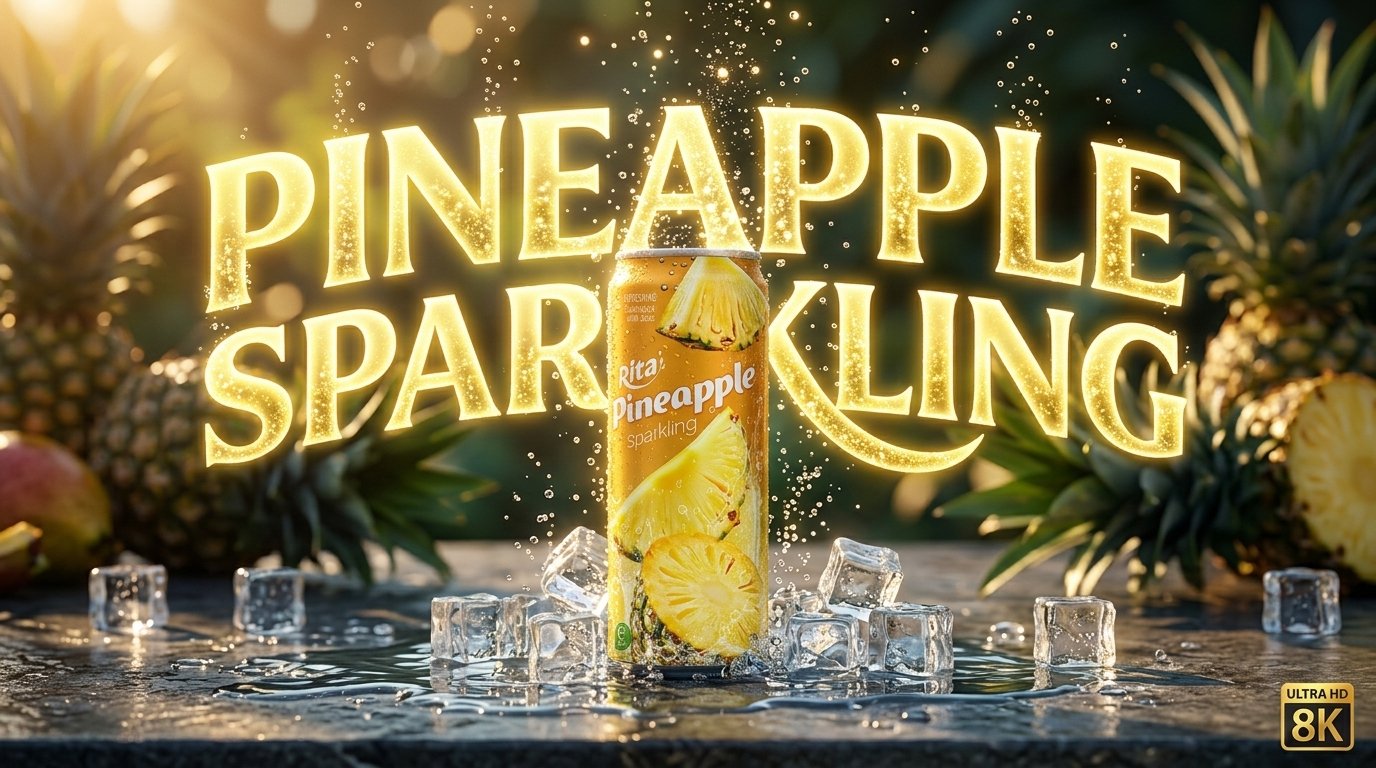
Navigating Quality and Compliance for Global Distribution
Success in international beverage trade hinges on rigorous quality standards and the right certifications. A product adorned with icons for ISO, HACCP, HALAL, and FDA compliance signals a manufacturer's commitment to safety and its capability to serve diverse markets.
These certifications are not mere badges; they are passports. HALAL certification opens doors across the Middle East and Southeast Asia. FDA compliance is a baseline for the US market. ISO and HACCP demonstrate a systematic approach to quality management that reassures B2B partners. For a distributor, sourcing from a factory holding these accreditations mitigates risk and streamlines the import process. It’s a testament to a manufacturer's dedication to producing export-ready beverage products that meet the highest global benchmarks.
Supply Chain and Sourcing Considerations for Importers
For importers and wholesalers, the technical specifications and commercial terms are as important as the product itself. Key parameters for a product like the Rita Sparkling Pineapple Drink 320ml Sleek Can include:
- Minimum Order Quantity (MOQ): An MOQ of 500 cartons represents a scalable entry point for medium to large distributors, allowing for market testing without excessive inventory risk.
- Supply Ability: A stated capacity of 600 twenty-foot containers per month indicates strong production scalability, crucial for supporting successful product launches and maintaining consistent supply.
- Lead Time and Logistics: A reliable delivery window of 20-25 days from a major port like Ho Chi Minh facilitates predictable inventory planning and supply chain management.
These factors collectively define the partnership's operational backbone. They highlight the importance of choosing a manufacturer that is not just a supplier but a strategic partner capable of growing with your business demands. Exploring a diverse fruit juice product portfolio from the same partner can also offer synergies in logistics and portfolio management.
Application in HORECA and Retail Channels
The versatility of a sparkling pineapple drink in aluminum can makes it a valuable asset across multiple channels. In the Hotel, Restaurant, and Cafe (HORECA) sector, it serves as a premium non-alcoholic option by itself, a base for creative mocktails, or a sophisticated palate-cleanser. Its single-serve, ready-to-drink format reduces preparation time and waste.
In retail, from supermarkets to convenience stores and specialty food shops, the product caters to the demand for convenient indulgence. Its shelf-stable nature (24-month shelf life) and appealing packaging make it a low-risk, high-impulse purchase item for retailers. Effective placement in chilled coolers can significantly boost sales, capitalizing on the consumer's desire for an instantly cold, refreshing beverage.
The Role of OEM and Private Label in Market Differentiation
For entrepreneurs and established brands looking to enter or expand in this category, the OEM (Original Equipment Manufacturer) and ODM (Original Design Manufacturer) model is invaluable. It allows businesses to leverage the R&D, production expertise, and certification infrastructure of a specialist manufacturer like RITA.
This approach enables rapid go-to-market strategies with custom private label beverage solutions. A brand can tailor aspects such as sweetness level, carbonation intensity, or even explore complementary flavor infusions while relying on the manufacturer for consistent, large-scale production. This model democratizes access to high-quality, innovative beverage manufacturing, allowing smaller players to compete with major brands on shelf presence and quality.
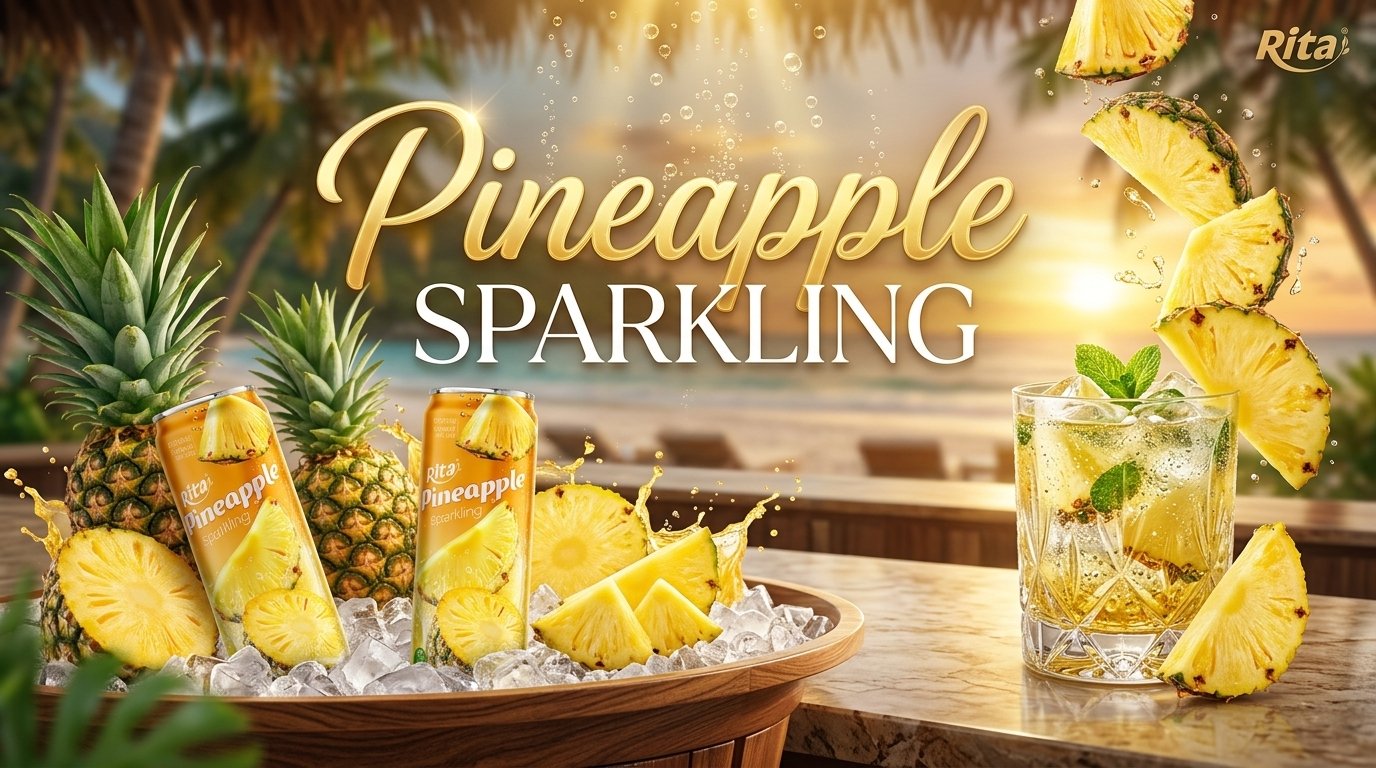
Future Outlook and Concluding Insights
The trajectory for sparkling fruit beverages, especially in consumer-friendly formats like sleek cans, points toward sustained growth. As health-conscious trends continue to evolve—focusing on ingredient transparency and natural flavors—products that deliver on taste and experience without complex health claims are well-positioned. The future may see further segmentation with low-sugar variants, organic certifications, or blends with other tropical fruits.
For business stakeholders, the opportunity lies in strategic sourcing, understanding nuanced market preferences, and leveraging flexible manufacturing partnerships. A product such as the Rita Sparkling Pineapple Drink 320ml Sleek Can exemplifies how a well-executed combination of popular flavor, modern packaging, and robust manufacturing credentials can create a compelling offering for the global market. Success will belong to those who can effectively bridge the gap between large-scale, reliable production and the tailored, brand-driven demands of today's diverse consumer base.
Frequently Asked Questions
What are the key markets for sparkling pineapple beverages?
Key markets include North America, Europe, the Middle East (particularly HALAL-conscious countries), and the Asia-Pacific region. Demand is strong in areas with a growing middle class and an appetite for premium, convenient, and tropical-flavored non-alcoholic drinks.
Why is the 320ml sleek can a popular format for this product category?
The 320ml sleek can offers an ideal single-serve portion, superior branding space, excellent product protection for carbonation and flavor, high portability, and strong sustainability credentials due to aluminum's recyclability, making it attractive to both consumers and retailers.
What should an importer look for in a manufacturer of beverages like this?
Importers should prioritize manufacturers with relevant international certifications (ISO, HACCP, HALAL, FDA), transparent MOQ and pricing terms, proven large-scale supply ability, a strong track record in global beverage export, and flexibility in offering OEM/ODM services for brand customization.
How important are certifications like HALAL and FDA for exporting beverages?
They are critical. HALAL certification is often a mandatory requirement for entering Islamic markets, while FDA compliance (or equivalence) is essential for the United States. These certifications demonstrate that the product and manufacturing process meet specific regulatory and religious standards, reducing barriers to entry.
Can the flavor or formulation of a product like this be customized for a private label?
Yes, through an ODM service partnership. Reputable manufacturers often offer custom beverage formulation services, allowing clients to adjust sweetness, acidity, carbonation level, or even develop unique flavor blends to create a differentiated product for their private label.
Newer news items:
- The Growing Appeal of Blackcurrant and Nata De Coco Drinks in Global Beverage Markets - 23/04/2026 08:32
- The Rise of Textured Beverages and Nata de Coco Drives Global F&B Innovation - 23/04/2026 08:26
- The Rising Demand for Textured Coconut Water Beverages in Global Markets - 23/04/2026 07:40
- The Strategic Rise of Bulk Natural Coconut Water in Global Foodservice and Retail - 23/04/2026 07:33
- The Rising Global Demand for Sparkling Fruit Beverages in Sleek Can Packaging - 23/04/2026 07:26
Older news items:
- The Rising Global Demand for Coconut Water with Nata de Coco and Its Business Implications - 23/04/2026 06:51
- The Strategic Rise of Bulk Natural Coconut Water in the Global Beverage Market - 23/04/2026 06:43
- The Strategic Rise of Private Label Coconut Water in the Global Beverage Market - 23/04/2026 06:36
- The Rise of Sparkling Grape Juice in Sleek Cans and the Global Beverage Market Opportunity - 23/04/2026 06:29
- The Rising Demand for Premium Sparkling Lychee Beverages in Global Markets - 23/04/2026 06:23