
The Strategic Rise of Bulk Natural Coconut Water in Global Foodservice and Retail
At the intersection of these trends lies a growing demand for versatile, natural ingredients that can be seamlessly integrated into diverse offerings. One product that exemplifies this shift is bulk-packaged natural coconut water, a category gaining substantial traction among importers, distributors, and F&B enterprises seeking scalable, high-quality solutions.
Key Takeaways
- The demand for bulk natural coconut water for business is surging, driven by its versatility in foodservice applications and private label retail programs.
- Strategic sourcing from certified manufacturers with large-scale export capabilities is critical for ensuring supply chain stability and consistent quality.
- Packaging innovations, such as the 1L PP square bottle, address key logistical and sustainability concerns for distributors and wholesalers.
- Comprehensive international certifications (ISO, HACCP, HALAL, FDA) are non-negotiable for accessing diverse global markets and building brand trust.
- Partnering with OEM-focused producers offers businesses a competitive edge through customization, flexible MOQs, and reliable large-volume production.
Decoding the Market Shift Towards Bulk Beverage Solutions
The contemporary F&B industry is characterized by a dual focus: meeting consumer demand for natural, minimally processed options while optimizing operational efficiency and cost-effectiveness. This has propelled the growth of bulk ingredient procurement. For beverages, this means moving beyond single-serve retail units to larger formats designed for commercial use.
Natural coconut water, with its clean label appeal and neutral flavor profile, has transitioned from a niche health drink to a mainstream culinary and beverage component. Hotels use it in signature cocktails and smoothie bars. Restaurants incorporate it into sauces, marinades, and non-alcoholic drink menus. Cafes feature it as a base for specialty lattes and refreshers. This widespread application creates a compelling business case for sourcing natural coconut water in large-volume packaging.
Logistical and Economic Advantages of Strategic Packaging
Packaging is no longer just a container; it's a critical component of the supply chain and brand economics. The shift towards formats like the 1-liter Polypropylene (PP) square-shaped bottle is a direct response to industry pain points.
Square bottles offer superior palletization efficiency compared to round ones. They maximize space in shipping containers and warehouse storage, directly reducing per-unit logistics costs. For a distributor handling a coconut beverage products container load, this geometric efficiency translates into significant savings on freight and storage.
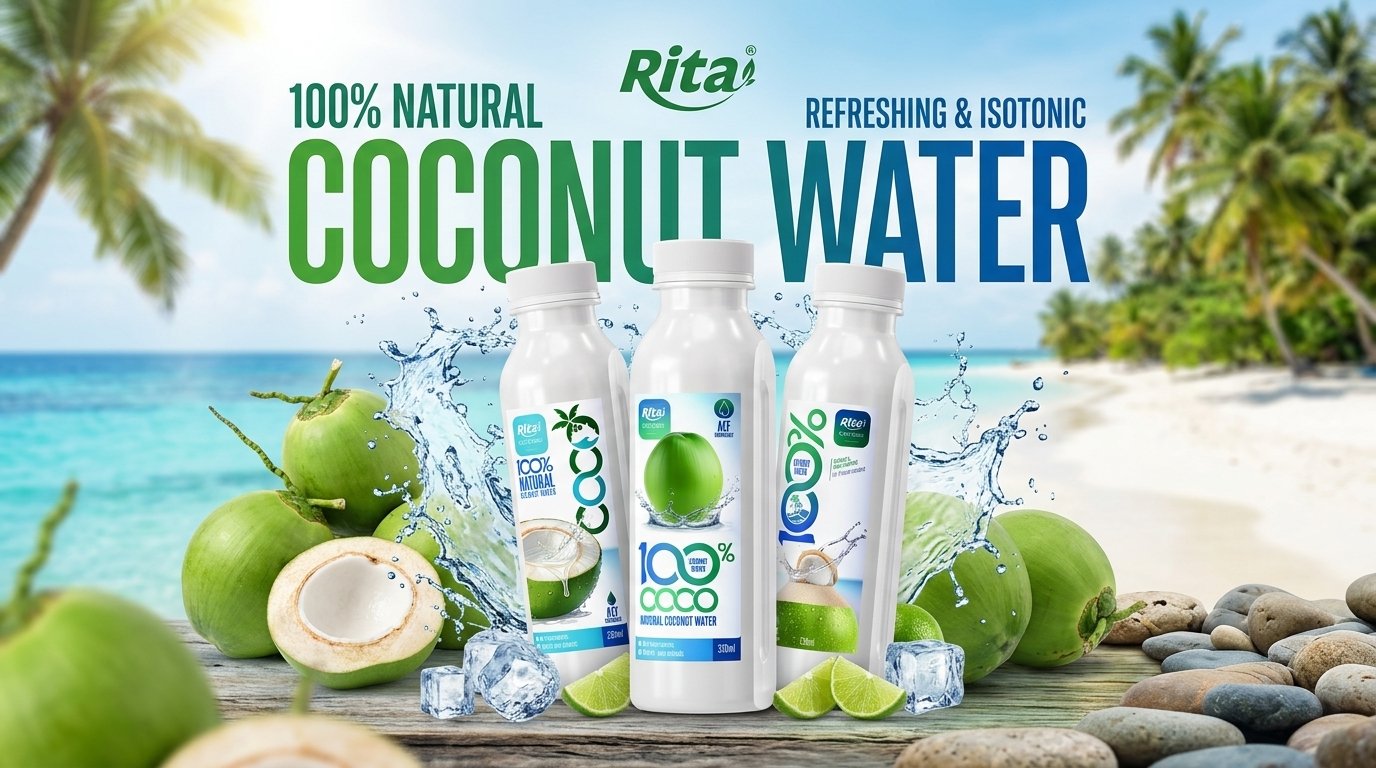
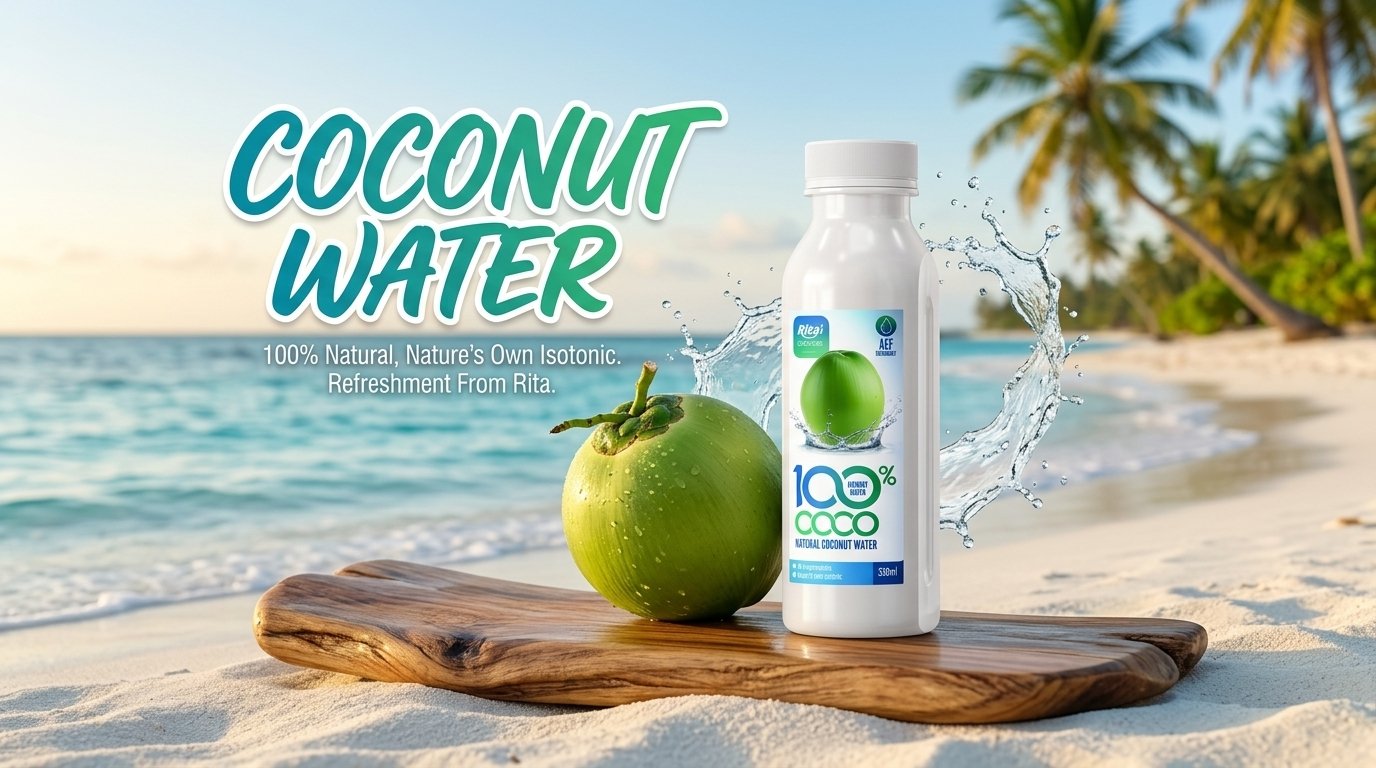
Furthermore, PP material is lightweight and shatterproof, minimizing breakage risks during transit. A product like the Rita Natural Coconut Water 1L PP Square Shape Bottle, with an 18-month shelf life, provides the extended durability required for international export and extended distribution cycles, ensuring product integrity from factory to end-user.
The Imperative of International Certifications for Global Trade
For businesses engaged in import/export, certifications are the passport to market access. They are not merely badges on a website but rigorous assurances of quality and safety systems. A manufacturer's portfolio of certifications directly impacts a distributor's ability to sell into specific channels.
- ISO & HACCP: Demonstrate a systematic approach to quality and food safety management.
- HALAL & Kosher: Essential for accessing the vast Middle Eastern, Southeast Asian, and specific demographic markets globally.
- FDA Compliance: A fundamental requirement for distribution in the United States, indicating adherence to stringent food safety regulations.
- BRC/FSSC 22000: Often required by major global retailers and supermarket chains for their private label suppliers.
A product bearing these certifications, as noted in the specifications for the Rita 1L coconut water, immediately reduces market entry barriers for an importer. It signals a manufacturer's commitment to global standards, making the export-ready natural coconut water supply a more secure and scalable investment.
OEM and Private Label: Building Brand Value through Strategic Manufacturing
The rise of private label brands across retail and foodservice is a dominant trend. Businesses are no longer content to simply resell generic products; they seek to build their own brand equity. This is where a manufacturer's OEM (Original Equipment Manufacturing) and ODM (Original Design Manufacturing) capabilities become invaluable.
Partnering with a proficient OEM manufacturer allows a distributor or startup to launch a custom-branded coconut water line without the capital expenditure of building a factory. Services include custom formulation (adjusting sweetness or adding subtle flavors), label and packaging design, and compliance with local labeling laws. For example, a company can leverage a platform like OEM beverage manufacturing to develop a unique product tailored for their specific HORECA or retail channel.
Minimum Order Quantities (MOQs) are a crucial consideration. A manageable MOQ, such as 500 cartons, lowers the entry threshold for smaller businesses and allows for market testing before committing to massive volume orders.
Supply Chain Resilience and Sourcing from Established Export Hubs
Recent global events have underscored the importance of resilient and diversified supply chains. Vietnam has emerged as a powerhouse in agricultural processing and beverage export, offering competitive advantages in sourcing tropical ingredients like coconut.
Leading Vietnamese exporters combine access to high-quality raw materials from local farms with state-of-the-art, high-capacity production facilities. The ability to supply 600 twenty-foot containers per month, as indicated in the product profile, speaks to a scale that can meet the demands of large multinational distributors and retail chains. This scale ensures consistency and reliability—two attributes prized above all in B2B relationships.
Strategic port access, such as Ho Chi Minh Port, streamlines logistics, facilitating efficient shipment to markets in Asia, Europe, the Middle East, and the Americas. A reliable lead time of 20-25 days after order confirmation enables precise inventory planning for the importing business.
Future-Proofing Your Beverage Portfolio
Integrating a product like bulk natural coconut water is a strategic move to future-proof a beverage portfolio. It aligns with the enduring macro-trends of naturality, functionality, and versatility. For a business, it represents more than a single SKU; it represents a flexible ingredient, a base for innovation, and a ticket to participating in the growing plant-based beverage segment.
The decision ultimately hinges on choosing the right manufacturing partner—one that provides not just a product, but a comprehensive service from concept and formulation to certified production and global logistics support. This partnership model is key to succeeding in the dynamic and competitive global beverage market.
Frequently Asked Questions
What are the primary business applications for 1L bulk natural coconut water?
This format is ideal for foodservice (HORECA) including cocktail mixing in bars, smoothie bases in juice bars and cafes, culinary uses in restaurants, and as a refreshment option in hotels and gyms. It's also perfectly suited for private label retail brands where consumers seek larger, value-sized packages.
Why are certifications like HALAL and FDA so important for an export-focused coconut water product?
These certifications are critical for market access. HALAL certification opens doors to Muslim-majority countries and ethically-conscious consumers worldwide. FDA compliance is legally required for selling food products in the United States and is a recognized benchmark for food safety quality in many other regions, assuring distributors of the product's adherence to stringent standards.
How does the square-shaped PP bottle benefit a distributor or wholesaler?
The square shape offers superior logistics efficiency. It allows for more bottles per pallet and per shipping container compared to round bottles, reducing shipping and storage costs significantly. The lightweight, shatterproof PP material also lowers the risk of damage during transit, ensuring a higher percentage of saleable goods.
What does an MOQ of 500 cartons mean for a new beverage business?
A Minimum Order Quantity of 500 cartons represents a manageable entry point for small to medium-sized businesses or those looking to test a market. It balances the manufacturer's production efficiency with the buyer's need to manage inventory risk and capital outlay, making private label ventures more accessible.
What is the advantage of sourcing from a large-scale OEM manufacturer in Vietnam?
Large-scale manufacturers in Vietnam offer a combination of cost competitiveness, access to premium tropical raw materials, and massive, reliable production capacity. They are experienced in global export protocols and can provide end-to-end services from custom formulation to compliant documentation, acting as a true strategic partner for brand owners.
Newer news items:
- The Rise of Natural Extract Carbonated Beverages in Global Soft Drink Markets - 23/04/2026 09:23
- Sugar-Free Cola in Global Markets: How Private Label Beverage Manufacturers Are Driving the No-Sugar Soda Shift - 23/04/2026 09:17
- The Growing Appeal of Blackcurrant and Nata De Coco Drinks in Global Beverage Markets - 23/04/2026 08:32
- The Rise of Textured Beverages and Nata de Coco Drives Global F&B Innovation - 23/04/2026 08:26
- The Rising Demand for Textured Coconut Water Beverages in Global Markets - 23/04/2026 07:40
Older news items:
- The Rising Global Demand for Sparkling Fruit Beverages in Sleek Can Packaging - 23/04/2026 07:26
- The Rising Global Demand for Sparkling Pineapple Beverages in Sleek Can Packaging - 23/04/2026 07:19
- The Rising Global Demand for Coconut Water with Nata de Coco and Its Business Implications - 23/04/2026 06:51
- The Strategic Rise of Bulk Natural Coconut Water in the Global Beverage Market - 23/04/2026 06:43
- The Strategic Rise of Private Label Coconut Water in the Global Beverage Market - 23/04/2026 06:36