
Carbonated Coconut Water Market Trends Driving Global Beverage Innovation
The global beverage industry is witnessing a paradigm shift as consumers increasingly seek drinks that offer both refreshment and natural ingredients. Among the rising stars in this category is carbonated coconut water, a product that combines the hydrating qualities of coconut water with the effervescence of sparkling drinks. This trend is not merely a passing fad; it reflects deeper changes in consumer behavior, retail strategies, and export opportunities. For importers, distributors, and F&B businesses, understanding the market dynamics behind this product is crucial for capturing growth in a competitive landscape.
Key Takeaways
- Carbonated coconut water is a fast-growing segment in the functional beverage market, appealing to health-conscious consumers.
- The carbonated coconut water market is driven by demand for natural, low-sugar alternatives to traditional sodas.
- Manufacturers like RITA are leveraging OEM/ODM capabilities to offer tailored solutions for global brands.
- Export opportunities are expanding due to rising demand in North America, Europe, and Asia-Pacific regions.
- Retail and Horeca channels are adapting to include premium sparkling coconut water in their portfolios.
The Rise of Sparkling Coconut Water in the Beverage Landscape
Over the past five years, the carbonated coconut water market has evolved from a niche product to a mainstream contender. Market research indicates a compound annual growth rate (CAGR) of over 8% for this segment, driven by consumer preference for beverages that combine taste with natural ingredients. Unlike traditional coconut water, which some find flat, carbonated versions offer a refreshing fizz that appeals to soda drinkers looking for healthier alternatives.
This shift is particularly evident in Western markets where sales of sugary sodas have declined. In the United States, for instance, carbonated coconut water now occupies shelf space in major retailers like Whole Foods and Target. The product’s versatility also makes it suitable for mixology, with bartenders using it as a base for low-alcohol cocktails. For distributors, this represents an opportunity to diversify their product lines with a high-margin item that caters to multiple consumption occasions.
Consumer Behavior and the Demand for Natural Sparkling Drinks
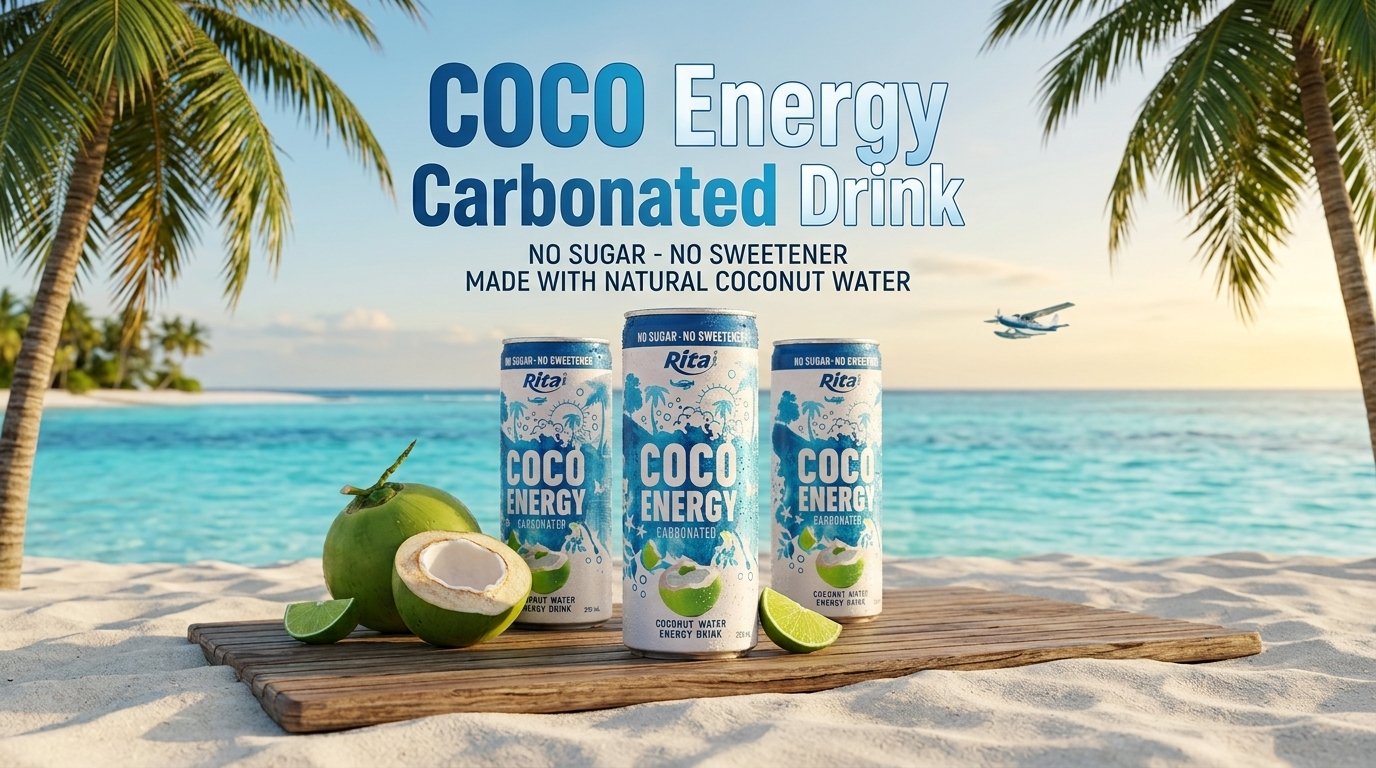
Modern consumers are more ingredient-conscious than ever. They scrutinize labels for artificial additives, high sugar content, and unfamiliar chemicals. This trend has fueled interest in products like carbonated coconut water market offerings, which typically contain only coconut water, carbonation, and natural flavors. The absence of preservatives and artificial sweeteners aligns with the clean-label movement.
Moreover, the rise of “functional hydration” has blurred the lines between soft drinks and wellness products. While we avoid health claims, it is undeniable that consumers perceive coconut water as a natural electrolyte source. This perception, combined with the enjoyment of carbonation, creates a powerful value proposition. Brands that can communicate this effectively through transparent marketing and packaging stand to gain loyal followings.
For businesses, understanding this psychology is key. Retailers should position carbonated coconut water in the premium beverage section, alongside craft sodas and kombucha. Marketing campaigns should emphasize the product’s origin, natural sourcing, and manufacturing excellence rather than unsubstantiated benefits. This approach builds trust and differentiates the product in a crowded market.
Export Opportunities and Global Trade Dynamics
Vietnam has emerged as a major hub for coconut water production, thanks to its abundant raw materials and advanced manufacturing infrastructure. Companies like RITA Food & Drink Co., Ltd, which exports to over 200 countries, are at the forefront of this trend. The carbonated coconut water market is particularly promising for exporters because of its long shelf life (24 months) and lightweight aluminum can packaging, which reduces shipping costs.
Key export destinations include the United States, European Union, China, and the Middle East. Each region has specific preferences: European buyers often prioritize organic certifications, while Middle Eastern markets require HALAL compliance. Vietnamese manufacturers, equipped with certifications like ISO, HACCP, HALAL, FSSC, BRC, and GMP, are well-positioned to meet these diverse requirements. The ability to customize formulations, sweetness levels, and packaging formats further enhances export competitiveness.
For importers, partnering with a reliable OEM/ODM partner offers significant advantages. Minimum order quantities (MOQ) as low as 500 cartons and flexible payment terms (L/C, T/T) lower the barrier to entry. Delivery times of 20-25 days and a supply ability of 600 containers per month ensure scalability. This allows even mid-sized distributors to launch private-label carbonated coconut water without massive upfront investment.
Retail Strategies for Carbonated Coconut Water
Successful retail placement requires understanding the product’s dual identity: it is both a soft drink and a premium natural beverage. In supermarkets, it should be placed in the natural/organic aisle as well as the sparkling water section. Cross-merchandising with cocktail mixers or tropical snacks can boost impulse purchases. For convenience stores, single-serve 250ml cans are ideal for on-the-go consumption.
Pricing strategy is another critical factor. Carbonated coconut water typically commands a 20-30% premium over regular soda, reflecting its perceived value. Promotions such as “buy one, get one free” or bundle deals with coconut-based snacks can drive trial. Sampling programs, especially in gyms or wellness centers, are effective for converting hesitant consumers.
E-commerce also plays a growing role. Amazon, Alibaba, and specialized health food platforms list numerous brands. Optimizing product pages with keywords like “sparkling coconut water” and “natural carbonated drink” improves discoverability. For B2B buyers, platforms like Alibaba connect them directly with manufacturers, reducing intermediaries.
Horeca Applications: From Bars to Cafés
The Horeca sector (Hotels, Restaurants, Cafés) presents a significant growth avenue for carbonated coconut water. Bartenders are increasingly using it as a mixer for cocktails, replacing tonic water or soda. Its subtle sweetness and tropical notes pair well with rum, vodka, or gin. Non-alcoholic versions are popular for mocktails, appealing to the growing sober-curious demographic.
Cafés can offer carbonated coconut water as a standalone beverage or as a base for smoothies and frappés. In hotel minibars, the 250ml can size is perfect for single servings. For restaurant chains, developing signature drinks with carbonated coconut water can differentiate their menu. The product’s long shelf life and easy storage make it logistically convenient for Horeca operators.
To succeed in this channel, suppliers should provide training materials and recipe ideas. Partnering with distributors that have established Horeca networks can accelerate market penetration. Offering custom packaging, such as cans with restaurant branding, is an added value that strengthens B2B relationships.
OEM and ODM Manufacturing: Tailoring Products to Market Needs
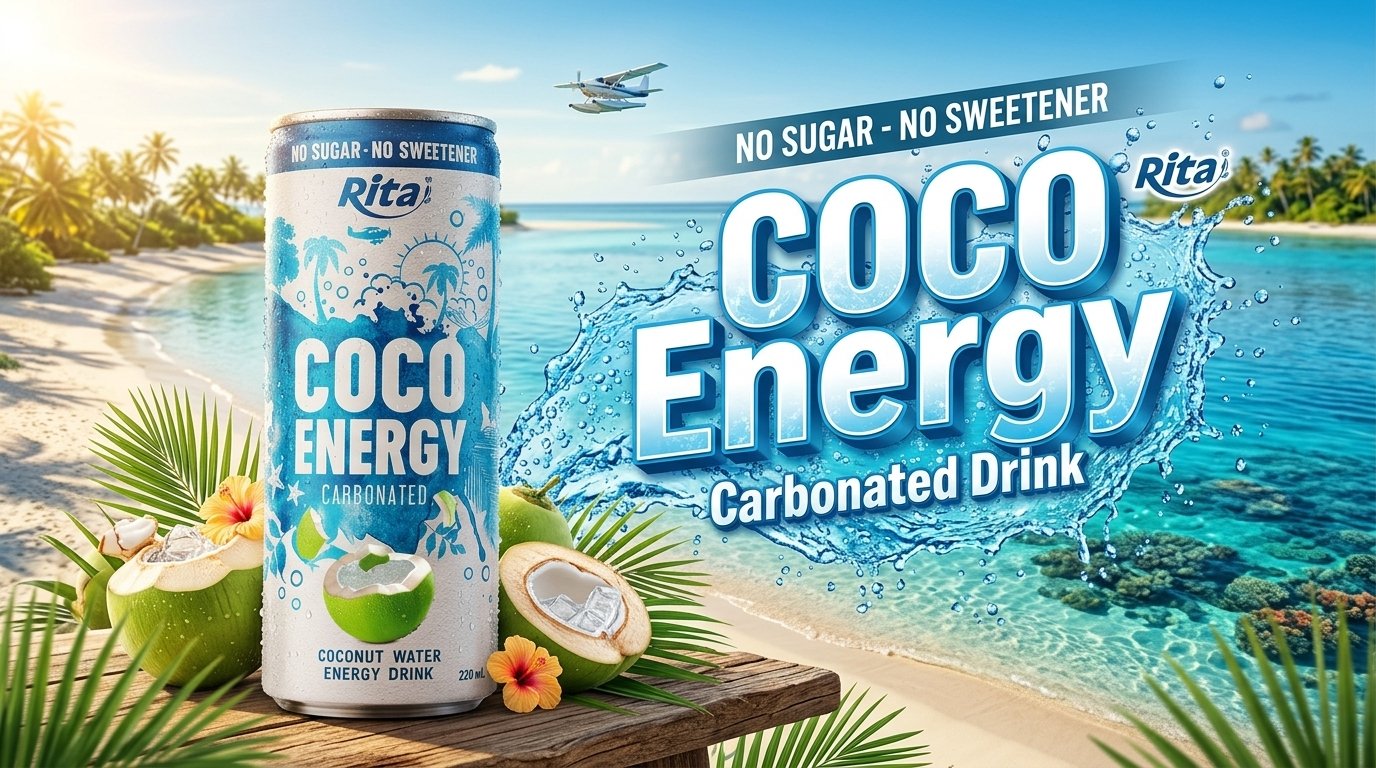
The flexibility of OEM/ODM manufacturing is a key driver of the carbonated coconut water market. Companies like RITA offer end-to-end services, from concept development to large-scale production. This allows brands to enter the market quickly without investing in their own facilities. Customization options include adjusting carbonation levels, sweetness, and flavor profiles (e.g., adding natural fruit extracts).
Packaging is another area of differentiation. Aluminum cans are preferred for their recyclability and ability to preserve carbonation. Sizes like 250ml are popular for single servings, while 330ml cans suit larger portions. For private-label clients, RITA can design labels that align with brand identity, ensuring shelf appeal. This service is particularly valuable for startups and regional brands looking to compete with established players.
Quality assurance is paramount. Certifications such as BRC and FSSC 22000 give importers confidence in product safety. Regular audits and strict raw material sourcing from Vietnamese farms ensure consistency. For buyers, requesting samples (often free) before committing to large orders is a prudent step.
Challenges and Considerations for Market Entry
While the carbonated coconut water market is promising, it is not without challenges. Competition is intensifying as more brands enter the space. Differentiation through unique flavors, premium packaging, or sustainability initiatives is essential. Price sensitivity in certain markets can also be a hurdle; educating consumers on the product’s value is an ongoing effort.
Logistics require careful planning. Although aluminum cans are durable, they are susceptible to denting during transit. Proper packaging and container loading techniques minimize damage. Additionally, customs regulations for beverages vary by country; working with experienced freight forwarders and legal advisors is recommended.
Despite these challenges, the long-term outlook remains positive. As global demand for natural, low-sugar beverages continues to rise, carbonated coconut water is well-positioned to capture a significant share. For businesses that invest in quality, branding, and distribution, the rewards can be substantial.
Frequently Asked Questions
What is the minimum order quantity for carbonated coconut water?
The minimum order quantity is typically 500 cartons, making it accessible for mid-sized distributors and private-label brands.
What certifications should I look for when importing carbonated coconut water?
Key certifications include ISO, HACCP, HALAL, FSSC, BRC, and GMP. These ensure product safety and compliance with international standards.
How long does delivery take for OEM orders?
Delivery time is typically 20-25 days after order confirmation, depending on order volume and customization requirements.
Can I customize the flavor and packaging for my brand?
Yes, OEM/ODM partners like RITA offer full customization of flavor, carbonation level, sweetness, and packaging design.
What are the main export markets for carbonated coconut water?
Major markets include the USA, Europe, China, India, Middle East, and Asia-Pacific regions, driven by demand for natural sparkling beverages.
For businesses looking to explore this opportunity, RITA offers a comprehensive solution. Visit RITA’s OEM service page to learn more about custom manufacturing. Additionally, check out RITA’s coconut product range for other export-ready options.
Newer news items:
- The Rise of Caffeinated Protein Milk: A New Frontier in the Ready-to-Drink Beverage Market - 04/07/2026 10:19
- A Warm Dragon Boat Festival with Rita Beverage Company: Spreading Culture, Connecting with Love - 20/06/2026 02:58
- First Aid and Occupational Safety Training Course at Rita Company - 12/06/2026 08:31
- Rita Is Ready For THAIFEX 2026: Shaping The Next-Generation Beverage Map Of The Global Market - 05/06/2026 09:12
- Celebrating International Children’s Day with Rita Drinks - 05/06/2026 08:51
Older news items:
- How Carbonated Energy Drinks in Cans Are Shaping Global Beverage Export Trends - 23/04/2026 09:51
- Exploring the Global Demand for Coco Energy Carbonated Drink Apple Flavor 250ml Can in the Beverage Industry - 23/04/2026 09:45
- Energy Drink Market Trends 2025: Opportunities for Mango Flavored Carbonated Beverages in Global Trade - 23/04/2026 09:44
- Natural Date Cola Drives Innovation in Carbonated Beverage Market - 23/04/2026 09:39
- How Sugar-Free Cola in 330ml Cans Is Reshaping the Global Carbonated Soft Drink Market - 23/04/2026 09:33