
Exploring the Rise of Sparkling Kombucha in the Global Beverage Market
The global beverage industry is witnessing a significant shift as consumers increasingly seek out innovative, flavorful, and versatile drink options. Among the most dynamic categories driving this change is the sparkling kombucha segment, which combines the effervescence of a soda with the complex taste profiles that modern palates crave.
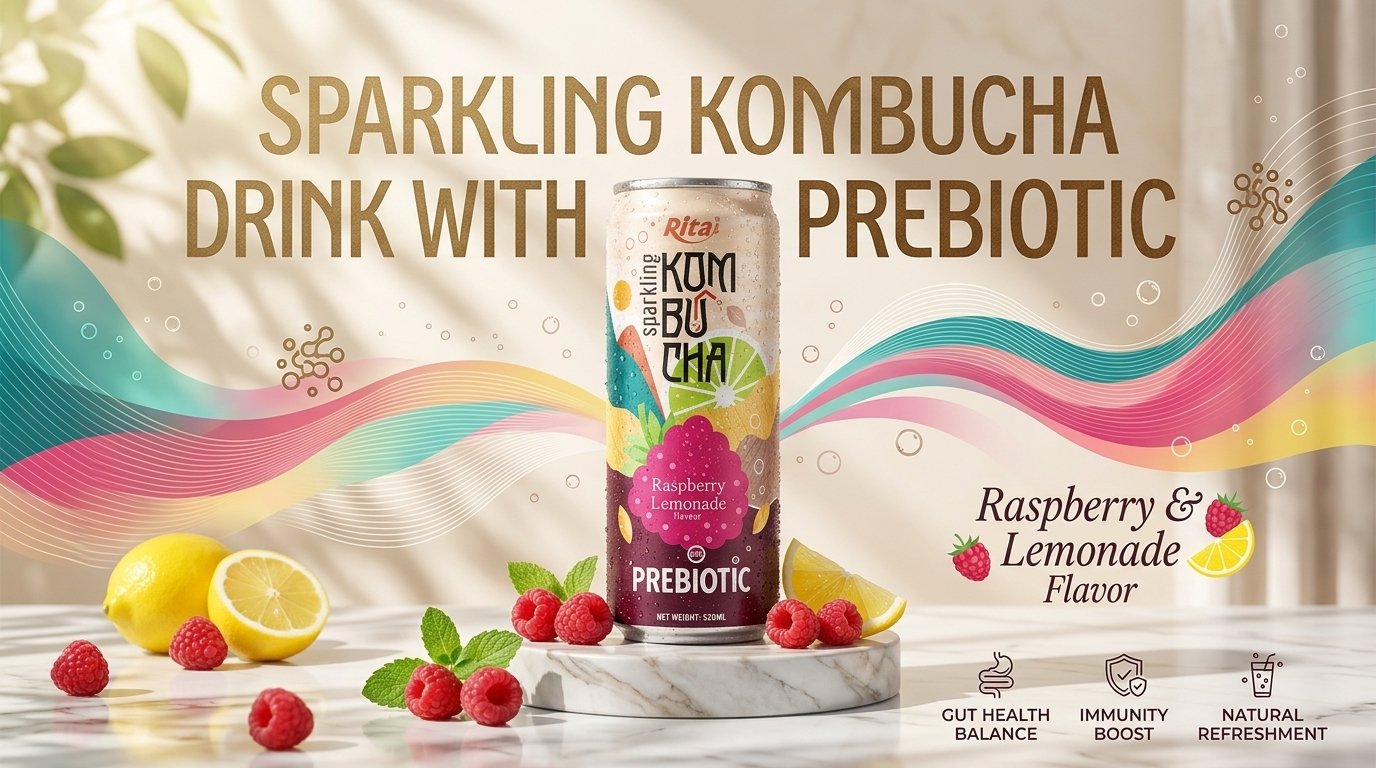
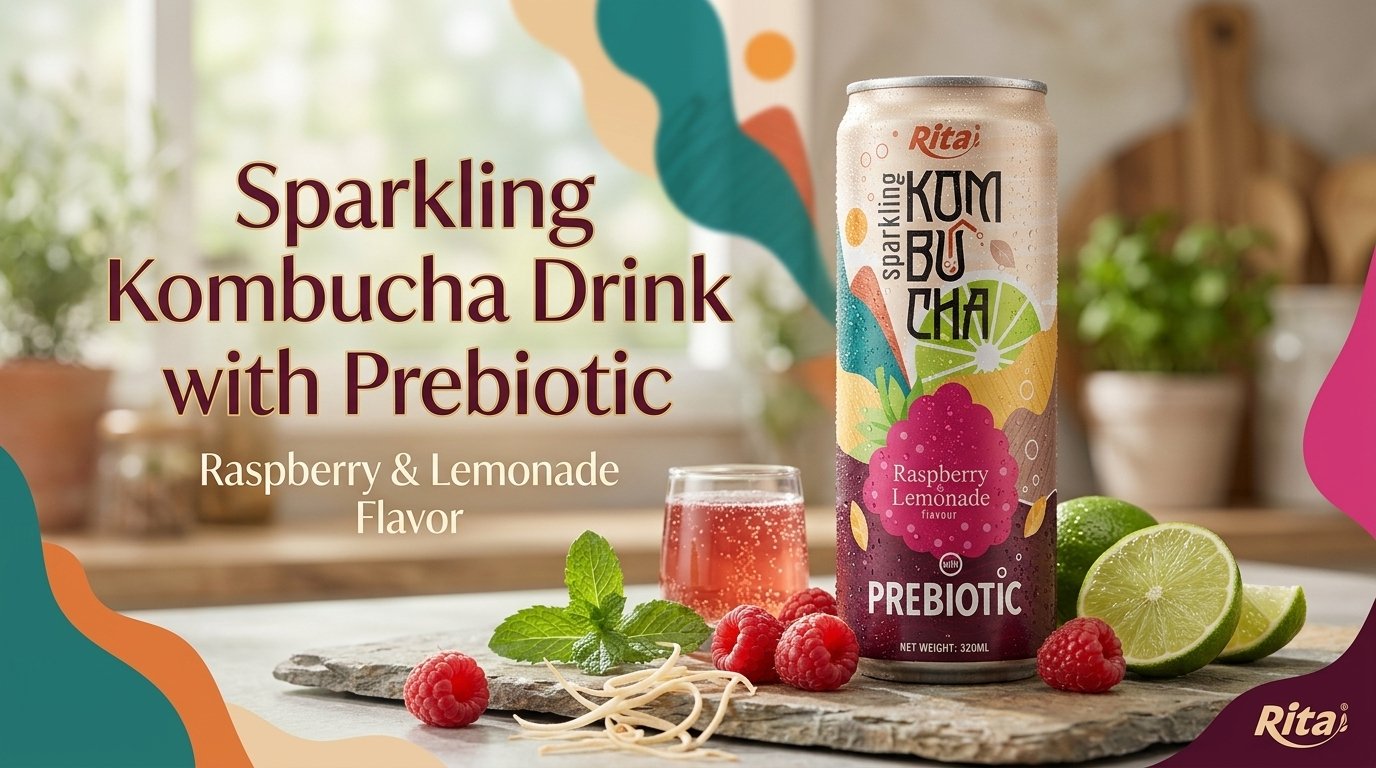
For importers, distributors, and F&B businesses, understanding the trajectory of this market is essential for making informed sourcing and inventory decisions. One product that exemplifies the potential of this trend is the Rita Sparkling Kombucha Raspberry & Lemonade Flavour With Prebiotic 320ml Can, a beverage that has been designed to meet the demands of contemporary retail and hospitality channels.
This article provides a comprehensive analysis of the sparkling kombucha market, focusing on the key factors that are influencing its growth, the operational considerations for businesses looking to enter this space, and the specific attributes that make products like the Rita Sparkling Kombucha a viable option for wholesale and export markets. By examining consumer behavior, production capabilities, and distribution strategies, we aim to offer actionable insights for stakeholders in the beverage supply chain.
Key Takeaways
- The global demand for sparkling kombucha is being fueled by a shift toward low-sugar, flavorful alternatives in the soft drink category.
- Products like the Rita Sparkling Kombucha Raspberry & Lemonade Flavour With Prebiotic 320ml Can are gaining traction due to their unique flavor combinations and convenient packaging formats.
- Businesses evaluating kombucha sourcing should prioritize suppliers with strong production capacity, flexible OEM/ODM services, and comprehensive quality certifications.
- The aluminum can format, as seen in this product, offers logistical advantages for export, including extended shelf life and reduced shipping weight.
- Understanding the regulatory landscape and consumer preferences in target markets is critical for successful distribution of prebiotic beverages.
Market Dynamics Driving the Sparkling Kombucha Category
The beverage market has experienced a notable pivot away from traditional sugary sodas toward products that offer a more complex sensory experience. Sparkling kombucha has emerged as a frontrunner in this evolution, appealing to a broad demographic that includes both health-conscious individuals and those simply looking for a refreshing, non-alcoholic drink. According to industry reports, the global kombucha market is projected to grow steadily over the next five years, with the sparkling sub-segment capturing a significant share of this expansion.
Several factors contribute to this growth. First, the flavor innovation within the category has been remarkable. Brands are moving beyond basic tea profiles to create sophisticated blends that incorporate fruits, herbs, and botanicals. The Raspberry & Lemonade combination, for instance, offers a balance of tartness and sweetness that resonates with consumers accustomed to traditional lemonades but seeking something with more depth. This flavor strategy is crucial for attracting repeat purchases and building brand loyalty in a competitive retail environment.
Second, the format of the beverage plays a critical role in its marketability. The 320ml aluminum can is a popular choice for on-the-go consumption and is widely accepted in convenience stores, supermarkets, and vending machines. For businesses involved in the Horeca sector, such as hotels, restaurants, and cafes, the can format offers portion control and ease of storage. The extended shelf life of 24 months, as indicated for the Rita Sparkling Kombucha, is another advantage, reducing the risk of spoilage during transit and storage.
Operational Considerations for Importers and Distributors
When evaluating a sparkling kombucha product for wholesale or distribution, several operational factors must be considered to ensure a successful partnership. The sourcing of kombucha from a reliable manufacturer is paramount, as the production process requires strict quality control to maintain consistency in flavor and carbonation. The Rita Sparkling Kombucha Raspberry & Lemonade Flavour With Prebiotic 320ml Can is produced by RITA, a company with substantial manufacturing capabilities, including over 20 modern production lines and a factory size of approximately 30,000 m². This scale ensures that the manufacturer can handle large-volume orders efficiently, with a supply ability of up to 600 twenty-foot containers per month.
Another critical aspect is the minimum order quantity (MOQ). For this product, the MOQ is set at 500 cartons, which is a manageable threshold for many mid-sized distributors and allows for initial market testing without excessive financial commitment. The delivery time of 20-25 days after order confirmation is competitive, enabling businesses to plan their inventory cycles effectively. Payment terms of L/C or T/T are standard in international trade, providing flexibility for buyers with established credit lines.
Certifications are a non-negotiable element for any beverage entering global markets. The Rita Sparkling Kombucha comes with ISO, HACCP, HALAL, FSSC, and BRC certifications. These certifications demonstrate compliance with international food safety standards, which is essential for gaining access to markets in Europe, North America, and the Middle East. For importers, having a product with these credentials simplifies the regulatory approval process and builds trust with end consumers.
Flavor Innovation and Consumer Appeal in the Kombucha Segment
The success of any beverage product ultimately hinges on its ability to satisfy consumer taste preferences. In the sparkling kombucha category, the flavor profile is often the deciding factor for trial and repeat purchase. The Raspberry & Lemonade flavor is a strategic choice because it leverages two universally loved taste profiles. Raspberry provides a natural sweetness and a vibrant color, while lemonade adds a familiar tanginess that appeals to a wide range of age groups. This combination is particularly effective in markets where consumers are experimenting with fermented beverages but may be hesitant to try more exotic flavors.
From a product development perspective, the inclusion of prebiotics in a sparkling kombucha adds another layer of marketability. Prebiotics are dietary fibers that support the growth of beneficial bacteria in the gut. While we cannot make specific health claims, it is worth noting that the functional ingredient trend is driving consumer interest in beverages that offer more than just hydration. For businesses, this means that a product with prebiotics can be positioned as a premium offering, potentially commanding a higher price point in retail settings.
The packaging design also contributes to consumer appeal. The aluminum can is not only practical but also offers a modern aesthetic that resonates with younger demographics. The can's surface area allows for vibrant branding and product information, which is crucial for attracting attention on crowded shelves. For distributors, the lightweight nature of aluminum cans reduces shipping costs compared to glass bottles, making it a cost-effective option for long-distance export.
Export Opportunities and Global Market Access
Vietnam has established itself as a significant hub for beverage manufacturing, and companies like RITA are at the forefront of this export-oriented industry. The country's strategic location in Southeast Asia, combined with its competitive labor costs and improving infrastructure, makes it an attractive sourcing destination for international buyers. The Rita Sparkling Kombucha is exported from Ho Chi Minh Port, one of the busiest ports in the region, ensuring efficient logistics for shipments to markets in Asia, Europe, the Americas, and beyond.
For businesses looking to import kombucha, understanding the tariff classifications and import regulations of their target country is essential. Many countries have specific requirements for fermented beverages, including labeling standards and microbiological testing. The certifications held by RITA help mitigate these hurdles, but importers should still conduct due diligence to ensure full compliance. Additionally, the FOB pricing model allows buyers to have control over shipping and insurance, which can be advantageous for those with established freight partnerships.
The potential for growth in emerging markets is particularly promising. In regions where the kombucha category is still nascent, first-mover advantages can be significant. Distributors in these markets can leverage the unique selling points of a product like the Rita Sparkling Kombucha to educate consumers and build a loyal customer base. The 500 carton MOQ makes it feasible for smaller distributors to enter the market without overcommitting inventory.
Strategic Sourcing and Partnership with Manufacturers
Selecting the right manufacturing partner is one of the most critical decisions for any beverage business. RITA offers comprehensive OEM and ODM services, which allow importers and brands to customize formulations, packaging, and branding to suit their specific market needs. This flexibility is invaluable for companies that want to differentiate their product lineup without investing in their own production facilities.
The company's R&D capabilities are particularly noteworthy. With a strong focus on trend-driven innovation, RITA can develop new flavor profiles and adjust sweetness levels, carbonation, and viscosity to meet consumer preferences. For a product like the sparkling kombucha, this means that buyers can request modifications to the Raspberry & Lemonade base or create entirely new flavor combinations. The ability to offer a unique product under a private label can be a powerful competitive advantage in retail and foodservice channels.
Furthermore, the company's commitment to quality is reflected in its multiple certifications and its quality control systems. RITA adheres to strict standards to ensure that every batch meets international food safety requirements. This reduces the risk of product recalls and protects the brand reputation of the importer. The company also provides end-to-end service, from pre-order consultation to after-sales support, which is crucial for long-term business relationships.
Application in Retail and Foodservice Channels
The versatility of the sparkling kombucha format makes it suitable for a wide range of distribution channels. In retail, the 320ml can is ideal for single-serve sales in supermarkets, convenience stores, and specialty food shops. The product can be placed in the refrigerated beverage section alongside other premium sodas and functional drinks. For retailers, the high perceived value of kombucha can drive higher margins compared to traditional carbonated soft drinks.
In the foodservice sector, the Rita Sparkling Kombucha can be used as a non-alcoholic beverage option in restaurants, cafes, and bars. It pairs well with a variety of cuisines and can be served as a standalone drink or used as a mixer in mocktails. The can format is convenient for staff to handle and reduces waste compared to bottled alternatives. For hotel minibars and catering events, the extended shelf life ensures that the product remains fresh for extended periods.
For beverage business startups, launching with a product like this can be a strategic move. The low MOQ reduces financial risk, while the established production capabilities of the manufacturer ensure consistent quality. Startups can focus on marketing and distribution, leveraging the manufacturer's expertise in production and logistics. This partnership model has become increasingly popular in the beverage industry, allowing new brands to compete with established players.
Future Outlook for Sparkling Kombucha in Global Trade
The trajectory of the sparkling kombucha market suggests continued growth and diversification. As consumer palates evolve, we can expect to see even more flavor innovations and format variations. The integration of prebiotics into kombucha is likely to become more common, as manufacturers seek to differentiate their products in a crowded marketplace. For exporters and importers, staying ahead of these trends will be key to capturing market share.
RITA's position as a leading beverage exporter in Vietnam positions it well to capitalize on these trends. The company's investment in production capacity, quality certifications, and R&D ensures that it can meet the demands of the global market. The Rita Sparkling Kombucha Raspberry & Lemonade Flavour With Prebiotic 320ml Can is a testament to the company's ability to create products that align with current market demands while maintaining the operational efficiency required for large-scale export.
In conclusion, the sparkling kombucha segment presents a compelling opportunity for businesses across the beverage supply chain. By understanding the market dynamics, operational requirements, and consumer preferences, importers, distributors, and F&B professionals can make informed decisions that drive growth. Products like the Rita Sparkling Kombucha offer a practical entry point into this exciting category, backed by a manufacturer with a proven track record in global trade. For more information on OEM and ODM services, you can explore RITA's OEM service and RITA's ODM service.
Frequently Asked Questions
1. What is the minimum order quantity for the Rita Sparkling Kombucha?
The minimum order quantity is 500 cartons, making it accessible for mid-sized distributors and new market entrants.
2. What are the key certifications for this product?
The product holds ISO, HACCP, HALAL, FSSC, and BRC certifications, ensuring compliance with international food safety standards.
3. What is the shelf life of the Rita Sparkling Kombucha?
The product has a shelf life of 24 months, which is advantageous for long-distance shipping and inventory management.
4. Can the product be customized for private labeling?
Yes, RITA offers OEM and ODM services, allowing for custom formulations, packaging, and branding to meet specific market needs.
5. What is the typical delivery time for export orders?
Delivery time is 20-25 days after order confirmation, with shipping from Ho Chi Minh Port, Vietnam.
Newer news items:
- Kombucha Peach Flavour Can Trends in the Global Beverage Export Market - 22/07/2026 06:05
- Bici Bici 325ml Blackcurrant Drink — How Texture and Convenience Are Reshaping the Global Beverage Export Market - 21/07/2026 08:34
- Sourcing Bici Bici Grape Drink with Nata De Coco from Vietnam OEM for Global Markets - 21/07/2026 08:31
- Sparkling Kombucha Trends and Supply Chain Opportunities for Global Beverage Importers - 21/07/2026 05:54
- How the Rita Sparkling Kombucha Pear & Ginger Flavour With Prebiotic 320ml Can is Shaping the Global Beverage Export Market - 20/07/2026 06:00
Older news items:
- Kombucha in a Can: Why Sparkling Prebiotic Drinks Are Reshaping Beverage Export Opportunities - 17/07/2026 05:42
- Coconut Water Chocolate Flavor Trend: A New Opportunity for Beverage Importers and Distributors - 16/07/2026 05:36
- Coconut Water Chocolate Flavor Trends Reshaping the Global Beverage Export Market - 15/07/2026 05:30
- Coconut Water Market Trends: Why Chocolate Flavored Variants Are Gaining Global Traction - 14/07/2026 05:25
- Exploring Rita’s Dragon Fruit Raw Material Area in Binh Thuan: From Farm to Premium Juice Glass - 13/07/2026 03:35