
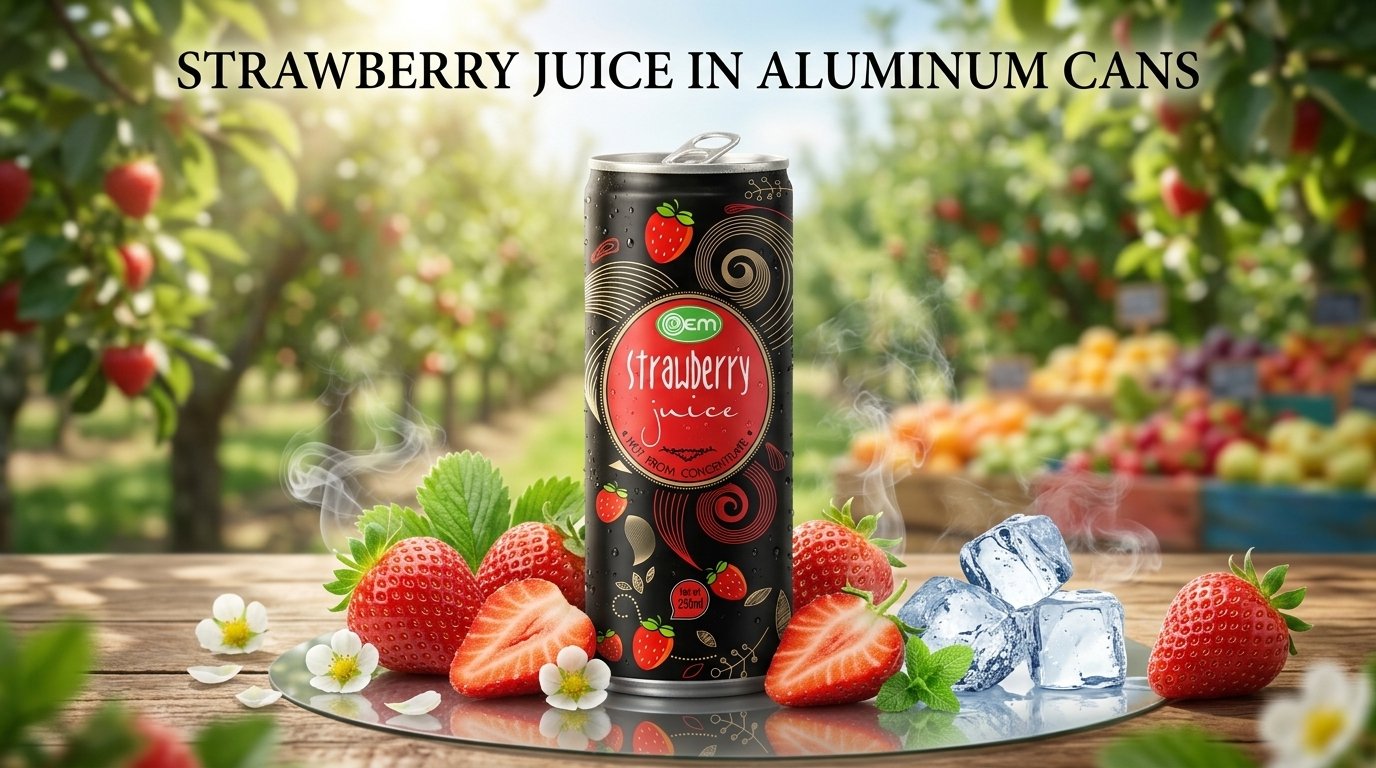
Strawberry Juice in Aluminum Cans — Redefining Convenience for the Global Beverage Market
Key Takeaways
- The global demand for single-serve fruit juices is surging, with aluminum cans emerging as a preferred packaging format for their portability and product protection.
- Consumers are increasingly seeking products with clean labels and natural ingredients, driving interest in options like strawberry juice in a 250ml can that emphasize a "not from concentrate" profile.
- The OEM/ODM model offers international brands a strategic pathway to enter new markets with customized products, leveraging established manufacturing expertise in regions like Vietnam.
- Navigating complex import regulations and certification standards is critical for success in key markets such as the USA, Europe, and the Middle East.
Market Dynamics: The Rise of the Single-Serve Fruit Juice Segment
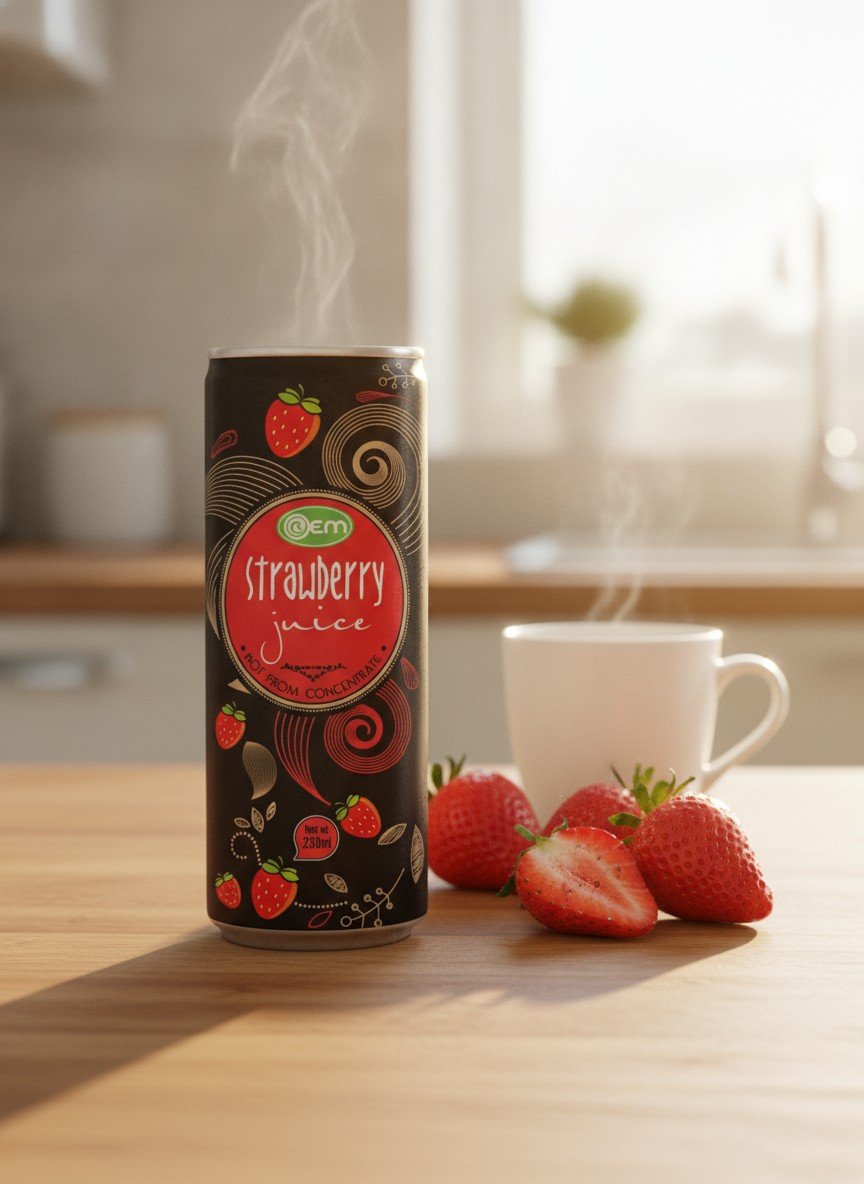
The shift towards smaller, more portable packaging is one of the most defining trends in the beverage industry. This is not a fleeting fad but a fundamental change in how consumers integrate drinks into their daily routines. From a quick breakfast companion to a mid-afternoon refreshment at the office, the 250ml format has become the gold standard for portion control and convenience. This size perfectly balances the desire for a satisfying drink with the practicality of a product that can be easily carried in a bag or lunchbox.
Why Aluminum Cans Are Winning in the Juice Aisle
Aluminum cans offer distinct advantages over other packaging materials, particularly for fruit juices. They provide an excellent barrier against light and oxygen, which helps preserve the flavor and nutritional profile of the juice over its shelf life, often extending to 24 months. This is a critical factor for importers managing complex supply chains. Furthermore, cans are lightweight, stackable, and highly durable, significantly reducing transportation costs and the risk of damage during shipping compared to glass. For a product like strawberry juice in a 250ml can, this packaging choice directly supports its positioning as a premium, long-lasting, and travel-friendly option.
Consumers also associate aluminum cans with modernity and recyclability, which aligns with growing environmental consciousness. The infinite recyclability of aluminum is a powerful marketing message that resonates with eco-aware demographics in markets like Europe and North America. This combination of functional benefits and positive brand perception makes the aluminum can a formidable package in the competitive juice market. The visual design potential is also vast, with the metallic surface allowing for vibrant, high-impact printing that makes products stand out on crowded retail shelves.
Understanding the Competitive Landscape for Strawberry Juice
The fruit juice market is highly fragmented, with competition coming from global giants, local brands, and private labels. To succeed, a product must differentiate itself on multiple fronts: taste, ingredient quality, packaging, and price point. The "not from concentrate" claim, as highlighted on the 250ml OEM Strawberry Juice, is a powerful differentiator. It signals a premium, minimally processed product that appeals to consumers who are increasingly scrutinizing ingredient lists and seeking authenticity in their food and beverage choices.
Comparing Product Attributes and Market Positioning
When evaluating a product for import or distribution, buyers look at a specific set of criteria. The table below compares key attributes of a typical 250ml canned strawberry juice against other common formats in the market. This analysis helps clarify the value proposition for different business models and target audiences.
| Attribute | 250ml Aluminum Can (Example: Strawberry Juice) | 1L Carton (Premium Juice) | 500ml PET Bottle (Standard Juice) |
|---|---|---|---|
| Portability | Excellent (Lightweight, durable) | Poor (Large, heavy) | Good (Lightweight, but bulky) |
| Shelf Life | Excellent (Up to 24 months) | Good (6-12 months) | Moderate (3-6 months) |
| Light Protection | Excellent (100% light barrier) | Good (Depends on carton) | Poor (Susceptible to light damage) |
| Perceived Quality | Premium, Modern | Premium, Traditional | Mainstream, Convenient |
| Recyclability | Excellent (Infinite) | Moderate (Multi-material) | Good (PET is recyclable) |
| Logistics Cost | Low (High density, light) | High (Bulky, heavy) | Medium (Light but bulky) |
This comparison underscores why the 250ml can is an ideal vehicle for premium juice offerings. It occupies a unique niche that combines the quality perception of a premium product with the logistics and convenience benefits of a mass-market format. For distributors targeting convenience stores, vending machines, and food service channels, this format is particularly compelling. The ability to offer a high-quality, single-serve product that is both shelf-stable and visually appealing is a significant competitive advantage in these fast-paced retail environments.
Global Market Opportunities and Strategic Entry Points
The market for canned fruit juices is expanding globally, but specific regions present particularly attractive opportunities. For a product like canned strawberry juice, the key is to align its attributes with regional consumer preferences and market trends. The USA remains the largest single market for fruit juices, with a strong consumer base that values convenience and natural ingredients. The trend towards functional beverages is also notable here, although it is crucial to focus on product attributes like flavor and ingredient quality rather than health claims.
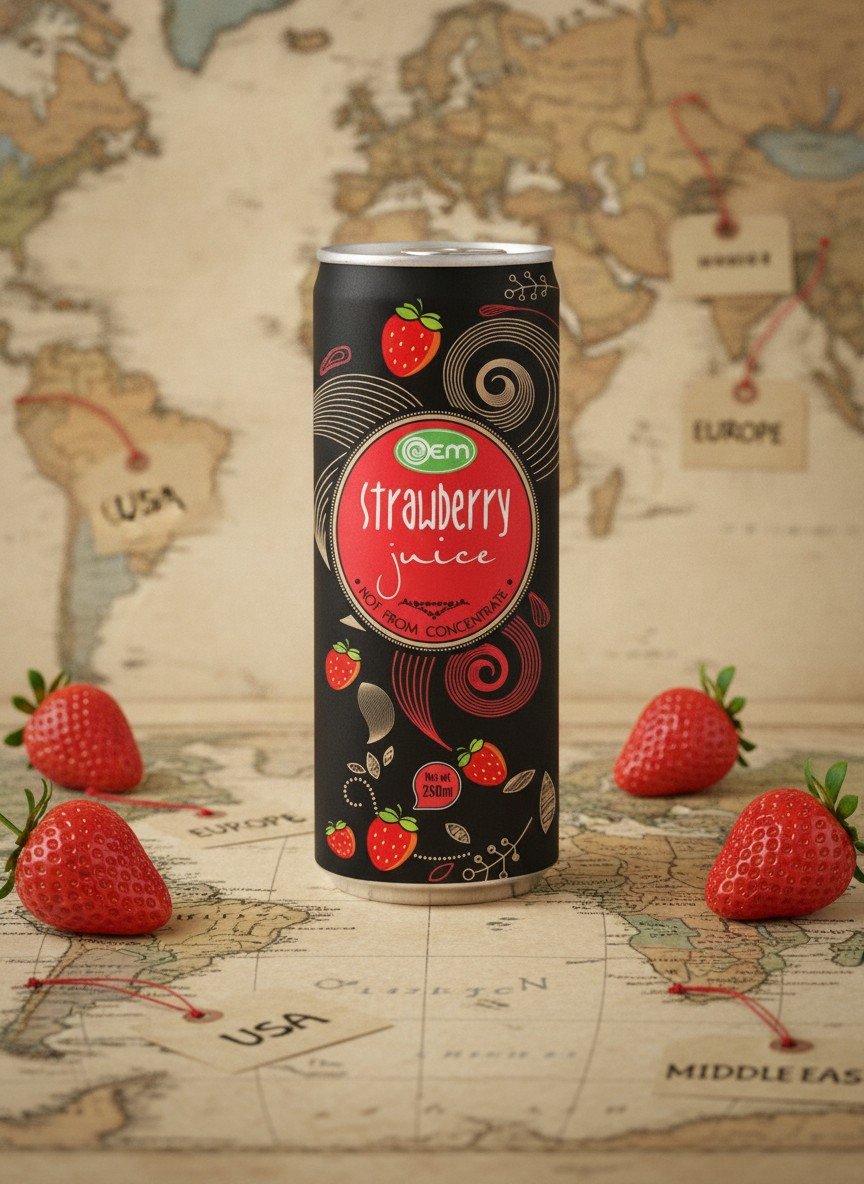
In Europe, the regulatory environment is stringent, with a strong emphasis on clean labels and sustainable packaging. A product like the 250ml OEM Strawberry Juice, which boasts a simple ingredient list and is packaged in infinitely recyclable aluminum, is well-positioned to meet these demands. The Middle East presents a different set of opportunities, driven by a young, affluent population with a high consumption rate of packaged beverages. The portability and heat-resistant nature of cans make them particularly suitable for this climate. A company like RITA Food & Drink Co., Ltd, a leading Vietnamese OEM manufacturer with a strong global export presence, can help brands tailor their products to meet the specific certification and formulation requirements of these diverse markets, leveraging its extensive experience in exporting to over 200 countries.
Navigating Certification and Quality Standards
For any brand looking to import fruit juice, adherence to international quality and safety standards is non-negotiable. Certifications such as ISO, HACCP, and HALAL are often prerequisites for market access, especially in the Middle East and parts of Asia. These certifications serve as a universal language of quality, assuring buyers that the manufacturing process meets rigorous global benchmarks. A product that comes with these certifications significantly reduces the risk and due diligence burden for importers, making it a more attractive and trustworthy proposition from the outset.
The production capabilities of the manufacturer are also a critical factor. A partner with a large production base, such as a capacity of 10,000 tons per month for canned products, offers the scalability needed to support growing demand. Furthermore, having a dedicated QC team ensures consistent product quality across every batch, which is vital for building a reliable brand reputation. For businesses exploring private label opportunities, the flexibility of OEM/ODM services allows for the creation of a unique product without the heavy investment in manufacturing infrastructure. This model is particularly effective for entering new markets with a localized brand.
The Future of Juice: Innovation and Consumer Preferences
Looking ahead, the fruit juice market will continue to be shaped by the tension between indulgence and wellness. Consumers are not willing to sacrifice taste, but they are more informed than ever about what goes into their drinks. This drives demand for products with no artificial colors, flavors, or preservatives. The success of a product like strawberry juice in a 250ml can hinges on its ability to deliver a pure, authentic fruit experience. Innovation will also come in the form of flavor combinations, with tropical and berry blends continuing to gain popularity. The visual appeal of the product, from the vibrant red of the strawberry juice to the sleek design of the can, will remain a crucial factor in driving impulse purchases.
For businesses in the F&B sector, the path forward involves a strategic blend of market insight, product quality, and supply chain efficiency. Partnering with an experienced OEM manufacturer allows brands to navigate these complexities effectively. By focusing on core product attributes like taste, packaging, and certification, and by leveraging manufacturing expertise in regions like Vietnam, companies can bring high-quality fruit juice products to the global stage. The 250ml OEM Strawberry Juice serves as a prime example of how a simple, well-executed product can meet the sophisticated demands of the modern consumer, offering a refreshing and convenient choice that aligns with current market trends. As the industry evolves, the brands that prioritize quality, convenience, and authenticity will be the ones that thrive.
Frequently Asked Questions
What is the typical shelf life of canned strawberry juice?
A standard 250ml canned strawberry juice, such as the OEM Strawberry Juice, typically has a shelf life of up to 24 months. This is due to the excellent barrier properties of the aluminum can, which protects the juice from light and oxygen, preserving its flavor and quality over time.
Is the OEM Strawberry Juice suitable for private labeling?
Yes, this product is specifically designed for OEM (Original Equipment Manufacturing) and private label partnerships. Brands can customize the formulation, label design, and packaging to create their own unique product for the market, leveraging the manufacturer's production capabilities and expertise.
What certifications are typically available for this product?
Products from reputable OEM manufacturers often come with key international certifications. These can include ISO, HACCP, and HALAL, which are crucial for ensuring food safety and meeting the import requirements of many global markets, including the Middle East and Europe.
What is the minimum order quantity for a product like this?
The minimum order quantity for a standard 250ml OEM Strawberry Juice is typically one 20-foot container. This volume allows for cost-effective production and shipping, making it an accessible entry point for new brands and distributors looking to test the market.
Newer news items:
- What Beverage Importers Need to Know About Sparkling Lime Juice Drink in 2026 - 01/08/2026 06:43
- What US Importers Need to Know About Sparkling Lemon Water in 2026 - 31/07/2026 06:37
- Basil Seed Drink with Pineapple Flavor — A Global OEM Opportunity in the Functional Beverage Market - 29/07/2026 06:36
- Exporting French Vanilla Coffee Drink from Vietnam A Complete Market Guide - 28/07/2026 06:29
- Sparkling Lemon Water With Real Fruit Slices 325ml Can Creating New Opportunities in the Global Soft Drink Market - 27/07/2026 06:27
Older news items:
- Sourcing Mix Fruit Juice from Vietnam — Quality, OEM, and Logistics - 24/07/2026 06:15
- What Importers Need to Know About Premium Real Grape Juice 10.9 Fl Oz in 2026 - 23/07/2026 06:04
- Kombucha Peach Flavour Can Trends in the Global Beverage Export Market - 22/07/2026 06:05
- Bici Bici 325ml Blackcurrant Drink — How Texture and Convenience Are Reshaping the Global Beverage Export Market - 21/07/2026 08:34
- Sourcing Bici Bici Grape Drink with Nata De Coco from Vietnam OEM for Global Markets - 21/07/2026 08:31