
What US Importers Need to Know About Sparkling Lemon Water in 2026
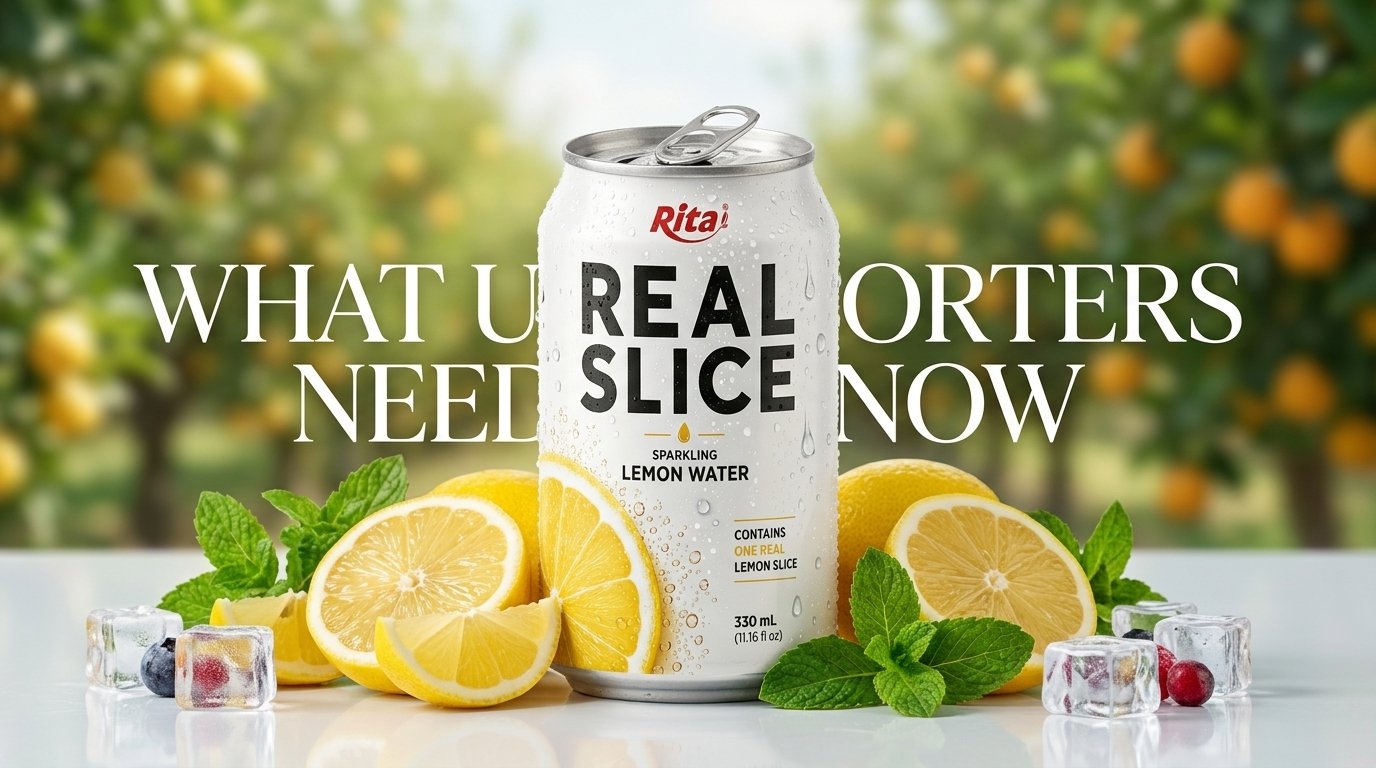
- The US market for sparkling lemon water with real fruit slices is projected to grow as consumers seek low-sugar, flavorful alternatives to traditional sodas.
- Importers must prioritize supply chain reliability and quality certifications, including BRC, FSSC 22000, and HALAL, to meet US retail standards.
- OEM partnerships with experienced manufacturers like RITA offer a strategic advantage for private label development and market entry.
- Product differentiation through real fruit ingredients and transparent labeling is a key driver of consumer trust and brand loyalty.
The State of the US Sparkling Water Market in 2026
The US sparkling water market is no longer a niche category; it has become a mainstream powerhouse. According to industry reports, the sector has seen consistent double-digit growth, driven by a broad shift away from sugary soft drinks.
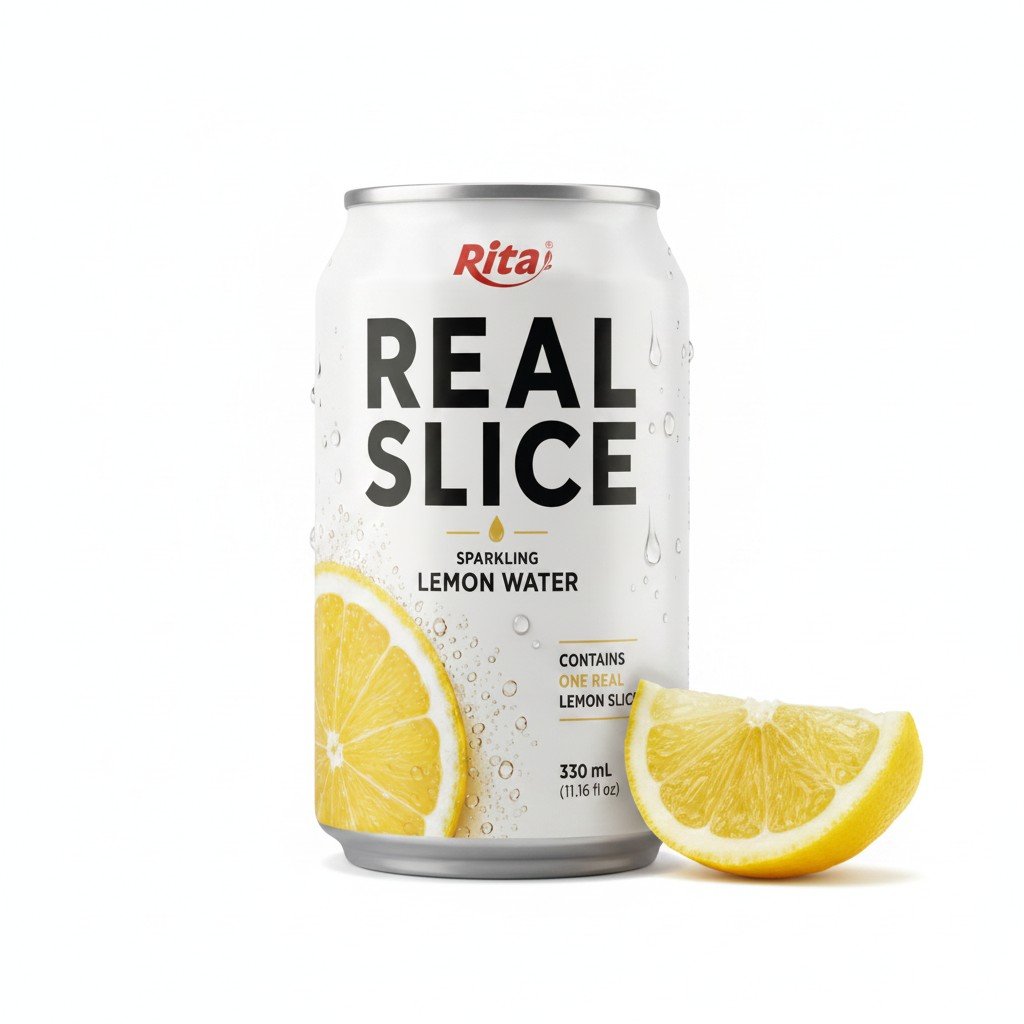
This trend is particularly pronounced among health-conscious millennials and Gen Z consumers, who are actively scrutinizing ingredient lists. They are not just looking for carbonation; they are seeking functional hydration and real, recognizable components. A can that prominently displays "CONTAINS ONE REAL LEMON SLICE" directly answers this call for authenticity. This visual and textual cue on the packaging builds immediate trust and sets the product apart from competitors relying on artificial flavors and essences.
For importers, this means that products like the Sparkling Lemon Water With Real Fruit Slices 325ml Can are perfectly positioned to capture shelf space in premium retail chains, specialty grocery stores, and even convenience outlets looking to upgrade their beverage offerings. The key is to align with a supplier who can guarantee consistent quality, supply chain reliability, and the necessary certifications to navigate the complex US import landscape.
Why Real Fruit Content Matters for US Consumers
The visual of a real lemon slice on the can is a powerful marketing tool. It communicates freshness and natural ingredients without the need for complex marketing jargon. This aligns perfectly with the "clean label" movement that has reshaped the food and beverage industry.
US consumers are increasingly skeptical of long ingredient lists filled with unpronounceable chemicals. A product that contains "one real lemon slice" offers a simple, verifiable claim. This transparency is a significant competitive advantage. For a distributor, this means a product that requires less education at the point of sale—the packaging itself does the heavy lifting of communicating value and quality.
Furthermore, the 325ml (11.16 fl oz) can size is ideal for the US on-the-go market. It is large enough to be satisfying but not so large that it becomes a burden to carry. The sleek aluminum can format also offers excellent branding opportunities, with a smooth surface that allows for high-quality printing and a premium feel that appeals to the target demographic.
Navigating the Import Landscape: Certifications and Compliance
Successfully importing a beverage into the United States requires more than just a great product. It demands meticulous attention to regulatory compliance and quality assurance. US retailers and distributors have stringent requirements for their suppliers, and having the right certifications is a non-negotiable entry ticket.
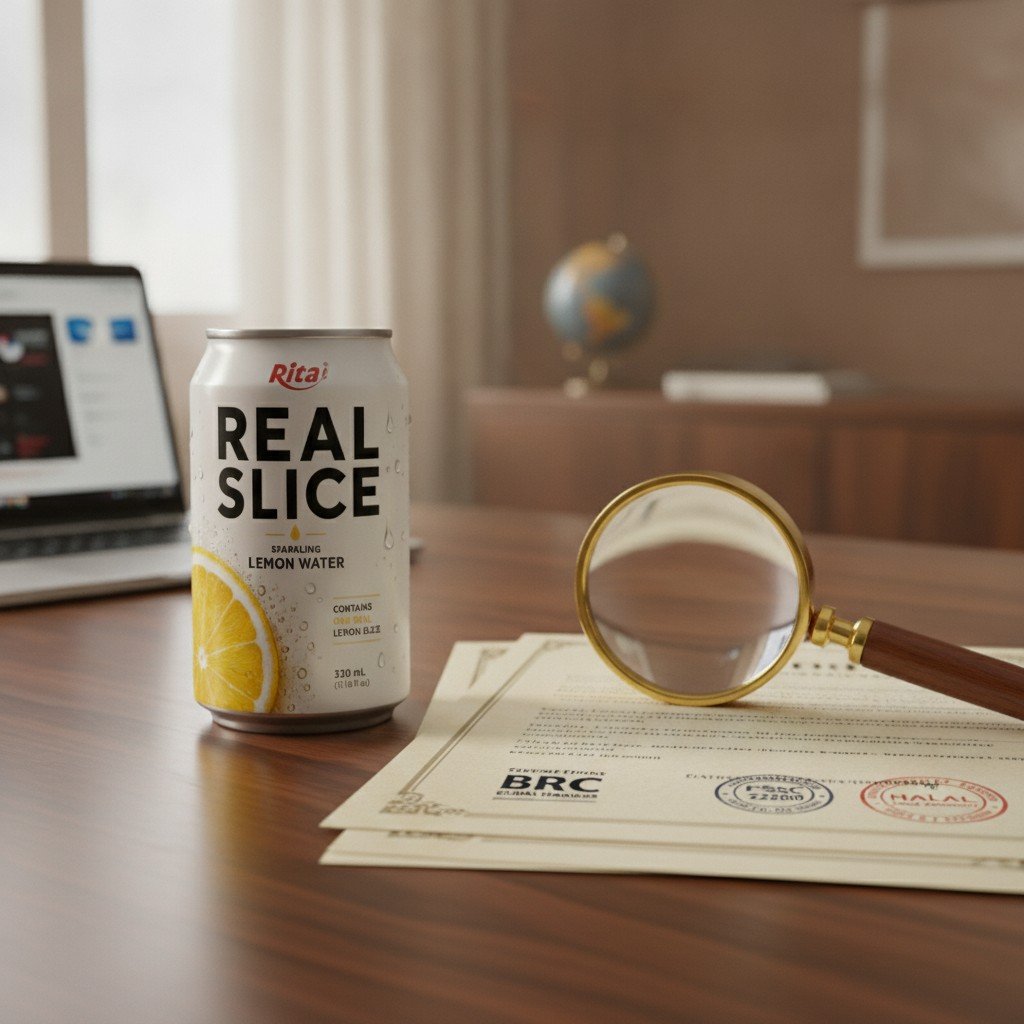
Products manufactured by a reputable OEM partner like RITA come with a suite of internationally recognized certifications. These include BRC, FSSC 22000, ISO, HACCP, and HALAL. For a US importer, these certifications are not just badges of honor; they are proof of a robust food safety management system. They assure buyers that the product has been manufactured under the highest standards of hygiene and quality control, minimizing the risk of recalls or compliance issues.
When evaluating a potential supplier for sparkling lemon water with real fruit slices, importers should specifically ask for documentation related to FDA compliance and facility audits. A manufacturer with a strong track record of exporting to global markets, including the US, will have this documentation readily available. This pre-verified quality framework can significantly shorten the due diligence process and accelerate time-to-market.
Supply Chain Reliability: A Critical Factor for Success
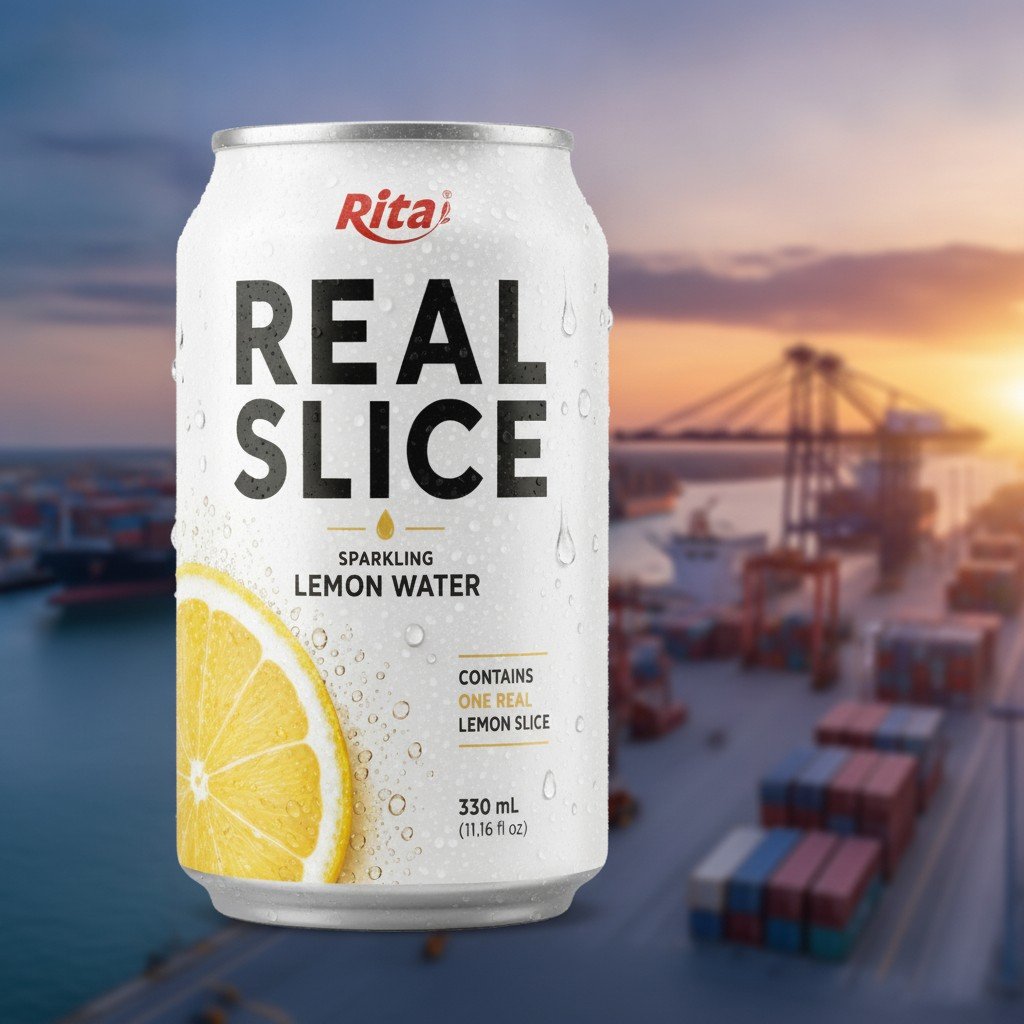
In the current global trade environment, supply chain resilience is as important as product quality. US importers need partners who can consistently deliver large volumes on time, especially during peak seasons. The ability to supply 300 twenty-foot containers per month, as demonstrated by leading Vietnamese manufacturers, provides a significant level of supply security.
This capacity is supported by a vast production infrastructure. With over 50 production lines and a factory area exceeding 30,000 m², a manufacturer like RITA has the scale to handle orders of any size. For a US distributor planning a national launch or a major retail promotion, this scale ensures that supply can meet demand without interruption. The 20-25 day delivery time post-order confirmation is also a competitive advantage, allowing for more agile inventory management.
Moreover, the flexibility in packaging options (from 200ml to 500ml cans, PET, and glass bottles) allows importers to tailor the product for different channels—smaller cans for convenience stores and larger formats for family packs in supermarkets. This kind of supply chain agility is a major asset in the fast-paced US beverage market.
OEM and Private Label Opportunities in the US Market
For many US beverage brands, the most efficient path to market is through an OEM (Original Equipment Manufacturer) or ODM (Original Design Manufacturer) partnership. Instead of investing millions in building a production facility, brands can leverage the expertise and infrastructure of established manufacturers in Vietnam, a country that has become a global hub for beverage production.
RITA, for example, offers comprehensive OEM and ODM services. This means a US brand can bring a concept for a sparkling lemon water with real fruit slices to the table, and the manufacturer will handle everything from formulation and flavor optimization to packaging design and production. This allows brands to focus on marketing, distribution, and sales, which are their core competencies.
The ability to customize the product is a major draw. Whether an importer wants a specific sweetness level, a unique blend of fruit slices, or a proprietary can design, an experienced OEM partner can make it happen. This flexibility is crucial for differentiating a product in a crowded market. By working with a partner that has deep expertise in fruit-based beverages, US importers can launch a premium, high-quality product with a significantly lower capital investment and a faster time-to-market than building a domestic facility.
Cost Advantages and Quality Assurance from Vietnam
Vietnam has emerged as a leading source for high-quality, cost-effective beverage manufacturing. The country benefits from a strong agricultural sector, providing easy access to fresh fruits like lemons, and a skilled workforce. This translates into competitive FOB pricing for US importers, allowing for healthy margins at the retail level.
However, low cost does not mean low quality. Leading Vietnamese manufacturers adhere to strict international standards. The combination of BRC, FSSC 22000, and HALAL certifications ensures that the product meets the rigorous safety and quality expectations of the US market. This balance of cost and quality is a powerful value proposition for any importer.
Furthermore, the strategic location of Vietnamese ports provides efficient shipping routes to the US West Coast. Combined with a strong supply chain infrastructure, this ensures that products arrive fresh and on schedule. For importers looking to build a reliable and profitable beverage line, the Vietnamese manufacturing ecosystem offers a compelling and proven model for success.
Strategic Recommendations for US Importers in 2026
To successfully capitalize on the sparkling lemon water with real fruit slices trend, US importers should adopt a strategic approach that prioritizes partnership and quality. The first step is to conduct thorough due diligence on potential manufacturing partners, focusing on their certification portfolio, production capacity, and export experience.
Next, importers should look beyond the base product and explore customization options. A unique flavor profile, a distinctive can design, or a specific fruit slice combination can create a strong brand identity that resonates with consumers. The goal is to offer a product that stands out on the shelf and tells a compelling story of authenticity and quality.
Finally, building a long-term partnership with a reliable manufacturer is key. The beverage industry is cyclical, and having a partner who can scale production up or down as demand fluctuates is invaluable. By establishing a strong relationship with an OEM partner like RITA's OEM service, importers can secure a stable, high-quality supply chain that supports sustained growth and market leadership in the dynamic US beverage landscape of 2026.
Frequently Asked Questions
What is the shelf life of a typical sparkling lemon water can?
Most premium sparkling lemon water products, such as those produced in aluminum cans, have a shelf life of up to 24 months when stored in a cool, dry place. This extended shelf life makes them ideal for import and long-term retail storage.
What certifications should I look for when importing from Vietnam?
For US importers, key certifications include BRC, FSSC 22000, HACCP, and ISO. A HALAL certification is also beneficial for reaching a broader consumer base. These certifications guarantee that the product meets international food safety and quality standards.
What is the typical minimum order quantity (MOQ) for OEM production?
The MOQ for OEM production can vary, but for a product like sparkling lemon water in a 325ml can, a common starting point is around 500 cartons. This allows manufacturers to efficiently set up production lines while offering importers a manageable initial order size for market testing.
How can I ensure the product contains real fruit slices as advertised?
Reputable manufacturers will provide detailed ingredient specifications and may offer video evidence of the production process. The packaging itself often features transparent windows or clear labeling, like "CONTAINS ONE REAL LEMON SLICE," which is a verifiable claim backed by the manufacturer's quality control processes.
Newer news items:
- Sourcing Coconut Water With Matcha Flavor from Vietnam — Quality, OEM, and Logistics - 06/08/2026 07:55
- How 350ml OEM Pet Bottle Latte Coffee Is Reshaping Consumer Preferences in the US Market - 05/08/2026 07:04
- The Rise of Premium Grape Juice in the US Market — Insights for Buyers - 04/08/2026 06:57
- Almond Milk in a Can — The OEM Opportunity for US and European Importers - 03/08/2026 06:50
- What Beverage Importers Need to Know About Sparkling Lime Juice Drink in 2026 - 01/08/2026 06:43
Older news items:
- Basil Seed Drink with Pineapple Flavor — A Global OEM Opportunity in the Functional Beverage Market - 29/07/2026 06:36
- Exporting French Vanilla Coffee Drink from Vietnam A Complete Market Guide - 28/07/2026 06:29
- Sparkling Lemon Water With Real Fruit Slices 325ml Can Creating New Opportunities in the Global Soft Drink Market - 27/07/2026 06:27
- Strawberry Juice in Aluminum Cans — Redefining Convenience for the Global Beverage Market - 25/07/2026 06:22
- Sourcing Mix Fruit Juice from Vietnam — Quality, OEM, and Logistics - 24/07/2026 06:15