
How 350ml OEM Pet Bottle Latte Coffee Is Reshaping Consumer Preferences in the US Market
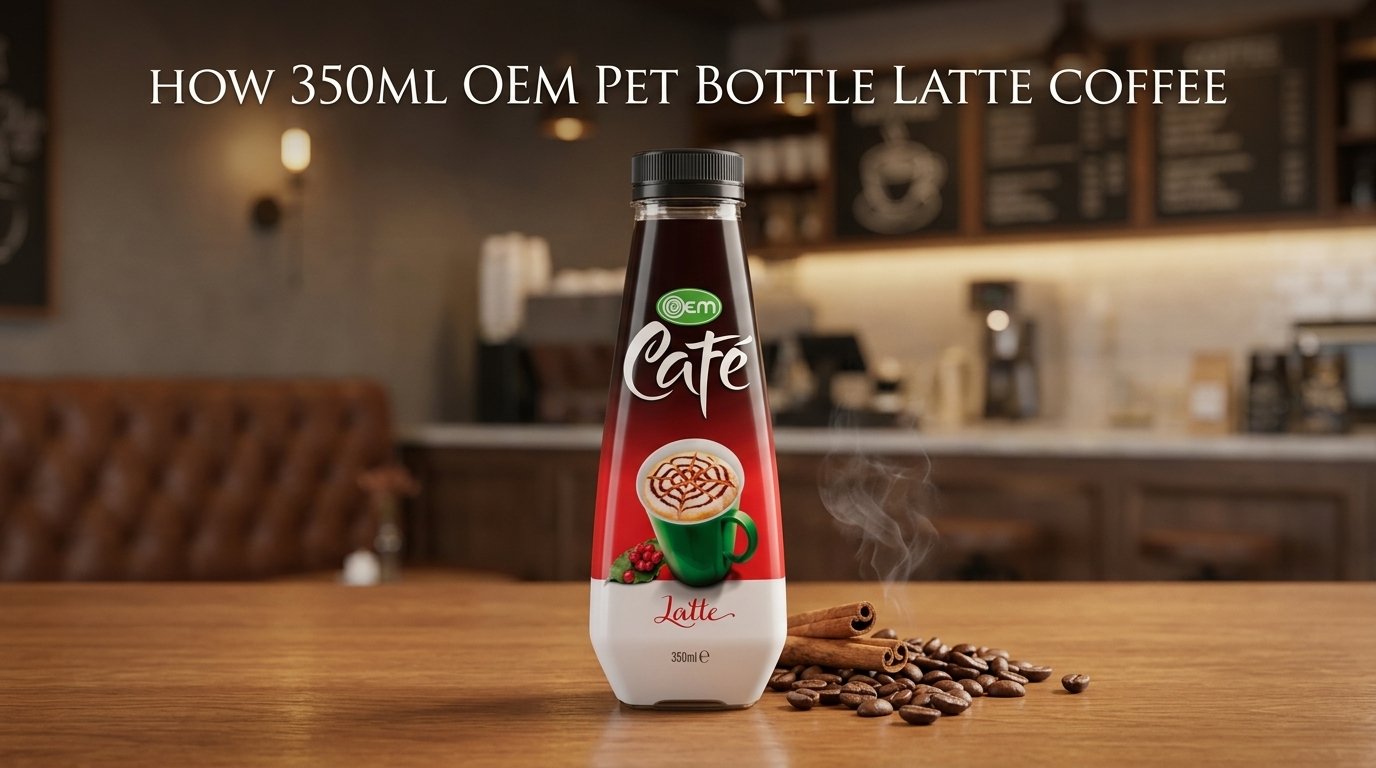
For businesses seeking to enter this dynamic market, understanding the product's potential is key. The 350ml OEM Pet Bottle Latte Coffee exemplifies the ideal combination of convenience, visual appeal, and customizable branding that the US market demands.
Key Takeaways
- The US RTD coffee market is booming, driven by demand for premium, on-the-go options like the 350ml PET bottle latte coffee.
- PET packaging offers significant advantages in terms of lightweight logistics, durability, and brand customization for OEM partners.
- Consumer preferences are shifting towards authentic flavor profiles and visually appealing product designs, which a well-executed latte coffee can deliver.
- Southeast Asian manufacturers, particularly from Vietnam, are well-positioned to meet this demand with high-quality, cost-effective OEM solutions.
- Understanding the specific retail and regulatory landscape of the US is critical for successful market entry and distribution.
The Rise of RTD Coffee in the United States
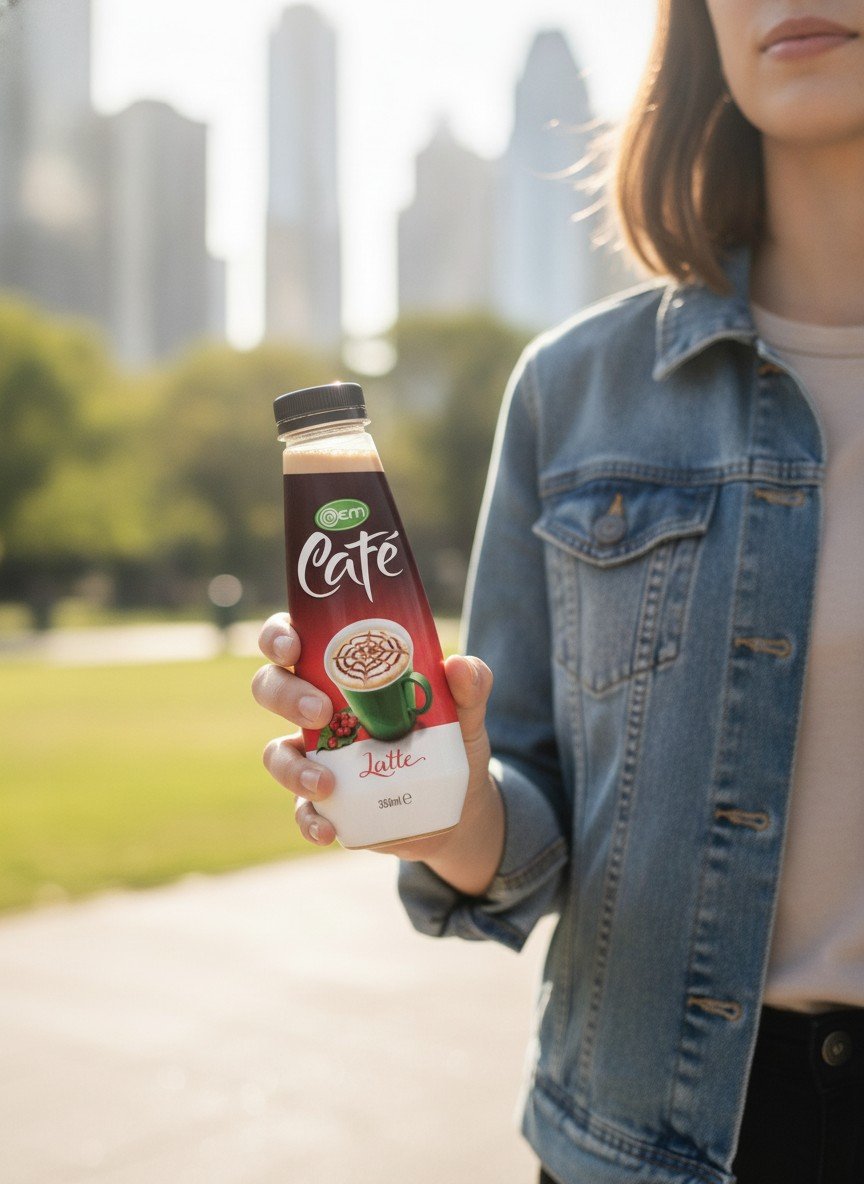
The American coffee drinker is evolving. No longer satisfied with just a basic cup of black coffee, they seek variety, flavor, and functionality. This has fueled an unprecedented surge in the RTD coffee market.
According to recent industry reports, the US RTD coffee market is projected to grow at a compound annual growth rate (CAGR) of over 8% through the next five years. This growth is not just about volume; it's about value. Consumers are trading up from traditional canned options to more sophisticated offerings in PET bottles and glass containers.
The 350ml PET bottle format has emerged as a sweet spot. It is large enough to be satisfying but small enough to be truly portable. This size is ideal for the morning commute, an afternoon pick-me-up, or a quick break during a busy day. The clear PET material also allows the rich, creamy color of a latte to be fully visible, creating an immediate visual appeal on the shelf.
This visual appeal is a critical factor. In a crowded retail environment, the product must stand out. A beautifully designed label, combined with the appetizing look of the beverage itself, can significantly influence a purchase decision. This is where the OEM model becomes incredibly powerful, allowing brands to create a unique visual identity.
Why PET Bottles Are Winning
While glass bottles offer a premium feel, they are heavy and fragile. Aluminum cans are durable but often associated with energy drinks or lower-quality coffee. The PET bottle offers a compelling middle ground.
It is lightweight, significantly reducing shipping costs for importers. It is shatterproof, making it ideal for vending machines, convenience stores, and on-the-go consumption. Furthermore, modern PET technology provides excellent barrier properties, preserving the freshness and flavor of the latte coffee for its entire shelf life.
For an OEM partner like RITA Food & Drink Co., Ltd, the ability to offer a 350ml PET bottle is a strategic advantage. This format aligns perfectly with the logistical and retail demands of the US market, from the port of entry to the final point of sale.
Consumer Demographics: Who Is Driving This Shift?
Understanding the consumer is the first step to capturing the market. The primary demographic driving the RTD latte coffee trend in the US is surprisingly broad, but a few key segments stand out.
Millennials and Gen Z: This demographic values convenience and experience above all. They are willing to pay a premium for a product that fits their on-the-go lifestyle and offers a moment of indulgence. The 350ml PET bottle latte coffee is a perfect fit for their daily routine.
These younger consumers are also highly influenced by social media. A visually striking product is more likely to be shared online, creating organic brand awareness. The clear bottle showcasing the latte's texture and color is a powerful marketing tool in itself.
The Health-Conscious Consumer: While we cannot make health claims, the trend towards cleaner labels and recognizable ingredients is undeniable. Consumers are reading labels and looking for products with simple, natural components. A latte coffee made with real milk and high-quality coffee extract appeals to this mindset.
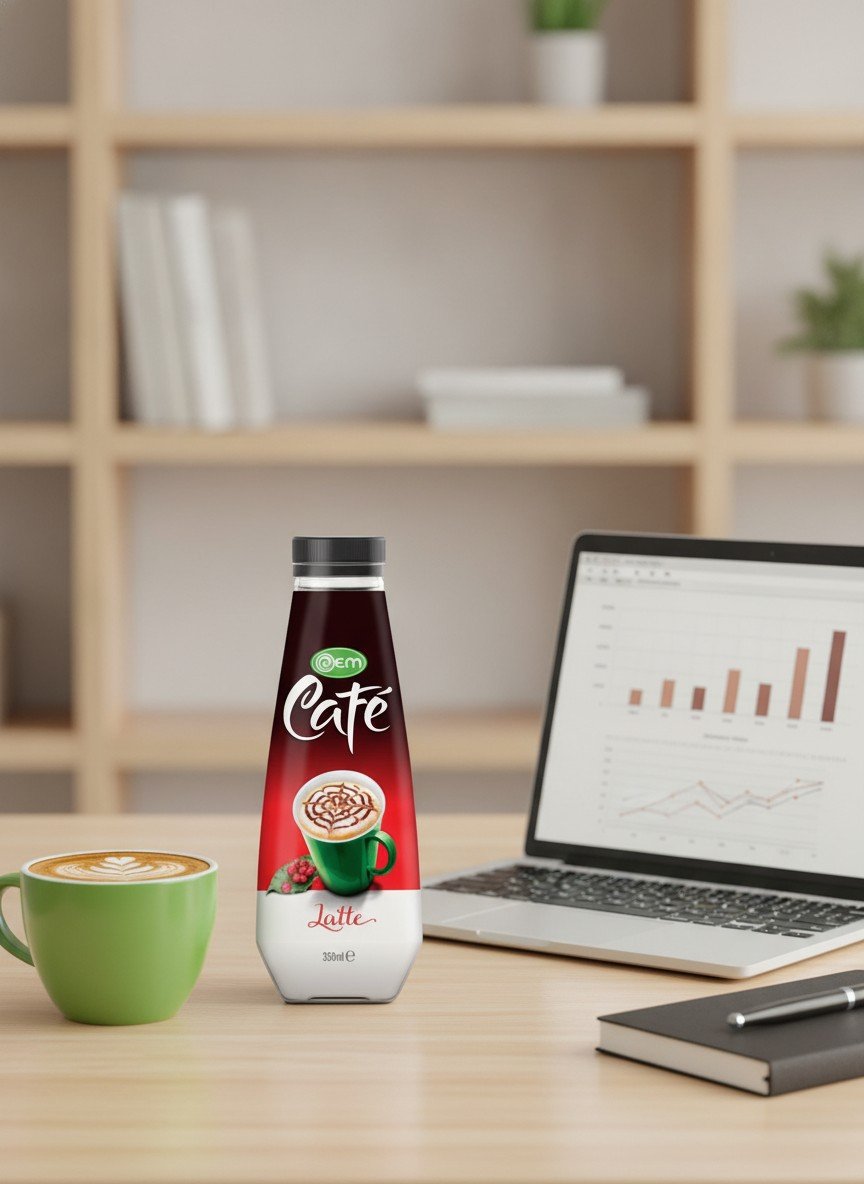
The Busy Professional: Time is a luxury. For the working professional, the ability to grab a high-quality latte from a convenience store cooler without waiting in line at a coffee shop is a significant value proposition. The 350ml size is perfect for a single serving during a work break.
Tapping into the Flavor and Experience
The latte itself is a universally loved coffee format. Its smooth, creamy texture and balanced flavor profile make it less intimidating than a black coffee or an espresso. This broad appeal is a key reason for its success in the RTD format.
Manufacturers like RITA, with extensive experience in the coffee drinks category, understand the importance of achieving the right flavor balance. The sweetness, the coffee strength, and the milkiness must all be perfectly calibrated to appeal to the American palate, which often prefers a slightly sweeter, creamier latte compared to its European counterpart.
The ability to customize this flavor profile is a core benefit of the OEM model. An importer can work directly with the producer to develop a signature blend that resonates with their target audience.
The OEM Advantage: Customization and Scale
For a distributor or brand looking to enter the US market, building a production facility from scratch is prohibitively expensive and time-consuming. This is where the OEM (Original Equipment Manufacturer) model provides a clear path to market.
Partnering with an established manufacturer like RITA Food & Drink Co., Ltd offers immediate access to world-class production capabilities. RITA operates over 50 modern production lines across a 30,000 m² facility, with a monthly capacity of approximately 1,200 containers. This scale ensures that even large initial orders can be fulfilled on time.
Furthermore, the OEM model allows for complete brand control. The product is manufactured to the buyer's exact specifications, from the flavor formula to the label design. This is particularly important in the US market, where brand identity and shelf appeal are paramount.
The certifications held by RITA—including ISO, HACCP, HALAL, and FDA compliance—provide the necessary assurance for US importers. These certifications are not just paperwork; they are a testament to a rigorous quality control system that ensures every bottle meets international standards. The company's professional QC team of 20 experts oversees every step of the production process.
Navigating the US Regulatory Landscape
Importing food and beverages into the United States requires strict adherence to FDA regulations. This includes proper labeling, ingredient declarations, and facility registration. A competent OEM partner will have experience navigating these requirements.
RITA’s long history of exporting to over 200 countries and territories, including the US, means they are well-versed in these compliance issues. They can guide their partners through the process, ensuring that the final product is ready for retail shelves without any legal hurdles.
This expertise extends to the formulation itself. The manufacturer can help ensure that the product meets all US standards for food additives, preservatives, and nutritional labeling, reducing the risk for the importer.
Market Opportunities and Distribution Channels
The 350ml PET bottle latte coffee is not just a product; it is a versatile SKU that can be sold through multiple channels. Understanding these channels is key to a successful go-to-market strategy.
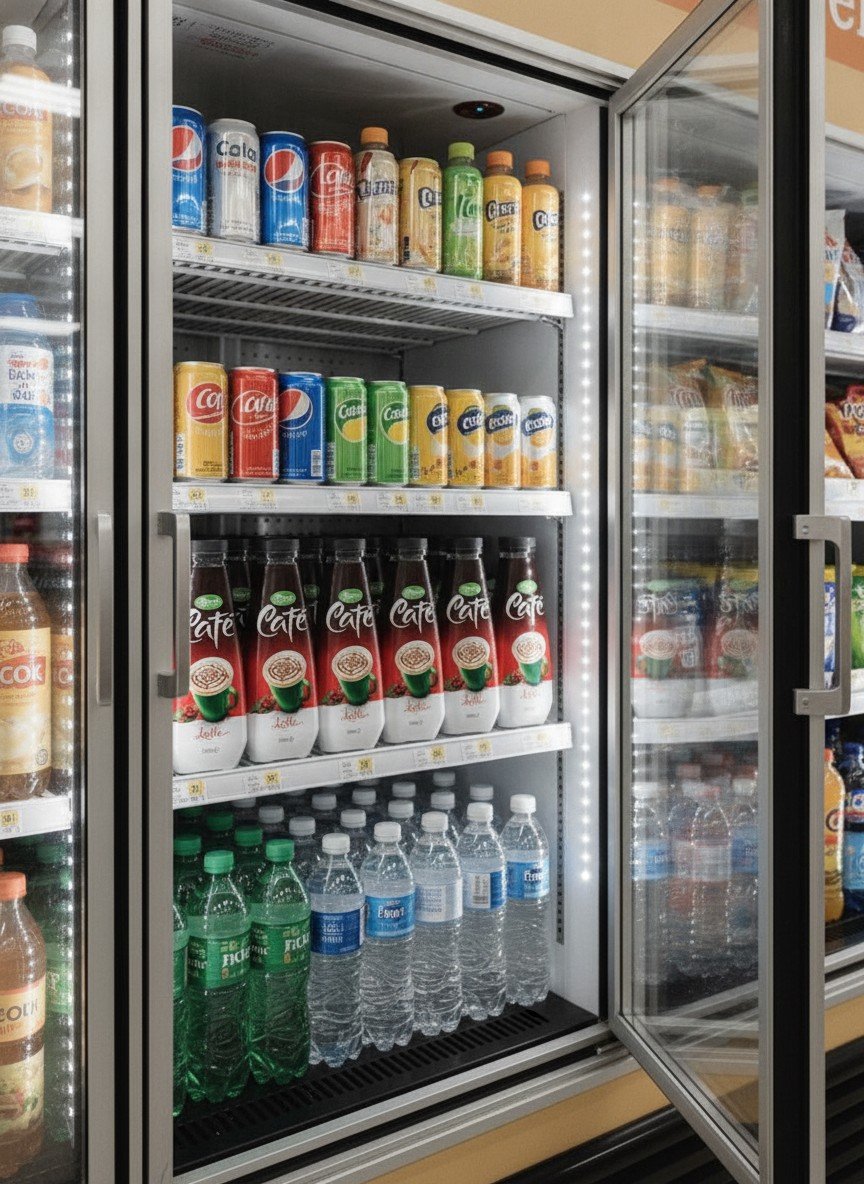
Convenience Stores (C-Stores): This is the primary battleground for RTD coffee. Chains like 7-Eleven, Circle K, and Wawa are constantly looking for new, high-margin products to place in their coolers. The 350ml PET bottle is the perfect size for this channel.
Supermarkets and Grocery Stores: The coffee aisle in major supermarkets is expanding rapidly. Products are being placed not just in the coffee section but also in the dairy and chilled juice sections. The visual appeal of the PET bottle helps it compete for attention.
Vending Machines: The durability and lightweight nature of PET make it ideal for vending. This channel offers a high-margin opportunity for products that can command a premium price point.
E-commerce and Direct-to-Consumer (D2C): Online grocery sales are growing, and RTD coffee is a popular category for subscription models. The lightweight nature of PET bottles reduces shipping costs, making this channel more profitable.
The supply ability of a manufacturer like RITA—200 twenty-foot containers per month for canned and PET bottle production—ensures that partners can scale their distribution quickly as demand grows. The typical delivery time of 20-25 days after order confirmation allows for efficient inventory management.
Frequently Asked Questions
What is the typical shelf life of a 350ml PET bottle latte coffee?
The standard shelf life for this product is 18 months when stored in a cool, dry place away from direct sunlight. This long shelf life is a significant advantage for importers and distributors, allowing for efficient inventory management and reduced waste.
What are the minimum order quantities for OEM production?
The minimum order quantity (MOQ) is typically one 20-foot container. This allows new brands to test the market with a manageable initial investment. As demand grows, larger orders can be placed to benefit from economies of scale.
Can the flavor profile of the latte coffee be customized?
Yes, a key advantage of the OEM model is the ability to customize the formulation. You can adjust the sweetness, coffee intensity, and milk content to perfectly match the preferences of your target consumers in the US market.
What certifications does the manufacturer hold for export to the US?
Reputable manufacturers like RITA hold essential certifications including ISO, HACCP, and HALAL. Most importantly, they comply with FDA regulations, which is a mandatory requirement for all food and beverage products imported into the United States.
How does the cost of a PET bottle latte compare to a glass bottle version?
PET bottles are generally more cost-effective than glass bottles due to lower material costs and significantly reduced shipping weight. This makes the PET format a more affordable option for both the importer and the end consumer, without sacrificing quality or shelf appeal.
Newer news items:
- Bici Bici 325ml Pineapple Drink With Nata De Coco Creating New Opportunities in the Global Juice Market - 12/08/2026 08:05
- What Importers Need to Know About the Pineapple Drink With Nata De Coco Market - 11/08/2026 08:02
- Exporting Bici Bici 325ml Strawberry Drink With Nata De Coco from Vietnam — A Complete Market Guide - 10/08/2026 07:58
- Discover the World of Beverages with Rita at VietFood & Beverage 2026 - 08/08/2026 07:09
- Sourcing Coconut Water With Matcha Flavor from Vietnam — Quality, OEM, and Logistics - 06/08/2026 07:55
Older news items:
- The Rise of Premium Grape Juice in the US Market — Insights for Buyers - 04/08/2026 06:57
- Almond Milk in a Can — The OEM Opportunity for US and European Importers - 03/08/2026 06:50
- What Beverage Importers Need to Know About Sparkling Lime Juice Drink in 2026 - 01/08/2026 06:43
- What US Importers Need to Know About Sparkling Lemon Water in 2026 - 31/07/2026 06:37
- Basil Seed Drink with Pineapple Flavor — A Global OEM Opportunity in the Functional Beverage Market - 29/07/2026 06:36