
What Importers Need to Know About the Pineapple Drink With Nata De Coco Market
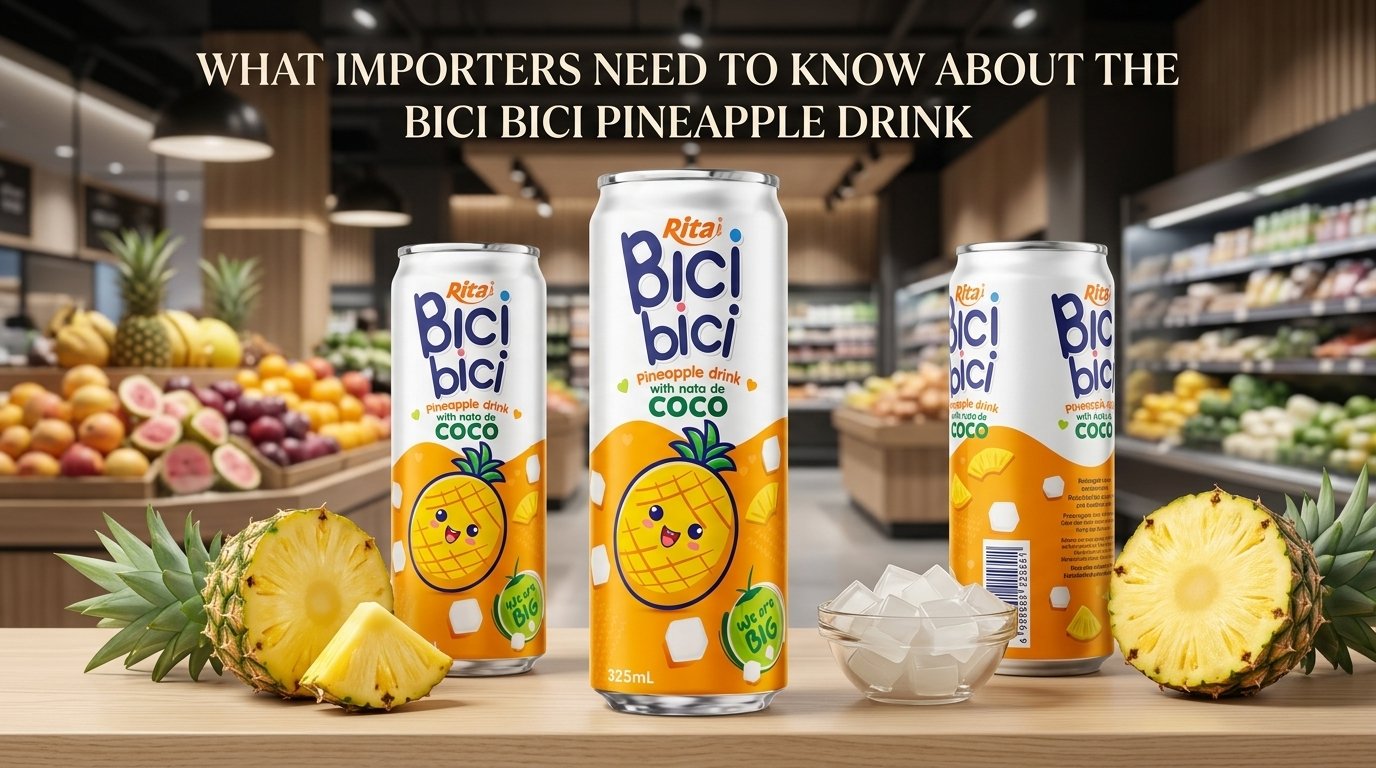
This analysis delves deep into the market forces shaping this segment. We will explore the key trends, target markets, and supply chain considerations that define the modern trade of these beverages. Our focus is on providing actionable insights for B2B buyers, from sourcing strategies to understanding consumer behavior in key global regions. The product, as exemplified by offerings like the Bici Bici 325ml Pineapple Drink With Nata De Coco (wide Opening Can), serves as a perfect case study for the category's potential.
- The global market for fruit drinks with inclusions is expanding, with the pineapple drink with nata de coco market leading in flavor innovation.
- Packaging innovation, such as the wide-opening can, is a critical driver for consumer adoption in the USA and Europe.
- Vietnam has emerged as a dominant manufacturing hub, offering OEM solutions with strong quality certifications (ISO, HACCP, HALAL).
- Importers should focus on products that balance authentic tropical taste with a convenient, premium format.
- Strategic partnerships with experienced manufacturers are key to navigating logistics and regulatory compliance.
The Rise of Texturally Enhanced Tropical Beverages
The modern consumer craves experience. A simple juice is no longer enough; they want a multi-sensory journey. This is where the combination of pineapple and nata de coco shines. The sweet, tangy profile of pineapple juice pairs perfectly with the chewy, jelly-like texture of nata de coco. This pairing creates a 'drinkable snack' that satisfies both thirst and the desire for something more substantial.
Market data from 2026 indicates a strong upward trajectory for this category. According to industry reports from sources like BeverageDaily and FoodNavigator-Asia, the fusion beverage market is projected to reach USD 14.6 billion by 2036, growing at a CAGR of 6.1%. This growth is fueled by the demand for functional refreshment and fruit-based blends. The pineapple drink with nata de coco market is perfectly positioned to capture a significant share of this expansion.
Why Pineapple and Nata De Coco Work
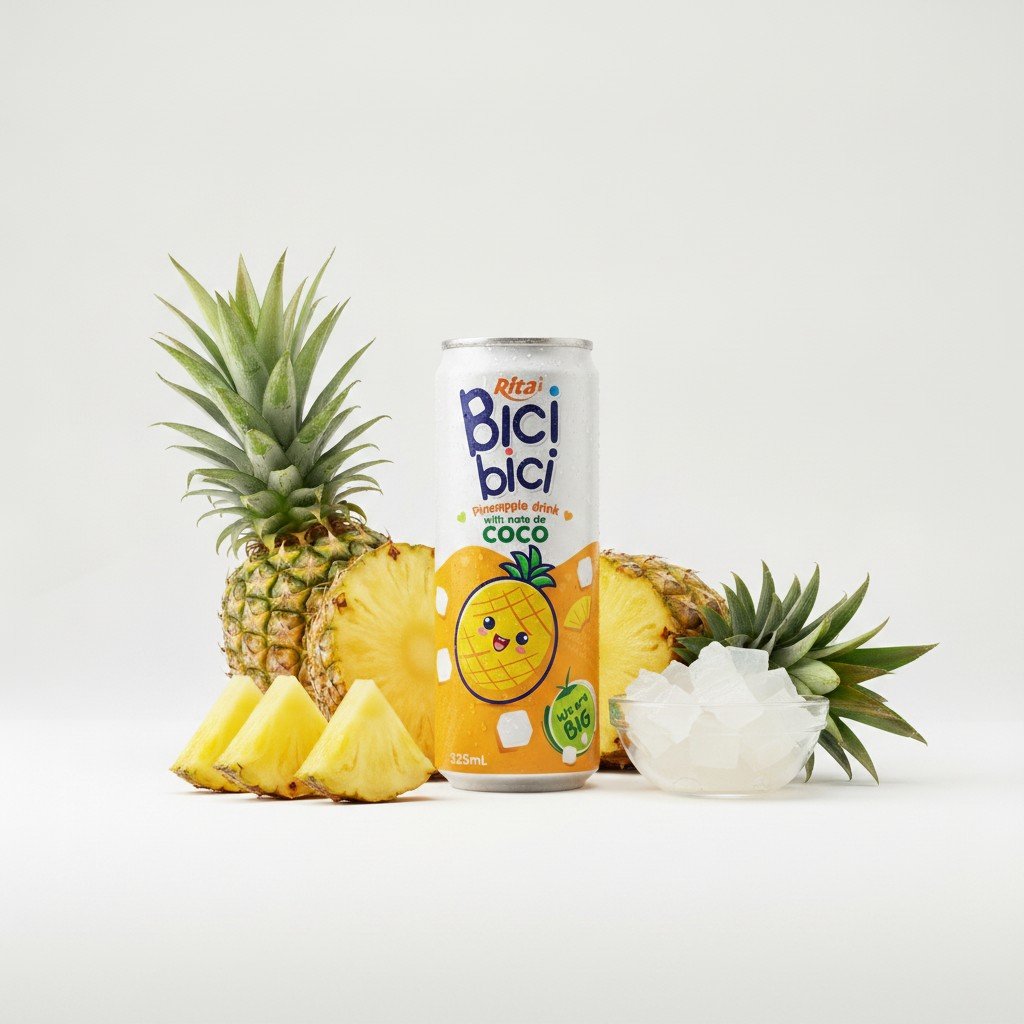
The synergy is undeniable. Pineapple provides a universally loved, vibrant flavor. Nata de coco adds a textural contrast that is both satisfying and novel. This combination appeals across demographics, from children seeking a fun treat to adults looking for a refreshing, non-alcoholic option. It bridges the gap between a beverage and a dessert, creating a unique value proposition for retailers.
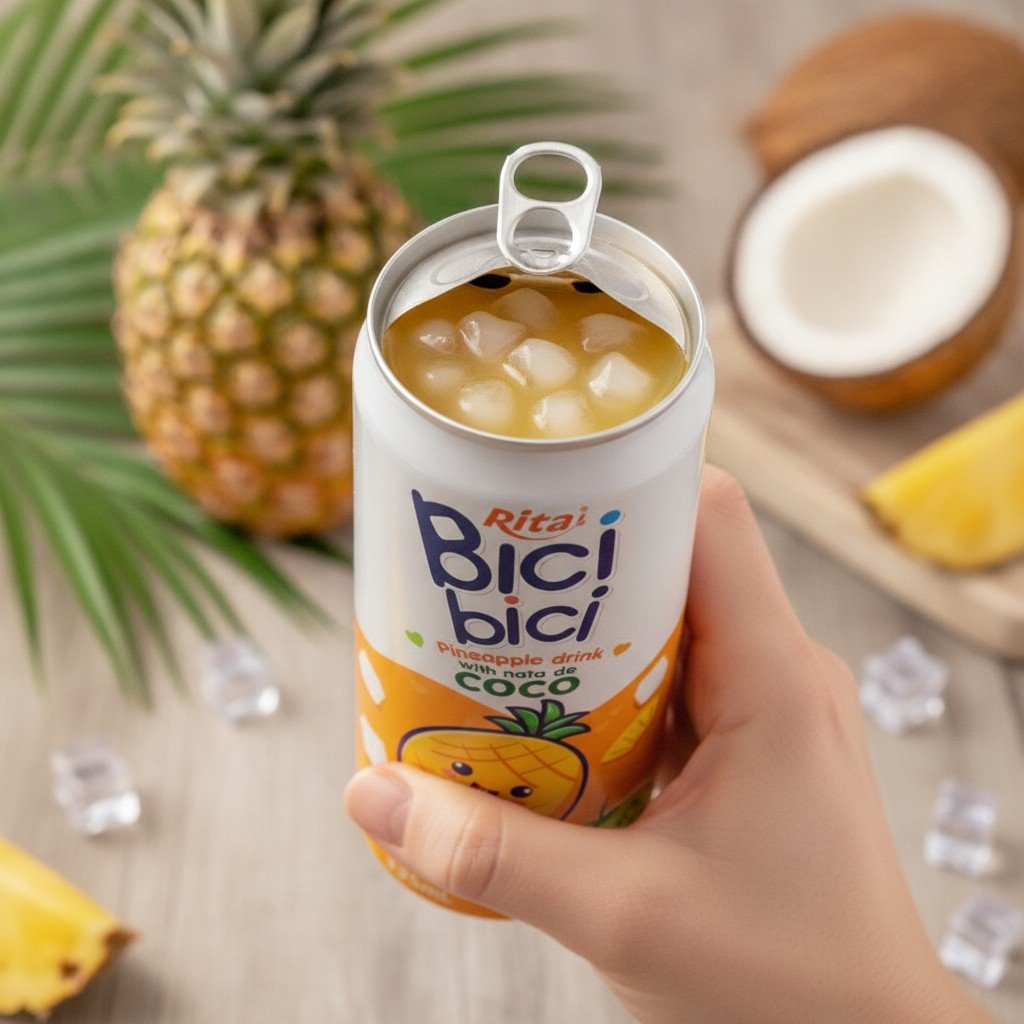
For importers, this means a product with high shelf appeal and repeat purchase potential. The visual of the clear nata de coco pieces suspended in the golden pineapple juice is instantly recognizable and appetizing. It tells a story of quality and exoticism without requiring extensive marketing. This inherent appeal reduces the barrier to entry for new brands entering competitive markets like the USA or Europe.
Target Market Analysis: USA and Europe
For a product like the pineapple drink with nata de coco, the primary target markets are the United States and Europe. These regions have mature beverage sectors with a high appetite for innovation. Consumers in these markets are increasingly seeking out authentic international flavors and convenient, on-the-go formats. The wide-opening can, in particular, addresses a key pain point: ease of consumption.
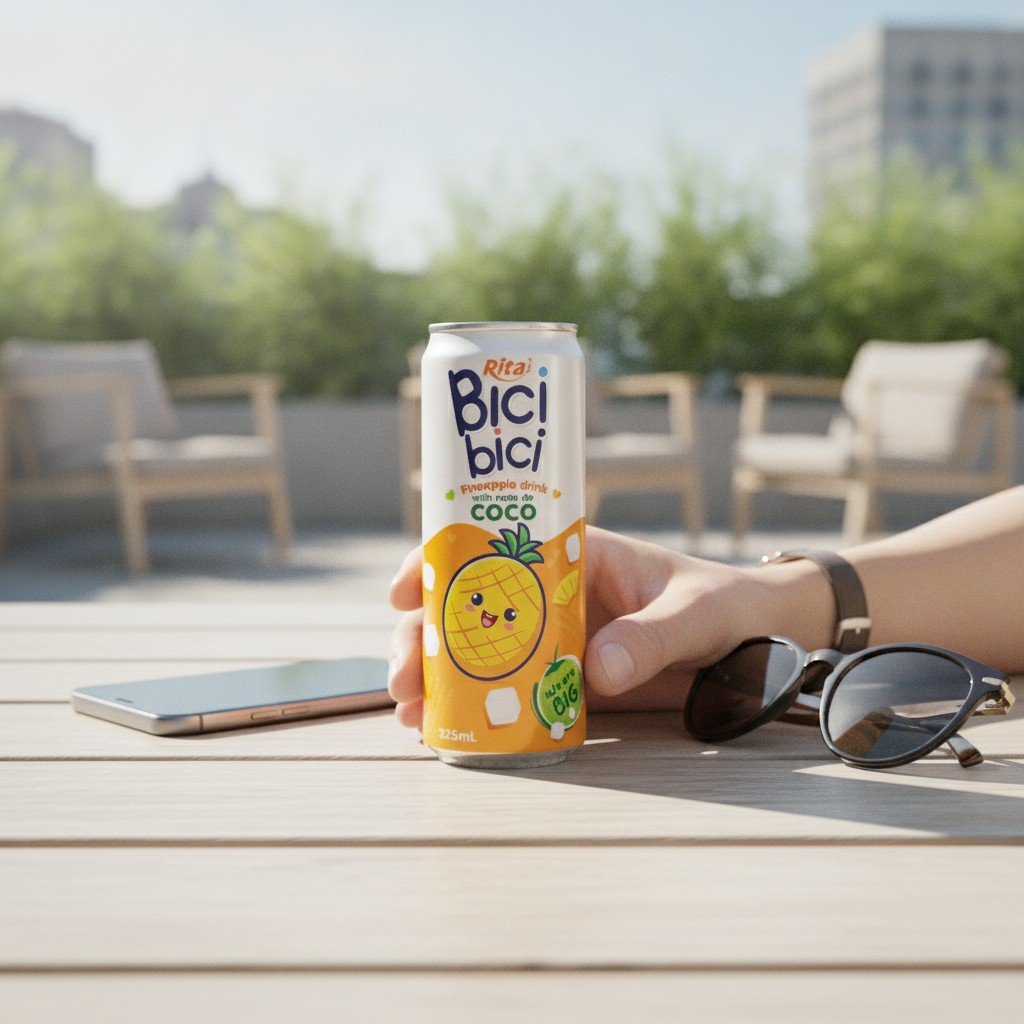
The USA market is currently experiencing a boom in 'functional' and 'experiential' beverages. Trends like 'dirty soda' and the rise of ready-to-drink (RTD) innovations show that consumers are willing to experiment. A product like the pineapple drink with nata de coco market offering fits neatly into this trend. It provides a premium, 'better-for-you' alternative to traditional carbonated soft drinks, leveraging the natural appeal of fruit juice.
Consumer Preferences in Europe
European consumers are particularly discerning. They prioritize clean labels, natural ingredients, and authentic sourcing. A product manufactured in Vietnam, a country with a strong reputation for tropical fruit production, can leverage this provenance. Certifications like HALAL, BRC, and FSSC 22000, which are often held by top Vietnamese manufacturers like RITA, are crucial for gaining trust and listing with major European retailers.
The European market also values sustainability and packaging innovation. The wide-opening can is not only convenient but also recyclable, aligning with the eco-conscious values of many European shoppers. This dual benefit—convenience and sustainability—makes the format a powerful tool for importers. By partnering with a supplier that offers robust OEM services, brands can tailor the sweetness, flavor intensity, and packaging design to local tastes.
Supply Chain and Manufacturing Excellence
Sourcing a high-quality pineapple drink with nata de coco requires a reliable manufacturing partner. Vietnam has emerged as a global hub for this category, offering a unique combination of raw material access and advanced production capabilities. Companies like RITA Food & Drink Co., Ltd., with over 50 production lines and a capacity of 1,200 containers per month, exemplify the scale and quality available in the region.
The importance of certifications cannot be overstated. For B2B buyers, a product that comes with HALAL, HACCP, ISO, and FDA certifications reduces risk and accelerates time-to-market. These certifications are not just logos on a website; they represent a commitment to rigorous quality control, food safety, and ethical manufacturing. This is a critical factor when targeting regulated markets like the USA and Europe.
Packaging as a Competitive Advantage
The shift towards the wide-opening can is a game-changer. Traditional cans can be frustrating for products with inclusions like nata de coco. The wide opening allows consumers to easily spoon out the chewy pieces, enhancing the overall experience. This seemingly small innovation significantly impacts consumer satisfaction and brand perception. It signals that the manufacturer understands the user experience.
For importers, this packaging format also offers logistical advantages. Aluminum cans are lightweight, durable, and have a long shelf life (typically 24 months). They are easy to stack, ship, and store. When combined with a minimum order quantity (MOQ) that is accessible for mid-sized distributors, such as 500 cartons, the barriers to entry are lowered. The ability to customize the can design through OEM partnerships further allows brands to create a distinct visual identity on crowded retail shelves.
Strategic Recommendations for Importers
Success in the pineapple drink with nata de coco market hinges on a few key strategies. First, prioritize suppliers with a proven track record in export. Look for manufacturers that offer transparent communication, flexible payment terms (like L/C or T/T), and a commitment to on-time delivery. The supply ability of a partner, such as one capable of handling 300 twenty-foot containers per month, is a strong indicator of reliability.
Second, focus on product differentiation. While the base product is popular, consider working with your OEM partner to develop unique variations. This could involve adjusting the sugar level for specific markets, blending in other tropical fruits, or creating a limited-edition flavor. The flexibility of the OEM model allows for this level of customization without requiring massive capital investment in your own production facilities.
Finally, build a story around your product. Consumers in the USA and Europe are drawn to narratives of exotic origins and artisanal quality. A product sourced from a reputable Vietnamese manufacturer carries a story of tropical abundance and skilled craftsmanship. Use this in your marketing materials. Highlight the certifications, the unique packaging, and the authentic taste. This narrative, combined with a superior product, is the formula for success in the competitive global beverage arena.
Frequently Asked Questions
What is nata de coco and why is it popular in beverages?
Nata de coco is a chewy, translucent, jelly-like food product produced by the fermentation of coconut water. It is popular in beverages because it adds a unique texture and a mild, refreshing taste, turning a simple drink into a more satisfying, snack-like experience.
What are the key certifications to look for when importing this product?
When importing a pineapple drink with nata de coco, key certifications include ISO (quality management), HACCP (hazard analysis), HALAL (for Muslim-majority markets), BRC (global standard for food safety), and FSSC 22000 (food safety management). These ensure the product meets international safety and quality standards.
Why is the wide-opening can format important for this drink?
The wide-opening can is specifically designed to make it easier for consumers to enjoy the nata de coco pieces. Traditional narrow can openings can make it difficult to access the chewy inclusions. The wide opening allows for easy spooning or drinking, significantly enhancing the user experience and product satisfaction.
What is the typical shelf life and MOQ for these products?
Typically, a pineapple drink with nata de coco in an aluminum can has a shelf life of 24 months. The minimum order quantity (MOQ) can vary, but many OEM manufacturers set it around 500 cartons, making it accessible for both established distributors and new market entrants looking to test the waters.
Which markets are most promising for this type of beverage?
The most promising markets are the United States and Europe, where there is high consumer demand for innovative, exotic, and texturally interesting beverages. The trend towards functional and experiential drinks in these regions creates a strong opportunity for products that offer a unique eating and drinking experience.
Newer news items:
- What US Importers Need to Know About Cranberry Nata De Coco Canned Drinks - 18/08/2026 08:28
- Fruit Juice Market Trends 2026 — Why Mango Nata De Coco Drinks Are Gaining Global Traction - 17/08/2026 08:22
- Sourcing Bici Bici Mango Drink with Nata De Coco from Vietnam — Quality, OEM, and Logistics - 14/08/2026 08:21
- The Rise of Melon Drinks in North America and Europe — Insights for Buyers - 13/08/2026 08:07
- Bici Bici 325ml Pineapple Drink With Nata De Coco Creating New Opportunities in the Global Juice Market - 12/08/2026 08:05
Older news items:
- Exporting Bici Bici 325ml Strawberry Drink With Nata De Coco from Vietnam — A Complete Market Guide - 10/08/2026 07:58
- Discover the World of Beverages with Rita at VietFood & Beverage 2026 - 08/08/2026 07:09
- Sourcing Coconut Water With Matcha Flavor from Vietnam — Quality, OEM, and Logistics - 06/08/2026 07:55
- How 350ml OEM Pet Bottle Latte Coffee Is Reshaping Consumer Preferences in the US Market - 05/08/2026 07:04
- The Rise of Premium Grape Juice in the US Market — Insights for Buyers - 04/08/2026 06:57