
The Rise of Melon Drinks in North America and Europe — Insights for Buyers
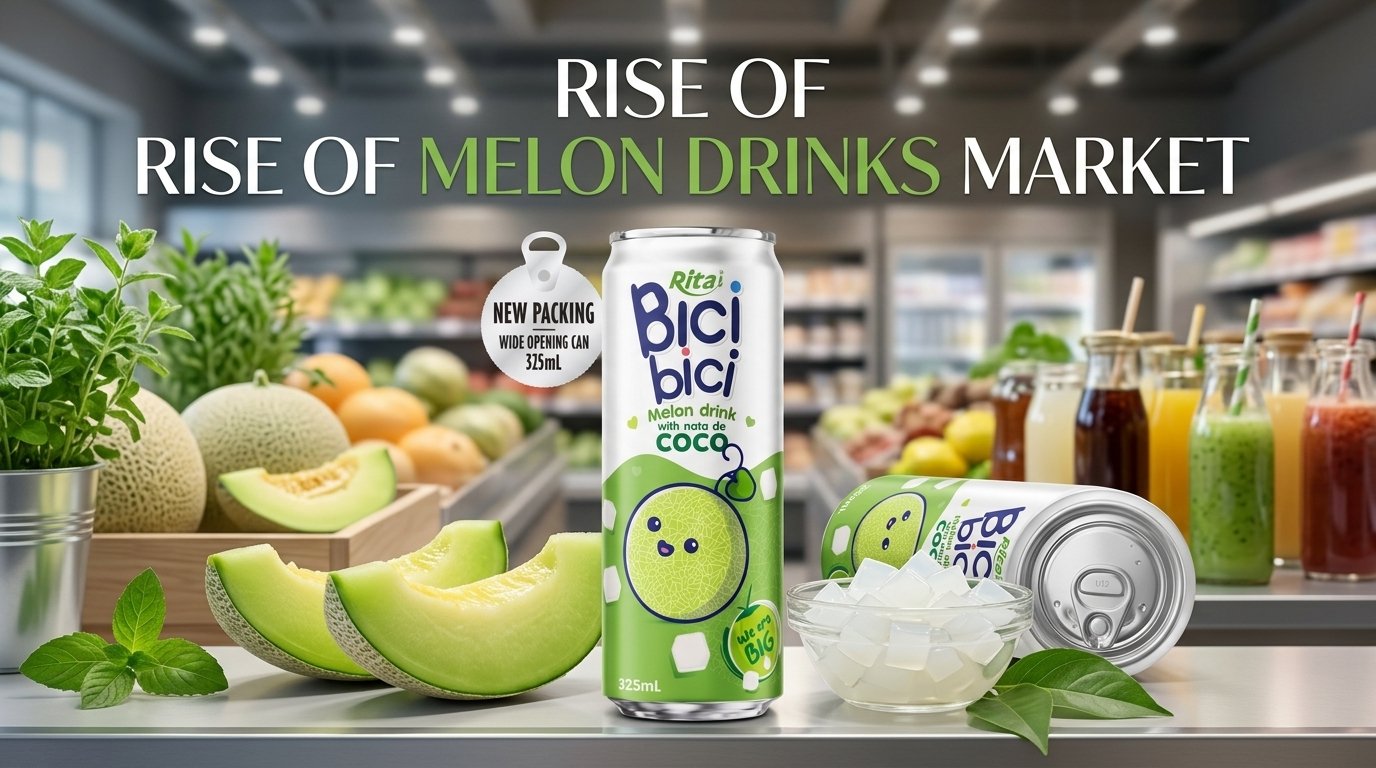
The demand for fruit-based drinks with added texture is reshaping the beverage aisle. Products like the Bici Bici 325ml Melon Drink With Nata De Coco (wide Opening Can) exemplify this trend, offering a convenient and enjoyable way for consumers to experience a premium, restaurant-quality beverage at home or on the go. This article provides an in-depth analysis of the melon drink market, focusing on key trends, supply chain considerations, and actionable insights for global buyers looking to expand their portfolios.
Key Takeaways
- The melon drink market is expanding in North America and Europe, driven by a demand for exotic flavors and unique textures.
- Products combining fruit juice with nata de coco offer a distinct competitive advantage through a differentiated sensory experience.
- Global buyers should prioritize suppliers with strong OEM/ODM capabilities, flexible packaging options, and recognized certifications like HALAL and BRC.
- The wide-opening can format addresses a key consumer pain point, enhancing the ease of consuming beverages with inclusions.
- Sourcing from experienced manufacturers in Vietnam, such as RITA, provides a strategic advantage in terms of cost, quality, and scalability.
Understanding the Melon Drink Market Shift in Western Markets
The beverage landscape in North America and Europe is no longer dominated solely by traditional sodas and plain juices. A wave of innovation is sweeping through the industry, with consumers actively searching for functional refreshment and novel taste experiences. Keurig Dr Pepper's 2026 State of Beverages Trend Report highlights how beverage choice has become a form of self-expression, particularly for Gen Z, who are driving demand for unique and visually appealing drinks.
This shift is creating a fertile ground for melon-based beverages. The sweet, subtly musky flavor of melon is well-known but often underutilized in Western markets compared to mainstream flavors like orange or apple. This presents a significant opportunity for brands to introduce a familiar yet exotic taste profile.
Melon drinks are perfectly positioned to meet this demand. They offer a vibrant color, a refreshing taste, and a natural sweetness that appeals to a wide demographic. When combined with the textural element of nata de coco, the product transcends a simple beverage and becomes a snacking experience, which is a powerful driver in today's market.
The Power of Texture: Why Nata De Coco is a Game-Changer
In the competitive beverage market, standing out on the shelf is paramount. A product that offers more than just liquid refreshment has a distinct advantage. The inclusion of nata de coco—chewy, translucent coconut gel cubes—transforms a standard drink into a multi-textural delight. This is a key factor driving the popularity of products like the Bici Bici Melon Drink.
This textural experience taps into the growing consumer interest in "functional indulgence." While not a health claim, the presence of real fruit pieces and coconut gel creates a perception of a more premium and substantial product. It bridges the gap between a drink and a dessert, making it suitable for various consumption occasions, from a midday snack to a post-meal treat.
For buyers, this means a product that can command a higher price point and generate stronger consumer loyalty. The unique mouthfeel is difficult for competitors to replicate easily, providing a sustainable edge in a crowded market. The "We are BIG" slogan on the Bici Bici can directly addresses this, highlighting the generous size of the nata de coco pieces.
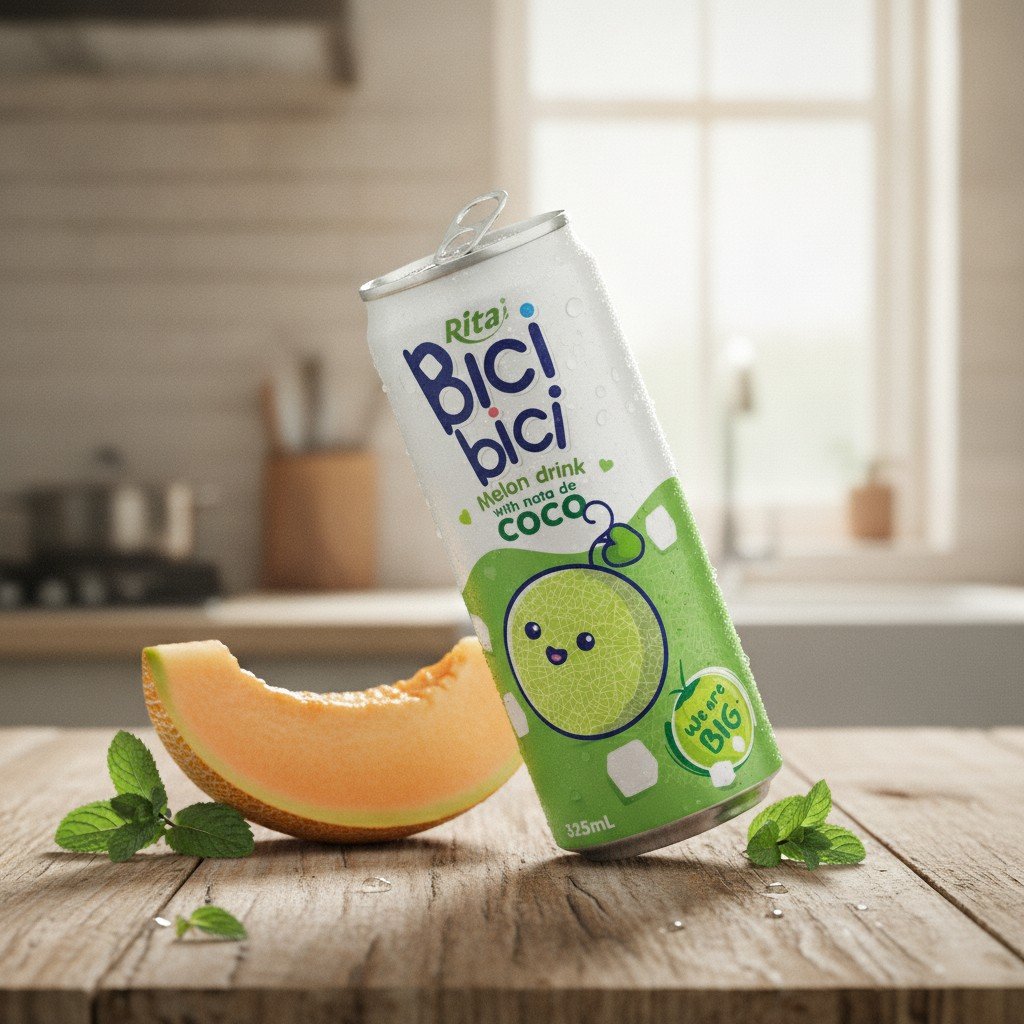
Supply Chain and Sourcing: The OEM Advantage for Melon Drinks
For global buyers looking to enter or expand in the melon drink category, the choice of manufacturing partner is critical. Sourcing from a region with abundant raw materials and advanced production capabilities offers a significant competitive advantage. Vietnam has emerged as a powerhouse in the global beverage supply chain, particularly for fruit-based drinks.
Companies like RITA Food & Drink Co., Ltd. exemplify the benefits of this sourcing strategy. With over 50 production lines and a capacity of approximately 1,200 containers per month, RITA can handle large-scale orders while maintaining rigorous quality standards. Their expertise in OEM and ODM services allows buyers to customize formulations, sweetness levels, and packaging to perfectly suit their target market.
Flexibility in packaging is a key consideration for modern beverage brands. The Bici Bici 325ml Melon Drink utilizes a wide-opening can, a format that directly addresses a common consumer frustration: difficulty accessing the nata de coco pieces at the bottom of a standard can. This innovation enhances the user experience and is a strong selling point for the product.
Furthermore, RITA’s commitment to international certifications—including HALAL, FSSC 22000, HACCP, BRC, and ISO—provides buyers with the assurance needed to navigate complex import regulations in North America and Europe. These certifications are often a prerequisite for listing with major retailers and distributors in these regions.
Navigating Import Requirements and Quality Standards
Importing beverages into the US and EU involves strict regulatory compliance. The FDA in the United States and the EFSA in Europe have specific requirements for ingredient labeling, food safety, and packaging materials. A reliable OEM partner like RITA helps navigate these complexities by adhering to globally recognized standards from the outset.
Key considerations for buyers include the product's shelf life, which for the Bici Bici Melon Drink is 24 months, ensuring ample time for logistics and retail turnover. The MOQ (Minimum Order Quantity) of 500 cartons is also a manageable entry point for many distributors looking to test the market before scaling up. The FOB price point from Ho Chi Minh Port is highly competitive, offering strong margins for importers.
By leveraging the capabilities of a seasoned manufacturer, buyers can reduce time-to-market and focus on brand building and distribution. This partnership model is the foundation of a successful global beverage strategy, allowing for rapid adaptation to market trends like the rising popularity of melon drinks.
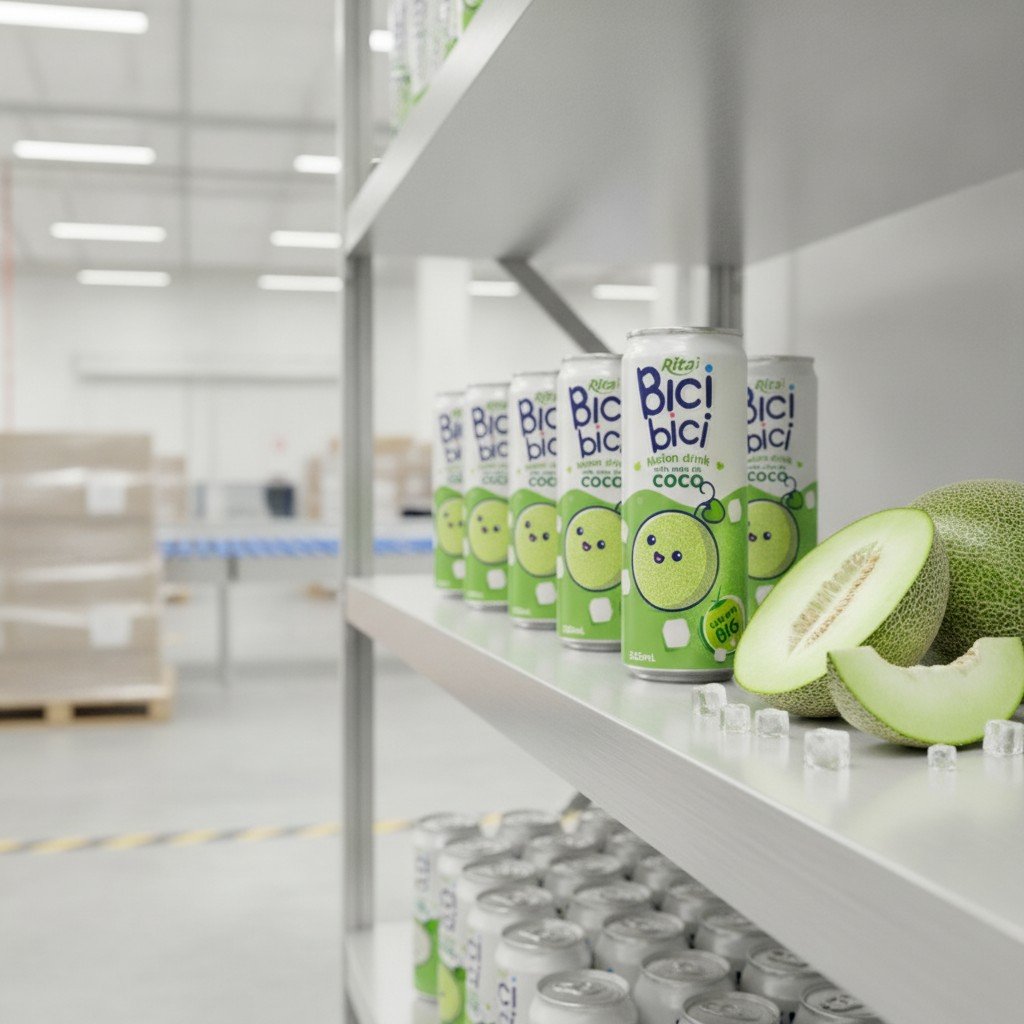
Market Opportunities and Consumer Insights for Melon Beverages
The opportunity for melon drinks in North America and Europe is substantial. The fusion beverage market, which includes fruit-based blends with inclusions, is projected to reach USD 14.6 billion by 2036, driven by demand for functional refreshment and retail expansion. This growth is fueled by consumers who are bored with traditional options and are willing to pay more for a unique experience.
For buyers, the key is to position these products not just as a drink, but as a lifestyle choice. Marketing should emphasize the vibrant color, the unique texture, and the exotic origin of the flavor. The playful branding of products like Bici Bici, with its cartoon melon character and bright green color scheme, appeals directly to a younger, social-media-savvy demographic that values shareable, visually engaging products.
Retail channels are also evolving. While traditional grocery stores remain important, specialty food stores, Asian supermarkets, and online platforms like Amazon are becoming key battlegrounds for new beverage brands. A multi-channel distribution strategy is essential for maximizing reach. The convenience of a 325ml can makes it perfect for single-serve consumption in convenience stores, vending machines, and food service settings.
Strategic Positioning for Global Buyers
To successfully launch a melon drink with nata de coco, buyers should consider the following strategic actions:
- Leverage the Novelty Factor: In the US and Europe, melon is still a niche flavor compared to mainstream options. This is an advantage. Market the product as an exotic discovery for adventurous consumers.
- Highlight the Texture: The nata de coco is the star of the show. Use imagery and language that emphasizes the unique, chewy texture. The wide-opening can is a direct enabler of this enjoyment.
- Partner with a Proven Manufacturer: Work with a supplier like RITA's OEM service that offers end-to-end support, from formulation to logistics. Their experience in exporting to 200+ countries is invaluable.
- Focus on Premiumization: Price the product to reflect its premium nature. This is not a basic soda; it’s a multi-sensory beverage experience that commands a higher margin.
The convergence of these trends—exotic flavors, textural innovation, and convenient packaging—makes the melon drink category a high-potential area for investment. By understanding the market dynamics and partnering with the right manufacturing ally, global buyers can successfully introduce this refreshing product to a whole new audience.
Frequently Asked Questions
What is the primary trend driving the demand for melon drinks in the US and Europe?
The primary trend is consumer demand for unique, exotic flavors and multi-sensory experiences. Melon offers a familiar yet novel taste, and when combined with nata de coco, it provides a textural element that differentiates it from standard beverages.
Why is the wide-opening can important for a product like Melon Drink with Nata De Coco?
The wide-opening can is crucial for consumer convenience. It allows easy access to the nata de coco pieces that settle at the bottom of the can, enhancing the overall drinking experience and ensuring the consumer can enjoy all the product's components.
What certifications should buyers look for when sourcing melon drinks from Vietnam?
Buyers should look for internationally recognized certifications like HALAL, BRC, FSSC 22000, HACCP, and ISO. These certifications ensure the product meets global food safety and quality standards, which is essential for import into North America and Europe.
What is the typical MOQ for OEM production of a product like the Bici Bici Melon Drink?
For the Bici Bici Melon Drink, the minimum order quantity (MOQ) is 500 cartons. This is a manageable volume for many distributors and importers looking to test the market or launch a new brand without committing to an excessively large initial order.
How can a supplier like RITA help a buyer enter the melon drink market?
RITA offers comprehensive OEM and ODM services, including custom formulation, packaging design (like the wide-opening can), and large-scale production. Their experience in exporting to over 200 countries and possession of key certifications helps buyers navigate import regulations and launch products quickly and efficiently.
Newer news items:
- Coconut Water's Next Wave: How Watermelon Blends Are Redefining Refreshment - 20/08/2026 04:54
- Qixi 2026 – Rita Food & Drink: Accompanying Meaningful Connection Moments - 19/08/2026 02:02
- What US Importers Need to Know About Cranberry Nata De Coco Canned Drinks - 18/08/2026 08:28
- Fruit Juice Market Trends 2026 — Why Mango Nata De Coco Drinks Are Gaining Global Traction - 17/08/2026 08:22
- Sourcing Bici Bici Mango Drink with Nata De Coco from Vietnam — Quality, OEM, and Logistics - 14/08/2026 08:21
Older news items:
- Bici Bici 325ml Pineapple Drink With Nata De Coco Creating New Opportunities in the Global Juice Market - 12/08/2026 08:05
- What Importers Need to Know About the Pineapple Drink With Nata De Coco Market - 11/08/2026 08:02
- Exporting Bici Bici 325ml Strawberry Drink With Nata De Coco from Vietnam — A Complete Market Guide - 10/08/2026 07:58
- Discover the World of Beverages with Rita at VietFood & Beverage 2026 - 08/08/2026 07:09
- Sourcing Coconut Water With Matcha Flavor from Vietnam — Quality, OEM, and Logistics - 06/08/2026 07:55