
Fruit Juice Market Trends 2026 — Why Mango Nata De Coco Drinks Are Gaining Global Traction
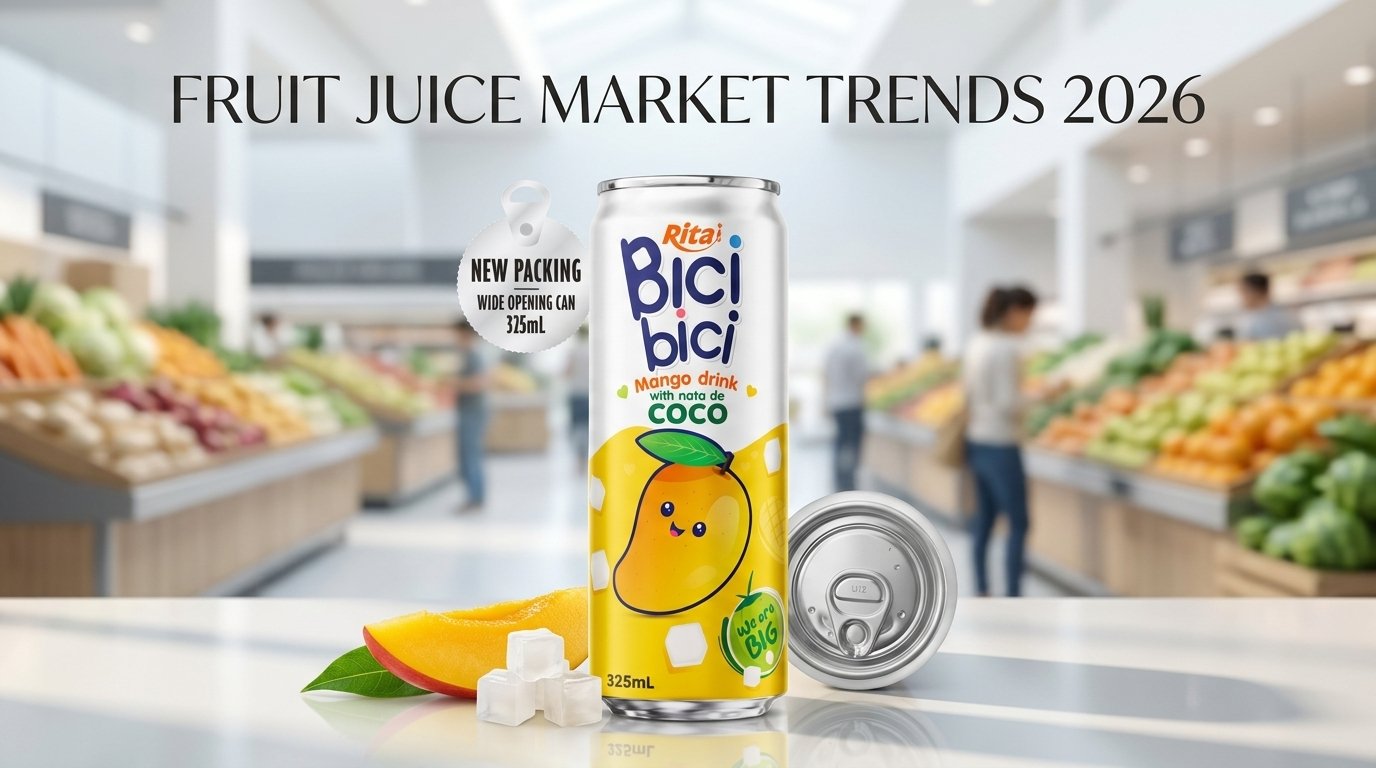
- The global fruit juice market trends for 2026 highlight a strong shift towards beverages with added texture, such as nata de coco and fruit pulp.
- Convenience packaging, like the wide-opening can, is a critical driver for on-the-go consumption in key markets like the USA and Europe.
- Mango remains a top-three global flavor, offering a safe yet premium base for innovation in the functional beverage space.
- Products with a clean label and recognizable ingredients, like mango and nata de coco, are outperforming traditional sugary sodas.
- Vietnam has emerged as a leading OEM hub for these specialized drinks, offering cost-effective production without compromising on quality.
The Rise of Textured Beverages in the Fruit Juice Market
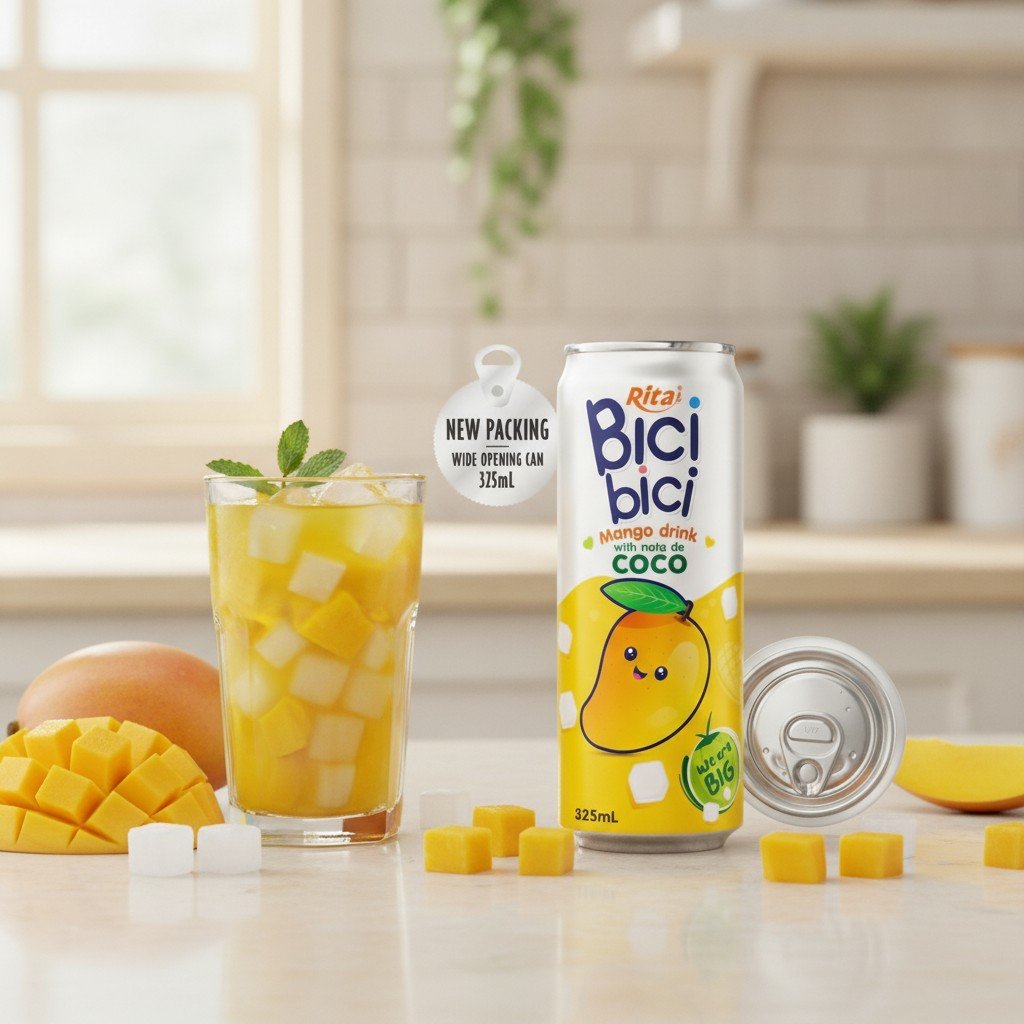
Consumers are bored with flat, one-dimensional drinks. The fruit juice market is responding with products that offer a multi-sensory experience. The inclusion of nata de coco, a chewy, jelly-like fiber, transforms a simple mango drink into an interactive snack-like beverage. This is not a fleeting fad; it is a structural shift in consumer preference towards 'drinkable snacks'.
Why Texture Matters More Than Ever in 2026
Industry reports from BeverageDaily and FoodNavigator consistently highlight that sensory appeal is the number one factor driving repeat purchases in the non-alcoholic beverage sector. A drink that feels good in the mouth and provides a 'chew' factor commands a premium price point. For distributors in the USA and Europe, this means products like the Bici Bici mango drink offer a clear point of differentiation against standard juices.
The wide-opening can format is a direct response to this trend. It is not just a packaging innovation; it is a functional necessity. Standard straws cannot handle the larger chunks of nata de coco. The 325ml wide-opening can allows consumers to easily access every piece of the fruit and jelly, enhancing the overall enjoyment and reducing waste. This design detail is a critical selling point for retail buyers looking to stock the next big thing in the fruit juice market.
Furthermore, this trend aligns perfectly with the 'clean label' movement. Nata de coco is a natural product derived from fermented coconut water. Combined with mango puree, the ingredient list becomes short, recognizable, and appealing to health-conscious millennials and Gen Z consumers. These demographics are actively seeking alternatives to highly processed soft drinks, making the mango and nata de coco combination a powerful growth vector.
Mango: The Undisputed King of Global Flavors
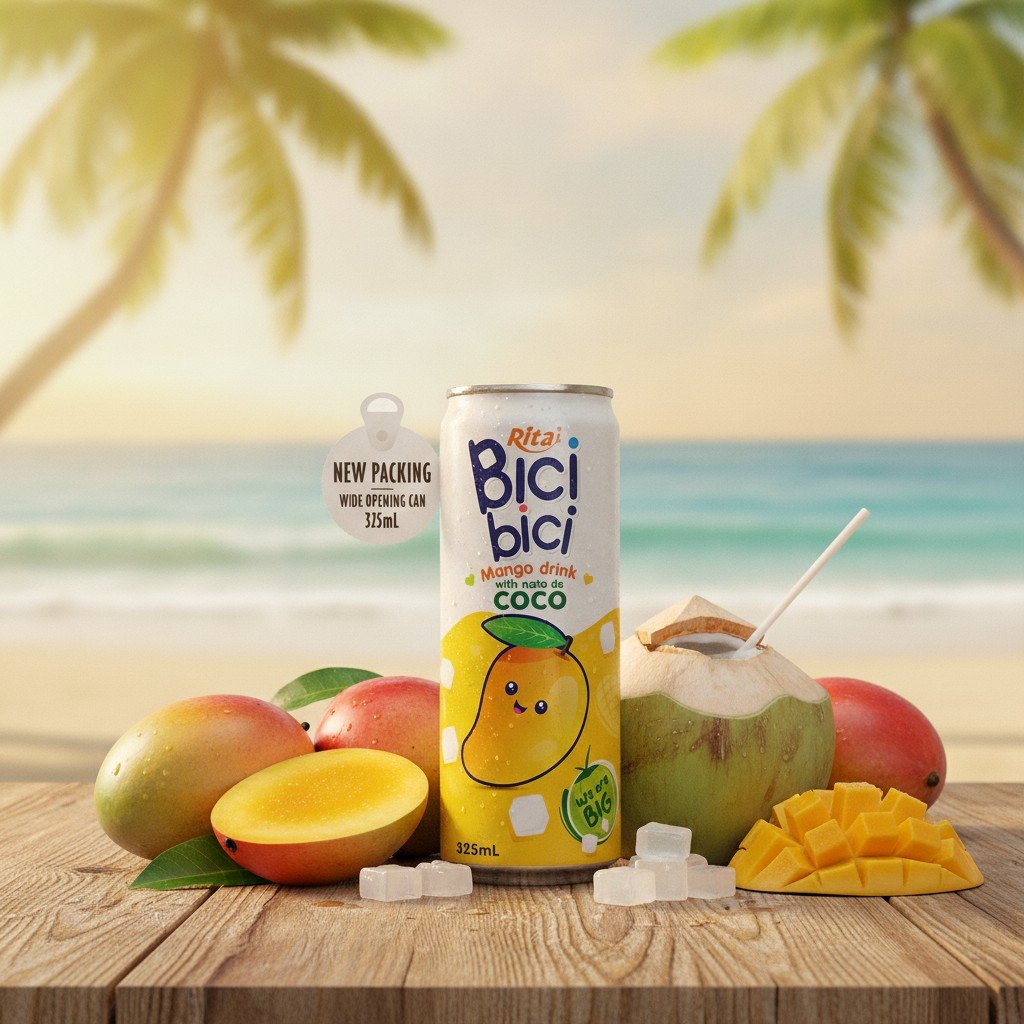
Mango is not just another fruit flavor; it is a global phenomenon. From India to Mexico, and from the USA to Japan, mango is consistently ranked as one of the top three most popular fruit flavors. Its sweet, tropical profile is universally appealing, making it a low-risk, high-reward choice for brand owners and private label developers. In 2026, the fruit juice market trends confirm that mango-based beverages are seeing a CAGR of over 5% in North America alone.
Strategic Sourcing and OEM Excellence from Vietnam
For global importers, the challenge is finding a reliable supply chain that can deliver consistent quality. Vietnam, specifically companies like RITA Food & Drink Co., Ltd, has become a powerhouse for tropical fruit beverage production. With over 50 production lines and a capacity of 1,200 containers per month, RITA offers the scale necessary to meet large-volume orders from the US and European markets. They provide comprehensive OEM and ODM solutions, allowing brands to customize sweetness, viscosity, and even the size of the nata de coco pieces.
The specific product, the Bici Bici 325ml Mango Drink With Nata De Coco, is a textbook example of market-ready innovation. It features a vibrant, playful design with a cartoon mango character, which is crucial for capturing attention on crowded retail shelves. The packaging clearly communicates the 'wide opening' feature, solving a consumer pain point before the purchase is even made. For a distributor, this means less education is needed to move the product.
From a technical standpoint, the product boasts a 24-month shelf life, which is essential for long-distance shipping. The aluminum can provides excellent protection against light and oxygen, preserving the bright yellow color and fresh taste of the mango. The product is certified with HALAL, FSSC, HACCP, BRC, ISO, and GMP, meeting the stringent import requirements of both Western and Middle Eastern markets. This compliance removes significant barriers to entry for new distributors.
Regional Spotlight: Opportunities in the USA and Middle East
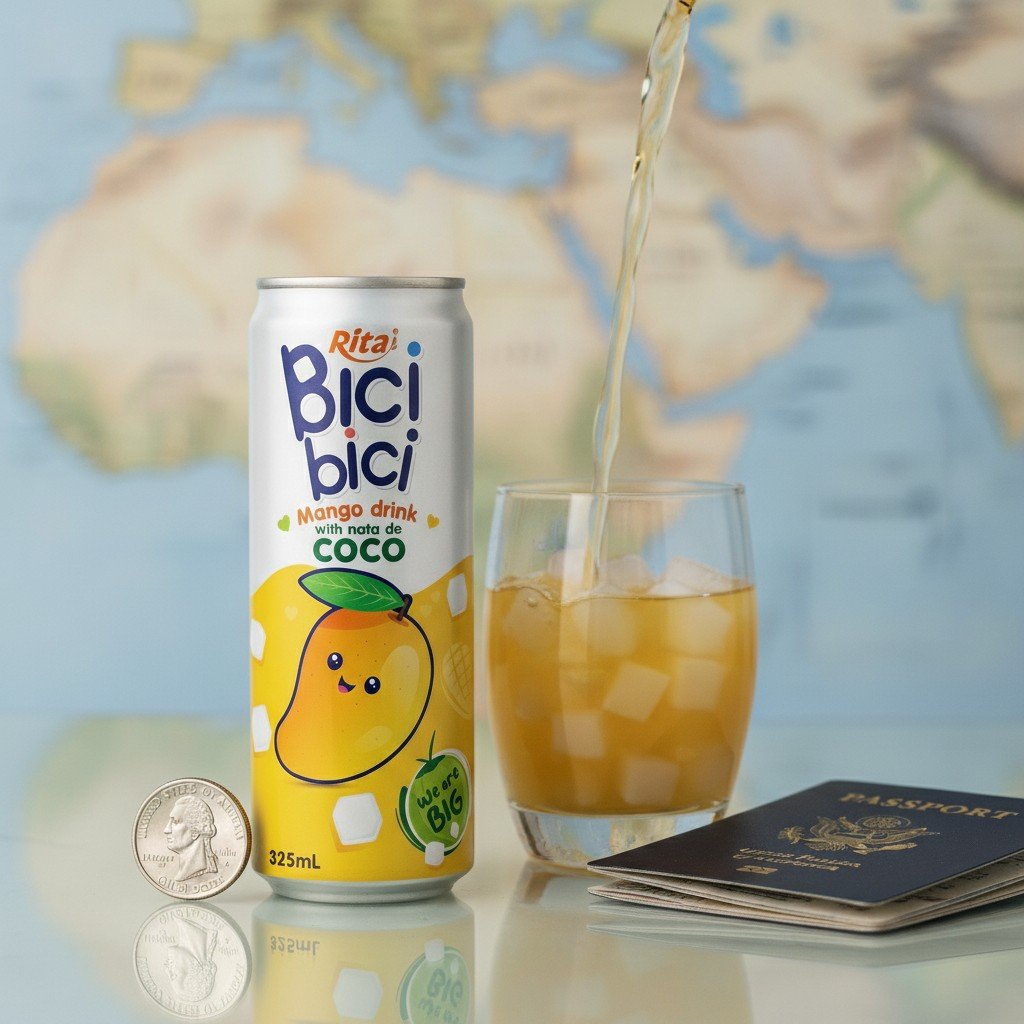
Two specific regions are showing exceptional promise for this product category. The United States market is experiencing a boom in 'better-for-you' beverages. Consumers are moving away from high-fructose corn syrup sodas and seeking drinks that offer functional benefits or unique textures. The mango nata de coco drink fits perfectly into the 'functional snacking' trend. In the Middle East, the flavor profile is incredibly familiar, as mango and coconut products are dietary staples. The HALAL certification of the Bici Bici drink is a non-negotiable advantage in this region.
How Distributors Can Capitalize on the 2026 Trends
The path to market for a product like this is clearer than ever. Importers should focus on the product's unique selling propositions: the wide-opening can for convenience, the chewy nata de coco for texture, and the premium mango flavor for taste. These three elements form a powerful value proposition that can command a higher price point than standard juice drinks. RITA's OEM service allows for flexible branding, meaning a distributor can launch this product under their own private label, creating a unique brand identity within their portfolio.
To further support market entry, companies like RITA offer comprehensive OEM services that include custom formulation. This means a buyer can adjust the sugar level to meet specific dietary guidelines in their target country, or even add a touch of ginger or mint for a unique twist. The MOQ is set at 500 cartons, which is accessible for mid-sized distributors looking to test the market without massive upfront risk. The supply ability of 300 twenty-foot containers per month ensures that once a product takes off, the supply chain can keep up with demand.
Ultimately, the success of a product in the modern fruit juice market hinges on understanding that consumers are buying an experience, not just a liquid. The fruit juice product line from RITA is designed to deliver exactly that. The Bici Bici mango drink is a perfect case study of how combining the right flavor, texture, and packaging can create a winning formula for the global stage in 2026.
Frequently Asked Questions
1. What is the primary trend driving the fruit juice market in 2026?
The primary trend is the demand for 'textured beverages' or 'drinkable snacks'. Consumers want more than just liquid refreshment; they want a multi-sensory experience. Products that combine juice with natural inclusions like nata de coco, chia seeds, or fruit pulp are seeing the highest growth.
2. Why is the wide-opening can important for this product?
The wide-opening can is essential because standard straws cannot accommodate the larger pieces of nata de coco. This packaging innovation allows consumers to easily scoop out and enjoy every piece of the fruit and jelly, enhancing the user experience and reducing product waste.
3. Is this product suitable for the US and European markets?
Yes. The product meets stringent international certifications including BRC, FSSC 22000, HALAL, and ISO. Its clean label (mango and nata de coco) and 24-month shelf life make it ideal for long-distance shipping and retail in Western markets where 'better-for-you' and exotic flavors are trending.
4. Can I customize the product under my own brand?
Absolutely. RITA offers comprehensive OEM and ODM services. You can customize the sweetness level, viscosity, and packaging design. The minimum order quantity is 500 cartons, making it accessible for mid-sized distributors looking to create a private label brand.
5. What makes Vietnam a competitive source for this beverage?
Vietnam is a top producer of tropical fruits and coconut-based products. RITA, with its 50+ production lines and capacity of 1,200 containers per month, offers competitive pricing without compromising on quality. Their strong R&D capabilities allow for rapid product development and adaptation to specific market needs.
Newer news items:
- Rita Celebrates Vietnam Independence Day 2/9: Honoring National Spirit and Sharing Joy with Our Team & Global Partners - 28/08/2026 08:05
- Vu Lan Festival 2026: Cherishing Precious Family Moments and Preserving Love with Rita - 27/08/2026 07:50
- Coconut Water's Next Wave: How Watermelon Blends Are Redefining Refreshment - 20/08/2026 04:54
- Qixi 2026 – Rita Food & Drink: Accompanying Meaningful Connection Moments - 19/08/2026 02:02
- What US Importers Need to Know About Cranberry Nata De Coco Canned Drinks - 18/08/2026 08:28
Older news items:
- Sourcing Bici Bici Mango Drink with Nata De Coco from Vietnam — Quality, OEM, and Logistics - 14/08/2026 08:21
- The Rise of Melon Drinks in North America and Europe — Insights for Buyers - 13/08/2026 08:07
- Bici Bici 325ml Pineapple Drink With Nata De Coco Creating New Opportunities in the Global Juice Market - 12/08/2026 08:05
- What Importers Need to Know About the Pineapple Drink With Nata De Coco Market - 11/08/2026 08:02
- Exporting Bici Bici 325ml Strawberry Drink With Nata De Coco from Vietnam — A Complete Market Guide - 10/08/2026 07:58