
What US Importers Need to Know About Cranberry Nata De Coco Canned Drinks
Key Takeaways
- The cranberry nata de coco canned drink market is expanding due to consumer demand for novel textures and fruit-forward flavors in the US.
- Importers should prioritize suppliers with strong international certifications like BRC, FSSC 22000, and HALAL to ensure smooth entry into US retail channels.
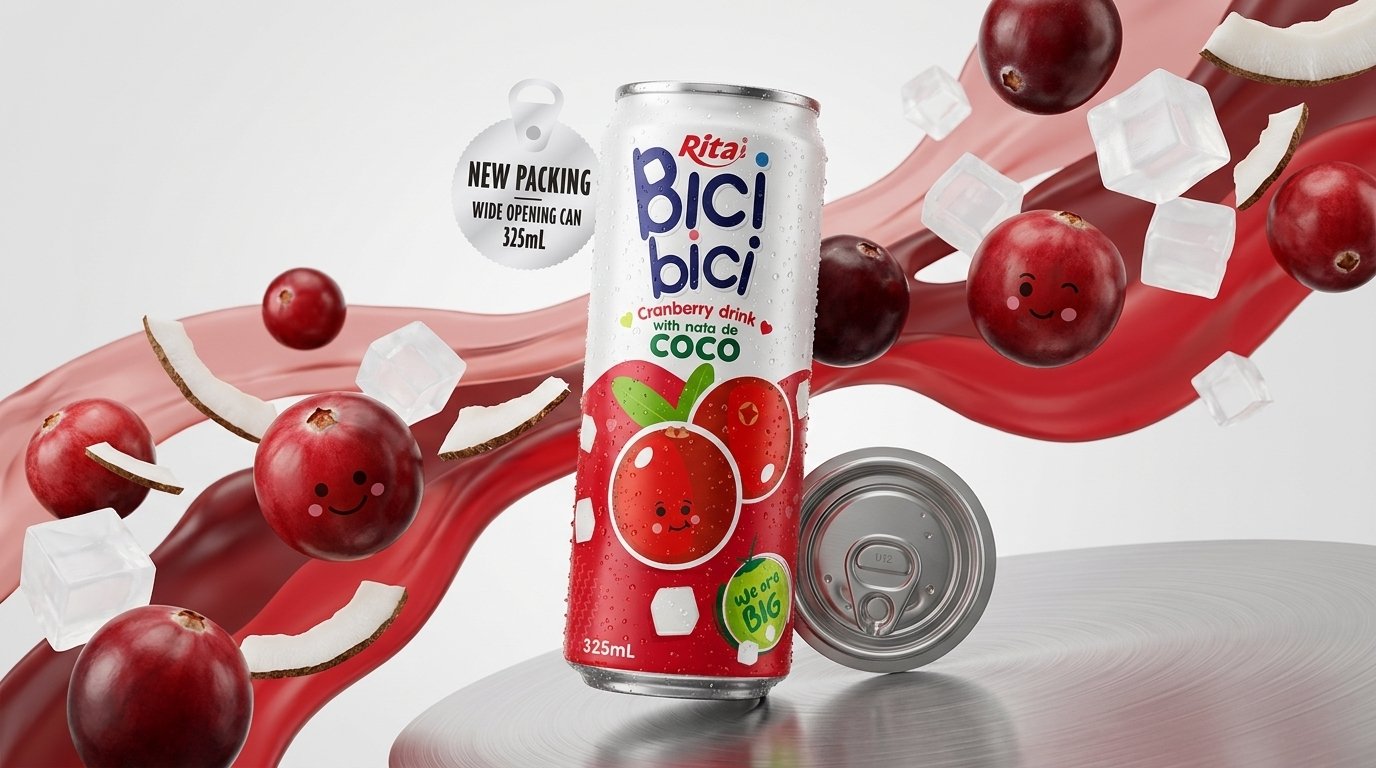
- Packaging innovation, such as the wide-opening can, is a critical differentiator for products containing large particulates like nata de coco.
- Vietnam is emerging as a key manufacturing hub for high-quality, cost-effective OEM/ODM beverage solutions, offering significant advantages for US buyers.
- Understanding the functional trends and the clean-label movement is essential for positioning this product category effectively in the American market.
The Rise of Texture-Rich Beverages in the US Market
The American palate is no longer satisfied with simple, homogeneous drinks.
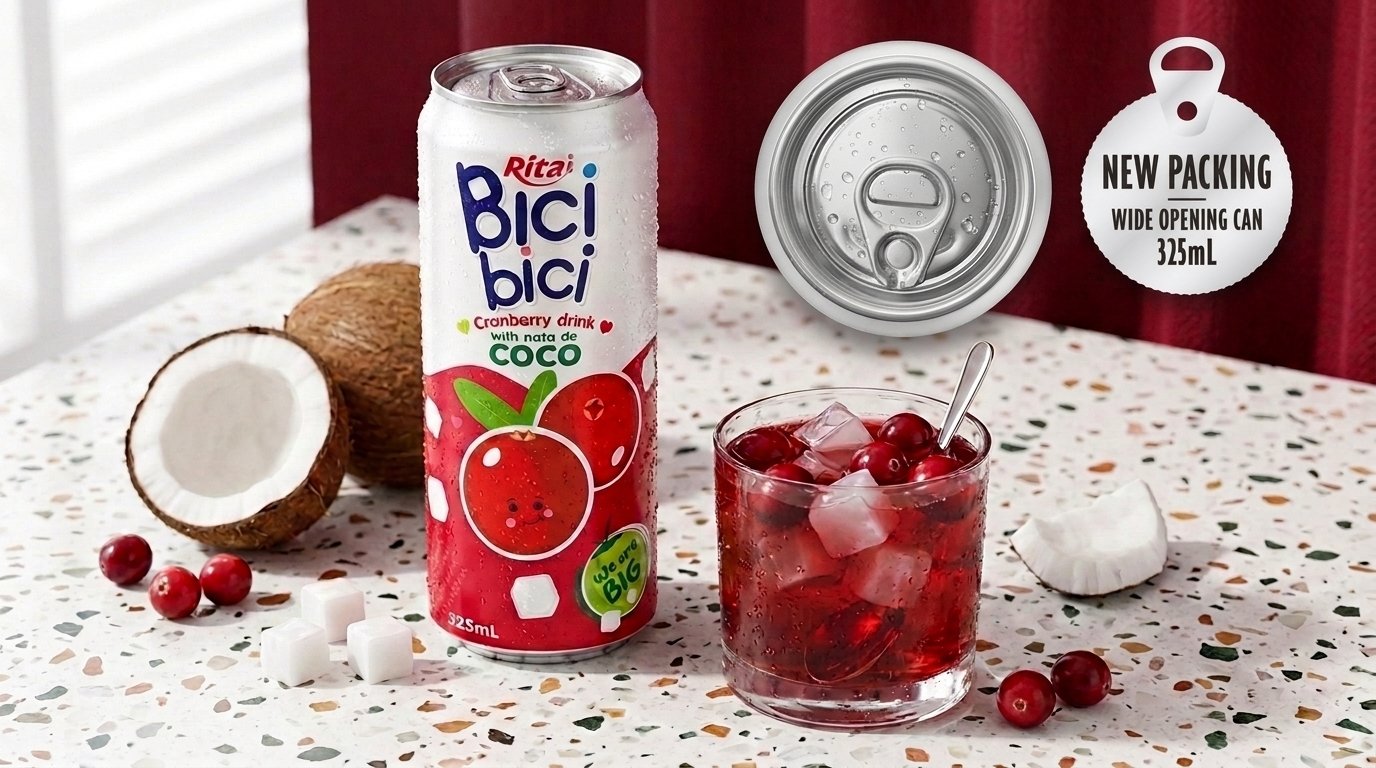
Consumers are actively seeking multi-sensory experiences, where texture plays a role as important as taste. This has fueled the popularity of beverages containing fruit pieces, seeds, and jelly-like inclusions such as nata de coco. The cranberry nata de coco canned drink fits perfectly into this trend, offering a familiar fruit base with an unexpected, enjoyable chewiness.
Data from industry reports, including the 2026 State of the Beverage Industry, highlights that the juice market is finding new footing by incorporating functional and textural elements. This is not just a fleeting fad but a structural change in how consumers perceive refreshment. For US importers, this represents a clear signal to expand beyond traditional juices and sodas.
Why Nata De Coco is a Winning Inclusion
Nata de coco, a chewy, translucent jelly produced from fermented coconut water, is a beloved ingredient across Asia.
Its neutral flavor and satisfying bite make it an ideal vehicle for carrying fruit flavors. When paired with the tartness of cranberry, it creates a balanced and refreshing profile that appeals to a broad demographic. The visual appeal of nata de coco pieces suspended in a vibrant red cranberry juice is also a powerful marketing tool, especially for social media and in-store displays.
For a US importer, this combination addresses two key consumer desires: the comfort of a known fruit (cranberry) and the excitement of a novel texture (nata de coco). This dual appeal can significantly reduce the risk associated with launching an entirely new product concept.
Navigating the Import Landscape: Quality, Certifications, and OEM Partners
Successfully importing a cranberry nata de coco canned drink into the US requires a strategic approach to supplier selection.
The US Food and Drug Administration (FDA) has strict guidelines for imported beverages, particularly concerning manufacturing practices and ingredient safety. Therefore, working with a partner who holds globally recognized certifications is non-negotiable. Certifications such as BRC, FSSC 22000, HALAL, and HACCP provide a baseline of trust and often streamline the customs clearance process. A product like the Bici Bici 325ml variant, produced under these standards, demonstrates a commitment to quality that US retailers demand.
RITA Food & Drink Co., Ltd, a leading Vietnamese OEM/ODM manufacturer, exemplifies this capability. With a 30,000 m² facility and production capacity of around 1,200 containers per month, they are well-equipped to handle large-scale US orders. Their portfolio, which includes a wide range of fruit juice products, showcases the expertise needed to formulate and package a complex drink like this.
Packaging Innovation: The Wide Opening Can Advantage
One of the most critical aspects of this product is its packaging. The wide-opening can is not just a cosmetic feature; it is a functional necessity for products containing large pieces of nata de coco.
Standard can openings can make it difficult to enjoy the chewy inclusions, often requiring a spoon or leading to a messy experience. The wide-opening design allows consumers to drink directly from the can with ease, accessing both the juice and the nata de coco pieces. This directly enhances user satisfaction and encourages repeat purchases. For importers, this packaging detail can be a key selling point when pitching to retailers who prioritize convenience and product experience.
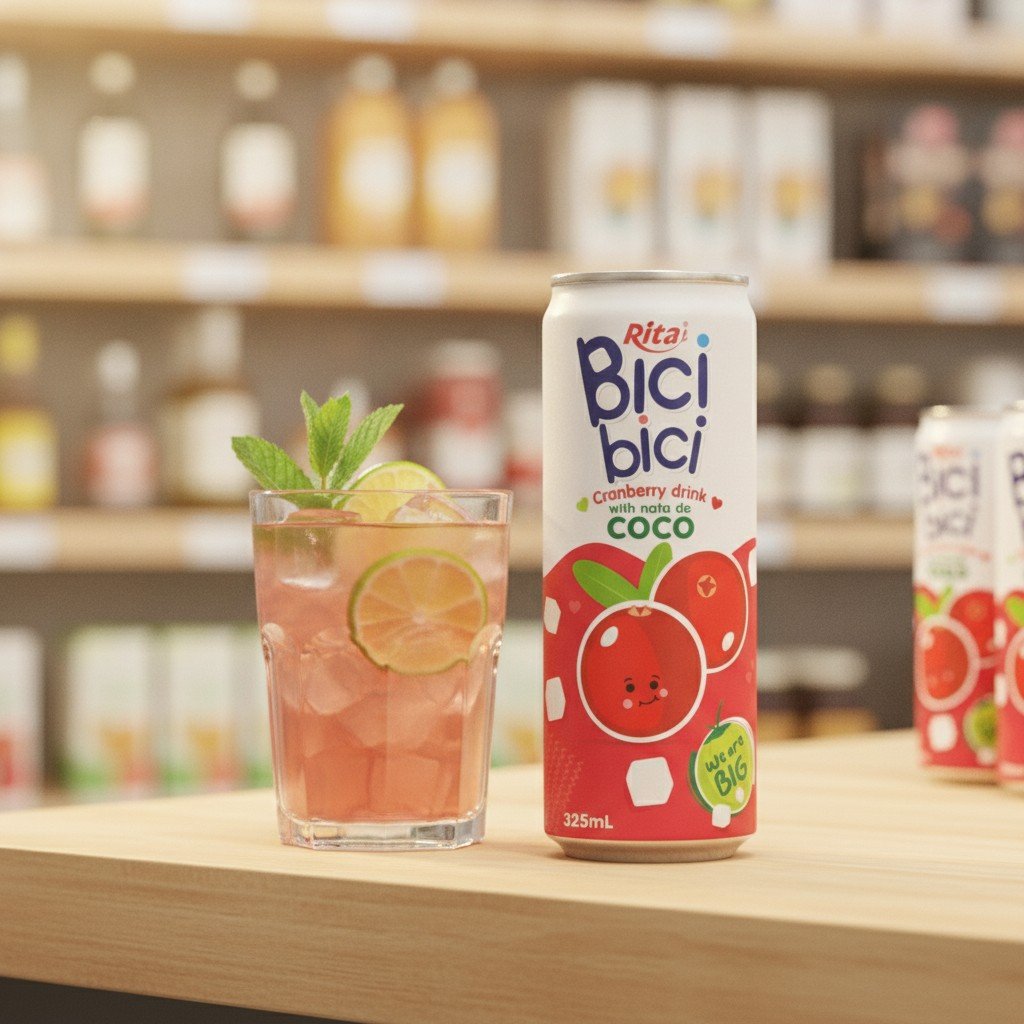
Furthermore, the 325ml aluminum can is a standard, shelf-stable format that fits seamlessly into existing US supply chains, from distribution centers to retail coolers. The 24-month shelf life provides ample time for transit, warehousing, and sell-through, reducing the risk of spoilage for the importer.
Market Opportunities and Strategic Positioning for Cranberry Nata De Coco
To successfully launch this product, US importers need a clear go-to-market strategy that leverages current consumption trends.
The first opportunity lies in the 'better-for-you' snacking segment. This drink can be positioned as a satisfying, fruit-based alternative to sugary snacks or heavy desserts. The inclusion of nata de coco adds a layer of satiety that is often missing from traditional juices. This aligns perfectly with the growing consumer focus on metabolic balance and mindful indulgence, as highlighted in the 2026 non-alcoholic beverage trends.
Secondly, the product has strong potential in the Asian and Hispanic grocery channels, which are already familiar with drinks containing nata de coco. These channels can serve as a launchpad to build brand awareness before expanding into mainstream supermarkets.
Finally, the vibrant color and unique texture make it an excellent candidate for the foodservice sector, particularly in boba shops, cafes, and restaurants looking to offer a distinctive, ready-to-drink option without the complexity of in-house preparation.
By partnering with a reliable OEM manufacturer like RITA, importers can also explore ODM service options to create a private label version, tailoring the sweetness, flavor intensity, and brand identity specifically for their target US audience.
Frequently Asked Questions
What is the minimum order quantity (MOQ) for importing this product?
The standard MOQ for the Bici Bici 325ml Cranberry Drink with Nata De Coco is 500 cartons. This is a common volume for initial container shipments and allows importers to test the market without excessive financial risk.
What certifications are important for a US importer to look for?
For smooth importation into the US, look for suppliers with FDA registration, BRC, FSSC 22000, and HACCP certifications. These ensure the product meets strict international food safety and quality standards, which is crucial for gaining placement with major US retailers.
How long does delivery typically take from order confirmation?
The standard delivery time is 20-25 days after order confirmation. This efficient turnaround is made possible by the high production capacity of manufacturers like RITA, which can produce up to 1,200 containers per month.
Can the product be customized for a private label brand?
Yes. Many Vietnamese OEM/ODM manufacturers, such as RITA, offer comprehensive private label services. This includes custom formulation (adjusting sweetness, flavor, and texture), unique packaging design, and flexible can sizes, allowing you to build your own brand for the US market.
What is the shelf life of this canned drink?
The Bici Bici 325ml Cranberry Drink with Nata De Coco has a shelf life of 24 months. This long shelf life provides significant flexibility for logistics, warehousing, and retail distribution without pressure on sell-through rates.
Newer news items:
- Rita's Journey at Fine Food Australia 2026: Connecting & Expanding - 30/08/2026 08:45
- Rita Celebrates Vietnam Independence Day 2/9: Honoring National Spirit and Sharing Joy with Our Team & Global Partners - 28/08/2026 08:05
- Vu Lan Festival 2026: Cherishing Precious Family Moments and Preserving Love with Rita - 27/08/2026 07:50
- Coconut Water's Next Wave: How Watermelon Blends Are Redefining Refreshment - 20/08/2026 04:54
- Qixi 2026 – Rita Food & Drink: Accompanying Meaningful Connection Moments - 19/08/2026 02:02
Older news items:
- Fruit Juice Market Trends 2026 — Why Mango Nata De Coco Drinks Are Gaining Global Traction - 17/08/2026 08:22
- Sourcing Bici Bici Mango Drink with Nata De Coco from Vietnam — Quality, OEM, and Logistics - 14/08/2026 08:21
- The Rise of Melon Drinks in North America and Europe — Insights for Buyers - 13/08/2026 08:07
- Bici Bici 325ml Pineapple Drink With Nata De Coco Creating New Opportunities in the Global Juice Market - 12/08/2026 08:05
- What Importers Need to Know About the Pineapple Drink With Nata De Coco Market - 11/08/2026 08:02