
Coco Sea Moss Coconut Water Sustainability in a Sleek Can
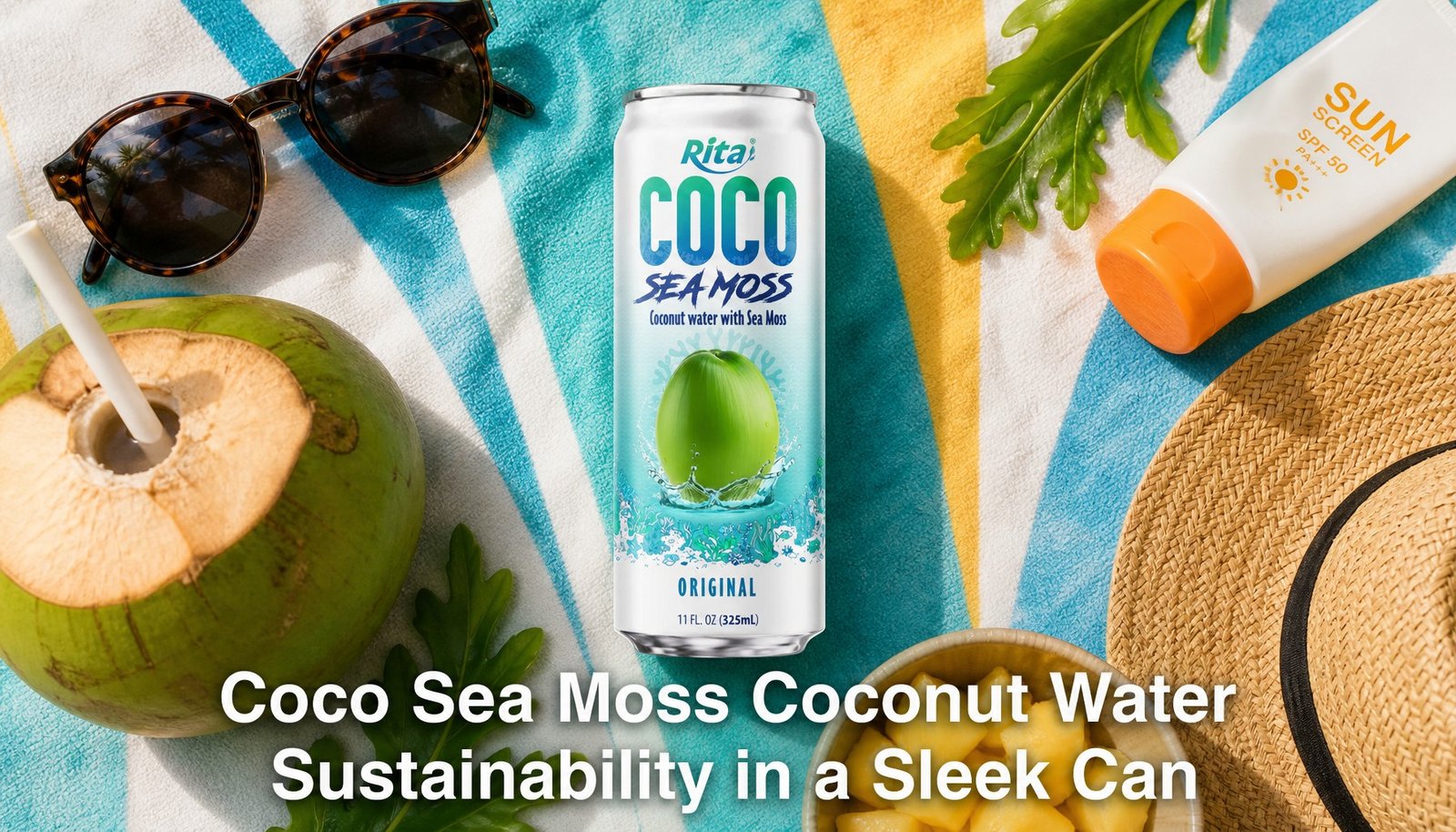
In this context, aluminum cans have gained remarkable traction due to their infinite recyclability and lightweight properties, reducing transportation emissions. At the forefront of this movement is RITA Food and Drink Co., Ltd., a Vietnamese OEM/ODM powerhouse that has integrated eco-conscious principles into its product development. A standout example is the Coco Sea Moss Coconut Water with Sea Moss 325ml Sleek Can, which combines natural ingredients with a highly sustainable packaging format. This article explores the intersection of sustainability, market trends, and OEM capabilities, offering actionable insights for global beverage brands seeking to align with the green economy.
Key Takeaways
- Aluminum cans are the most recyclable beverage packaging, offering a circular economy solution.
- Coconut water with sea moss taps into the rising demand for natural, functional drinks.
- RITA’s vertically integrated supply chain from Vietnamese farms ensures traceability and reduced carbon footprint.
- OEM/ODM partnerships enable brands to scale sustainable products without capital-intensive investments.
- Global coconut water market is projected to grow at a CAGR of 13.5% through 2030, driven by eco-conscious consumers.
Sustainable Packaging: The Rise of Aluminum Cans
The shift away from single-use plastics has propelled aluminum cans to the forefront of sustainable beverage packaging. Unlike plastic, aluminum can be recycled repeatedly without loss of quality, and recycling a single can saves enough energy to power a TV for three hours. Major beverage companies are now setting ambitious targets to increase the use of recycled content in their cans. Products like Coco Sea Moss Coconut Water with Sea Moss 325ml Sleek Can exemplify this trend, offering a sleek, lightweight can that appeals to environmentally aware consumers. RITA’s extensive coconut products line demonstrates a company-wide commitment to sustainable packaging, with all aluminum cans sourced from certified suppliers.
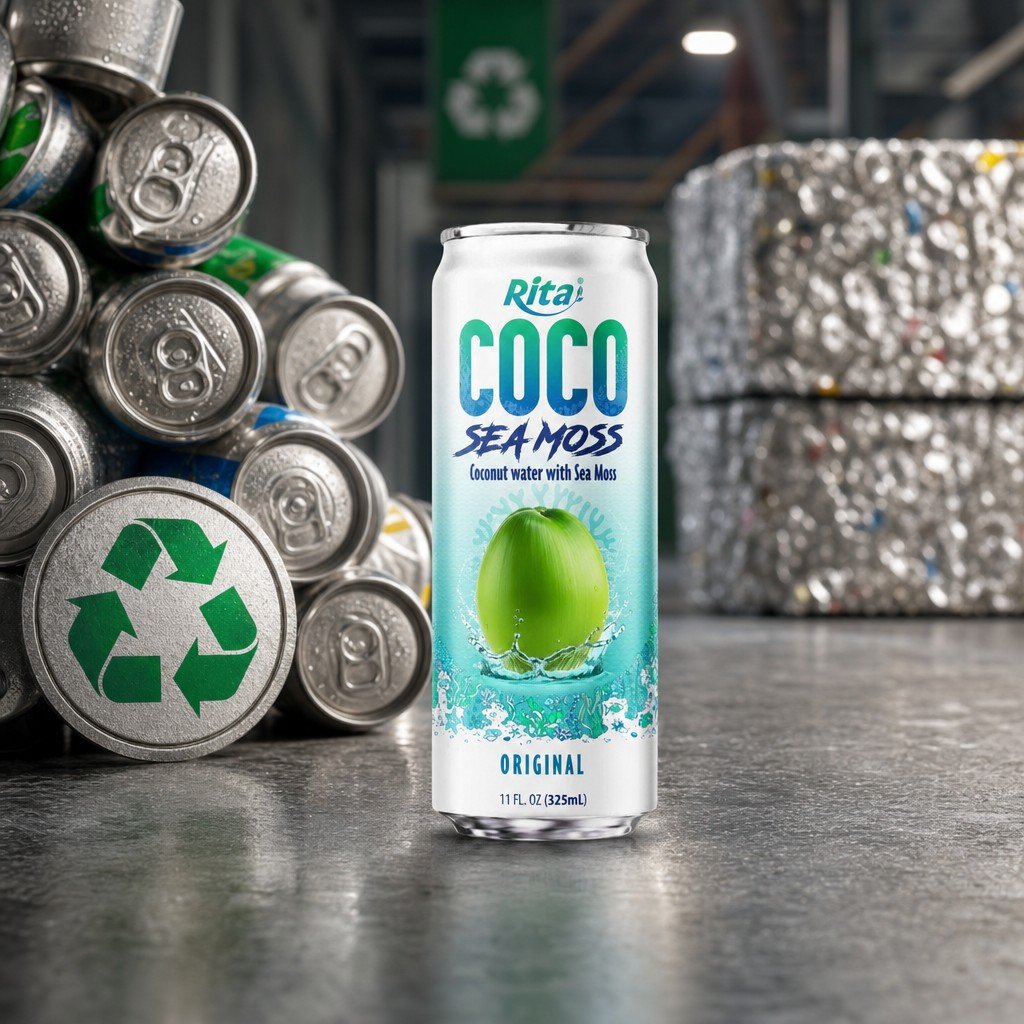
Aluminum Cans vs Plastic: Environmental Impact
Lifecycle assessments consistently show that aluminum cans have a lower carbon footprint than PET bottles when considering production, transportation, and end-of-life recovery. The average aluminum can contains over 70% recycled content in some markets, whereas plastic bottles often end up in landfills or oceans. For beverage exporters, choosing cans over plastic not only reduces environmental liability but also meets the tightening regulations in Europe and North America regarding packaging waste. RITA’s production lines are optimized to handle high volumes of aluminum cans, ensuring that even large-scale OEM orders maintain eco-friendly standards.
Consumer Preference for Eco-Friendly Packaging
Surveys indicate that 74% of consumers are willing to pay more for sustainable packaging, with millennials and Gen Z driving this demand. The sleek design of the 325ml can also offers convenience and portability, making it ideal for on-the-go consumption. Brands that partner with RITA can leverage this consumer insight, using the can’s recyclability as a key marketing message. The company’s BRC, FSSC 22000, and Halal certifications further assure buyers that sustainability does not come at the cost of quality or safety.
From Sustainable Farms to Your Can: The Raw Material Story
True sustainability extends beyond packaging to the very ingredients inside the can. Coco Sea Moss Coconut Water combines two natural components: coconut water sourced from Vietnam’s lush orchards and sea moss, a seaweed known for its gelling properties. RITA’s raw material strategy is built on long-term partnerships with local farmers, ensuring consistent quality and minimal transportation emissions. The company’s Ben Tre coconut farm exemplifies this commitment, where coconuts are harvested using traditional methods that preserve soil health and biodiversity. By controlling the supply chain from farm to factory, RITA reduces the carbon footprint associated with intermediate logistics.
Watch the journey from farm to can in this exclusive video:
Global Market Trends for Coconut-Based Beverages
The coconut water market has expanded well beyond its tropical origins, becoming a staple in health-oriented retail aisles worldwide. According to industry reports, the global coconut water market was valued at $4.5 billion in 2023 and is projected to grow at a compound annual growth rate of 13.5% through 2030. This growth is fueled by increasing awareness of natural hydration alternatives and the shift away from sugary sodas. Sea moss, meanwhile, has gained popularity as a natural thickener and nutrient-dense ingredient, particularly in the Caribbean and North American functional beverage segments.
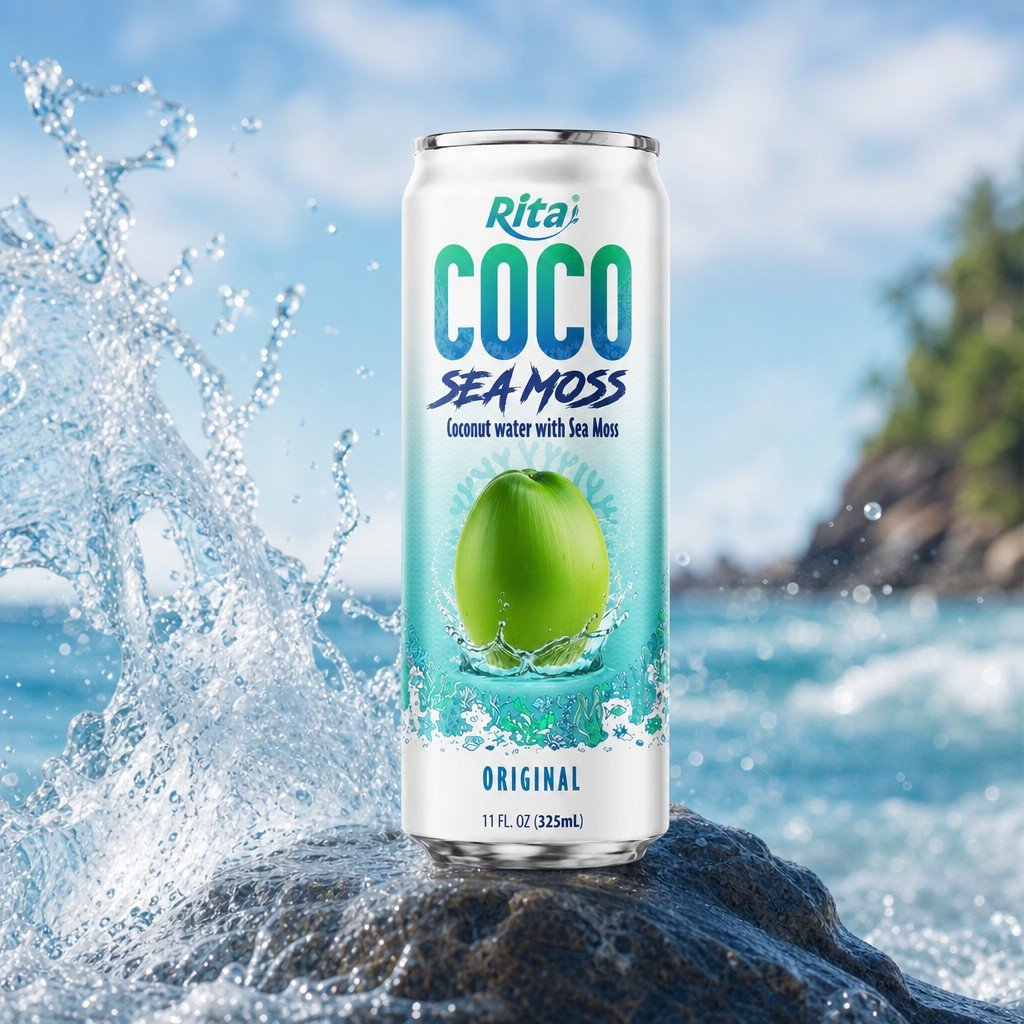
The Coco Sea Moss Coconut Water occupies a unique niche at the intersection of these two trends. Its 325ml sleek can format is ideal for single-serve retail and foodservice channels. For brands looking to enter or expand in this category, RITA’s coconut products catalog offers a wide range of formulations, including blends with sea moss, aloe vera, and tropical fruits. The company’s ability to customize sweetness levels, flavor profiles, and packaging graphics makes it a preferred partner for private label and licensed brands.
OEM/ODM Partnership with RITA: Scalable Sustainability
For beverage brands seeking to launch sustainable products without building their own manufacturing infrastructure, OEM/ODM partnerships offer a fast and cost-effective route. RITA Food and Drink Co., Ltd. has been a trusted OEM manufacturer since 2004, exporting to over 180 countries with a monthly capacity of 1,200 containers. The company operates 50+ automated production lines, including dedicated lines for aluminum cans, PET bottles, and glass bottles. All facilities adhere to international certifications such as BRC, FSSC 22000, Halal (Jakim & HCA-GCC), Kosher, ISO, GMP, HACCP, and SMETA.
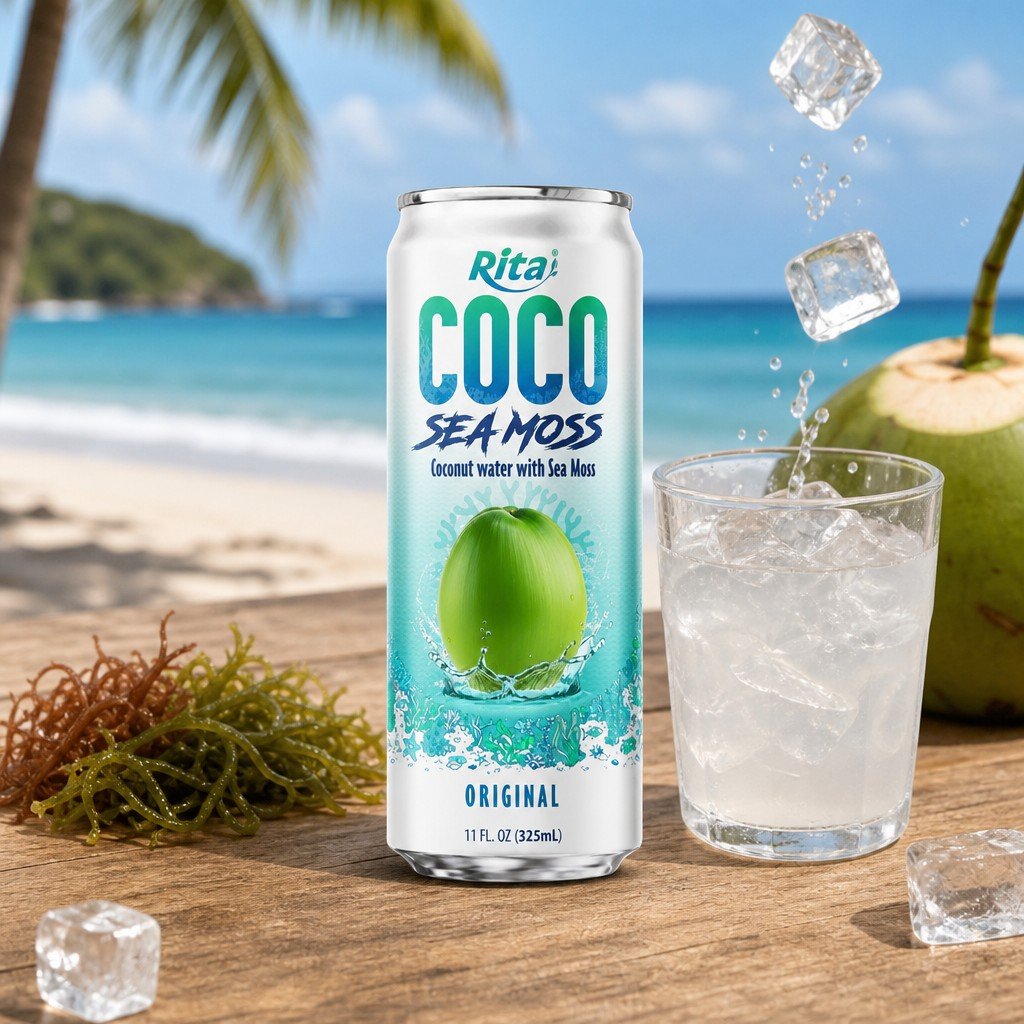
RITA’s OEM service covers every step from concept to delivery: R&D formulation, ingredient sourcing, packaging design, production, and logistics. The company’s R&D team can develop custom formulations that incorporate sea moss, coconut water, or any other natural ingredient while maintaining cost efficiency. By leveraging RITA’s scale, brands can achieve sustainability goals without compromising on margins. The 325ml sleek can of Coco Sea Moss Coconut Water is a testament to how OEM partnerships can bring eco-friendly innovations to market rapidly.
Frequently Asked Questions
1. Is the Coco Sea Moss Coconut Water can recyclable?
Yes, the 325ml sleek can is made of aluminum, which is 100% recyclable and can be recycled indefinitely without loss of quality.
2. What are the main ingredients in this beverage?
The drink contains coconut water and sea moss extract. No artificial colors or preservatives are added, and the flavor is naturally smooth with a subtle oceanic note from the sea moss.
3. Can I customize the label and formulation for my brand?
Absolutely. RITA offers full OEM/ODM services, including custom flavor profiles, sweetness levels, packaging design, and private labeling. Minimum order quantity is 500 cartons.
4. What certifications does RITA hold for this product?
The product is manufactured under BRC, FSSC 22000, Halal (Jakim & HCA-GCC), Kosher, ISO, GMP, HACCP, and SMETA certified facilities.
5. How does RITA ensure sustainable sourcing of coconut water?
RITA sources coconuts directly from partner farms in Ben Tre province, Vietnam, using sustainable agricultural practices that minimize environmental impact and support local communities.
Related news items:
Newer news items:
- Pineapple Drink With Nata De Coco Sees Growing Global Demand As Consumers Seek Tropical Refreshment - 17/09/2026 06:22
- Sustainable Sipping: RITA's COCO JUS Blends Coconut and Watermelon for Global Markets - 17/09/2026 04:57
- Coconut Water and Chocolate Flavor – The Next Big Thing in Beverages - 10/09/2026 07:26
- Protein-Powered Hydration: How Low Sugar Blueberry Drinks Are Shaping the Market - 09/09/2026 08:22
Older news items:
- Global Demand for Electrolyte-Infused Juice Drinks Grows with Consumer Focus on Hydration - 08/09/2026 09:52
- Coconut Water Blueberry Juice: Meeting Global Export Regulations - 08/09/2026 09:37
- Flavor Fusion Innovation – How Ginger Peach Milk Tea Reshapes RTD Markets - 07/09/2026 08:05
- Rita – Your Trusted Beverage Manufacturing & Supply Partner at Viet Nam International Sourcing 2026 - 05/09/2026 08:13
- Rita's Journey at Fine Food Australia 2026: Connecting & Expanding - 30/08/2026 08:45