
How Sugar-Free Cola in 330ml Cans Is Reshaping the Global Carbonated Soft Drink Market
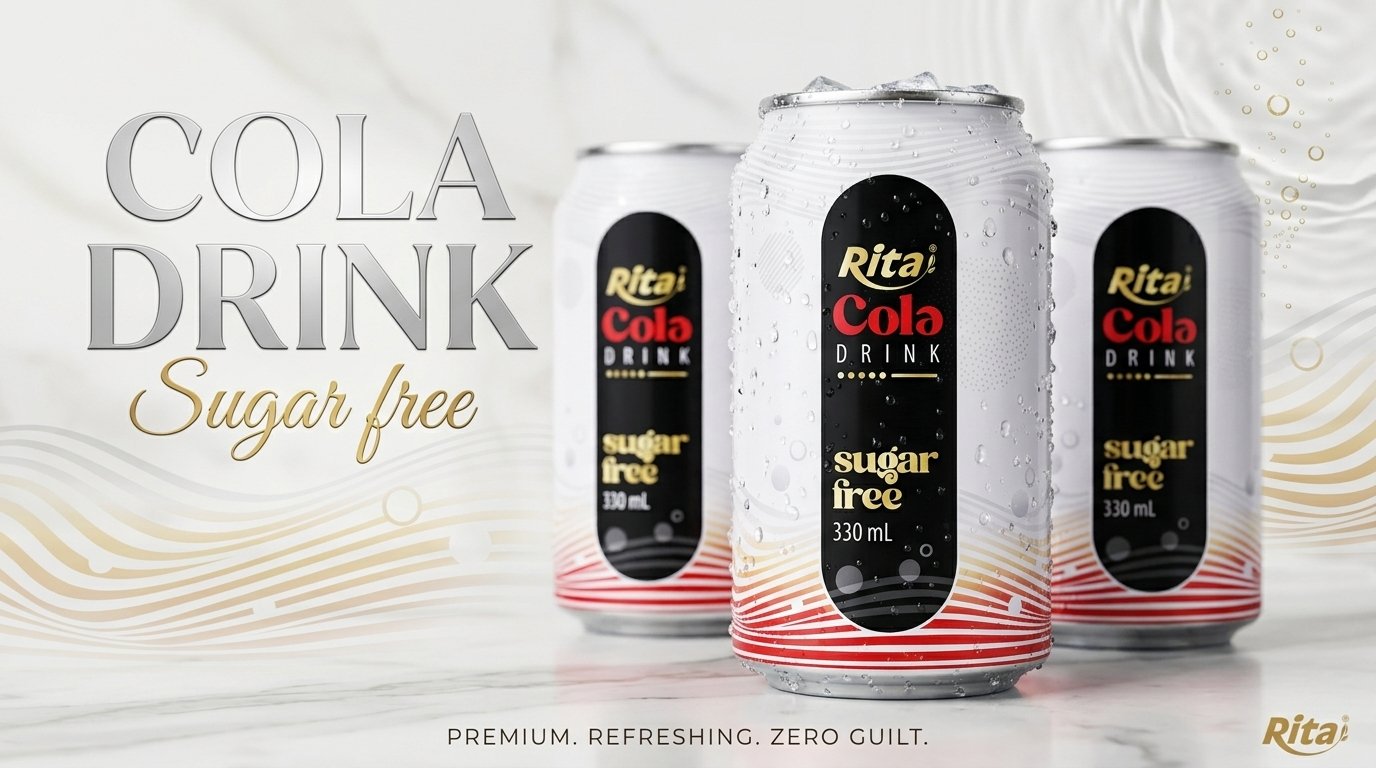
The global carbonated soft drink market is undergoing a significant transformation, driven by shifting consumer preferences toward reduced-sugar options and convenient packaging. As importers, distributors, and F&B businesses seek products that align with these trends, the demand for sugar-free cola in 330ml aluminum cans has surged. This article explores the market dynamics, consumer behavior, and business opportunities surrounding this product category, using the sugar-free cola drink carbonated soft drink 330ml can as a reference point for understanding how manufacturers are meeting global demand.
Key Takeaways
- The sugar-free cola segment is growing rapidly due to health-conscious consumer trends and regulatory pressures on sugar content.
- Aluminum cans, especially the 330ml format, dominate the on-the-go and Horeca channels for their portability and sustainability.
- Export-ready production, as seen with the sugar-free cola drink carbonated soft drink 330ml can, requires certifications like ISO, HACCP, and HALAL to access diverse markets.
- Private label and OEM solutions enable distributors to customize sugar-free cola products for local tastes without heavy upfront investment.
- Supply chain efficiency, including timely delivery and flexible MOQ, is critical for wholesalers entering competitive markets.
Market Trends Driving the Sugar-Free Cola Revolution
Consumer awareness around sugar consumption has never been higher. Governments worldwide are implementing sugar taxes and labeling requirements, pushing beverage companies to reformulate their products. This regulatory landscape, combined with a cultural shift toward wellness, has created a booming market for sugar-free alternatives.
According to industry reports, the global sugar-free soft drink market is projected to grow at a compound annual growth rate (CAGR) of over 7% through 2030. Cola, being the most popular flavor in the carbonated segment, leads this transition. The 330ml can size has emerged as a preferred SKU for retailers and foodservice operators because it balances single-serve convenience with cost efficiency.
For businesses looking to capitalize on this trend, understanding the production and export ecosystem is essential. Manufacturers like RITA Food & Drink Co., Ltd have invested in scalable production lines and international certifications to supply sugar-free cola to over 200 countries. Their sugar-free cola drink carbonated soft drink 330ml can exemplifies how Vietnamese producers are leveraging tropical sourcing and advanced manufacturing to compete globally.

Consumer Behavior and the Rise of the 330ml Can
Modern consumers prioritize portion control and portability. The 330ml aluminum can fits perfectly into this lifestyle. It is small enough to be consumed in one sitting, reducing waste, and large enough to satisfy thirst without overconsumption. Additionally, aluminum cans are infinitely recyclable, appealing to eco-conscious buyers.
In the Horeca sector, hotels, restaurants, and cafes prefer 330ml cans for their easy storage, quick chilling, and brand presentation. A sugar-free cola in this format allows these establishments to offer a guilt-free indulgence, aligning with menu trends that emphasize lighter options.
Retailers, too, benefit from the 330ml can's shelf appeal. Its compact size enables better facings on shelves, and the lack of sugar means a longer shelf life without flavor degradation. The product’s 24-month shelf life, as specified in the product details, ensures minimal inventory risk for distributors.
Export Opportunities and Certification Requirements
Exporting sugar-free carbonated drinks requires compliance with diverse international standards. The product in question holds certifications such as ISO, HACCP, HALAL, FSSC, BRC, and GMP. These credentials are non-negotiable for entering markets like the Middle East, Europe, and North America, where food safety and religious compliance are paramount.
Vietnam has become a key manufacturing hub for beverages due to its abundant raw materials and competitive labor costs. RITA, for instance, operates over 20 production lines with a capacity of 1,200 containers per month. This scale allows them to offer competitive FOB pricing while maintaining consistent quality. For importers, partnering with a certified manufacturer reduces the time and cost of market entry.
The sugar-free cola drink carbonated soft drink 330ml can is a prime example of a product designed for global distribution. Its MOQ of 500 cartons makes it accessible for mid-sized wholesalers, while the supply ability of 600 twenty-foot containers per month ensures scalability for large orders.
Distribution Strategies for Sugar-Free Cola
Successful distribution of sugar-free cola involves more than just listing the product. Wholesalers and distributors must consider channel-specific strategies. In retail, the product competes with established global brands, so differentiation through private labeling or unique flavor profiles is key. For foodservice, the 330ml can is ideal for vending machines, mini-bars, and airline catering.
Another emerging channel is direct-to-consumer (D2C) e-commerce, where sugar-free cola is marketed as a lifestyle product. Social media campaigns highlighting the product’s certifications and natural ingredients can drive online sales. Distributors can leverage the manufacturer’s OEM/ODM services to create exclusive brands for these channels, as detailed on RITA's OEM service page.
Payment terms like L/C and T/T offer flexibility for international buyers, while the delivery time of 20–25 days after order confirmation ensures supply chain reliability. These factors make the product a low-risk entry for new importers.
The Role of Private Label in the Sugar-Free Cola Market
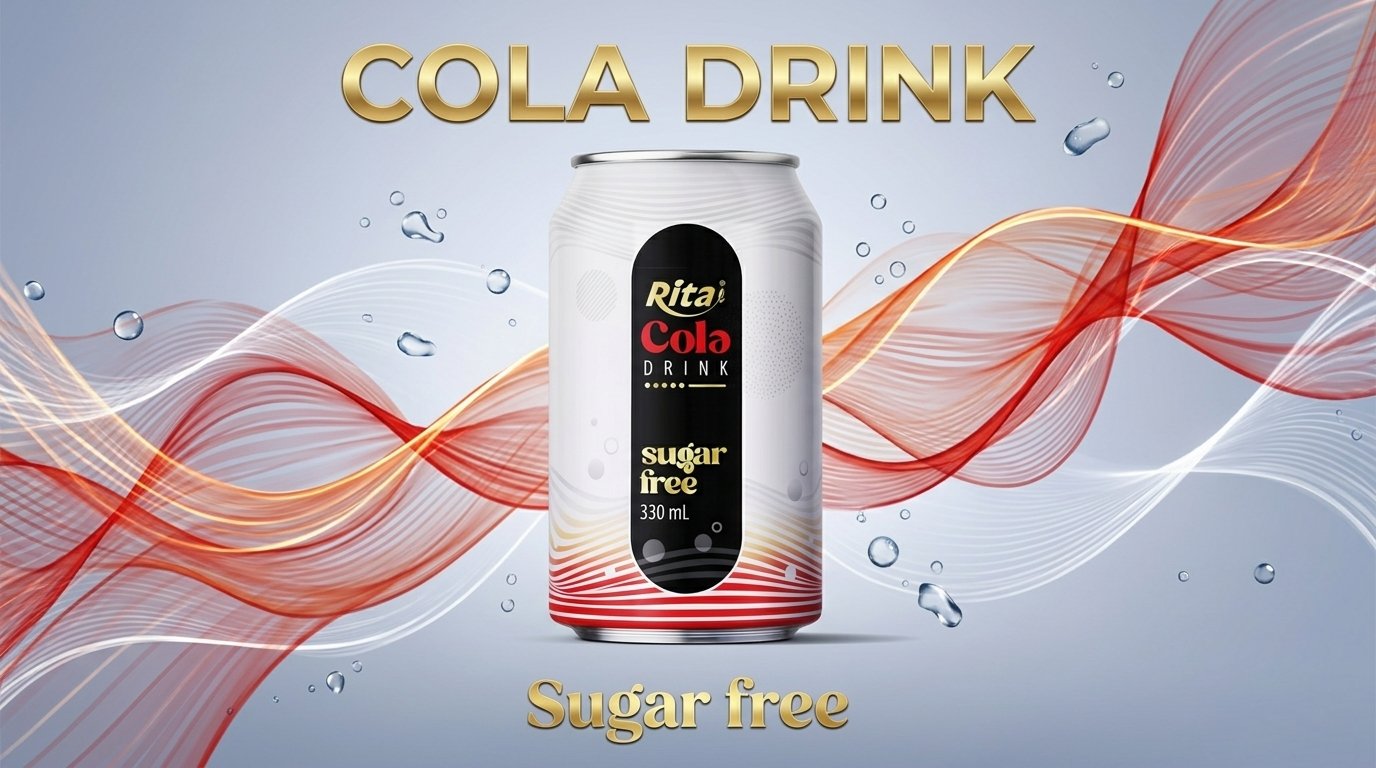
Private labeling is a powerful tool for distributors looking to build brand equity without manufacturing overhead. The sugar-free cola segment is particularly suited for private label because it allows customization of sweetness, carbonation level, and packaging design. Manufacturers like RITA offer full ODM services, from concept to production, as seen on their ODM service page.
For example, a distributor targeting the European market might request a formulation with reduced caffeine or added natural flavors, while a Middle Eastern partner may prioritize HALAL certification and date-sweetened options. The 330ml can is versatile enough to accommodate these variations without altering the packaging line.
This approach reduces time-to-market and allows businesses to test different markets with minimal risk. The product’s FOB price being available on request further enables competitive pricing strategies.
Supply Chain and Logistics Considerations
Efficient logistics are critical for perishable goods like beverages. The product’s 24-month shelf life provides a comfortable window for sea freight, even to distant markets like Europe or the Americas. Port of loading is Ho Chi Minh Port, Vietnam, a major hub with frequent sailings to all continents.
Manufacturers with high supply ability can guarantee consistent replenishment, avoiding stockouts during peak seasons. For example, RITA’s capacity of 600 twenty-foot containers per month for this product ensures that even during high-demand periods like summer, orders are fulfilled on time.
Distributors should also consider the packaging format. The aluminum can is lightweight and stackable, reducing shipping costs per unit. This cost advantage can be passed down the supply chain, making the product more competitive at retail.
Future Outlook for Sugar-Free Carbonated Drinks
The trajectory for sugar-free cola remains upward. As more countries implement sugar taxes and as younger generations prioritize wellness, the category will continue to expand. Innovations in natural sweeteners and flavor enhancements will further drive adoption.
For businesses, the key is to align with manufacturers that offer certifications, scalability, and customization. The sugar-free cola drink carbonated soft drink 330ml can represents a strategic product for any distributor looking to enter or expand in this space. Its compliance with international standards and flexible order terms make it a practical choice for both new and experienced importers.
Frequently Asked Questions
1. What certifications are required for importing sugar-free cola?
Common certifications include ISO, HACCP, HALAL, FSSC, BRC, and GMP. These ensure food safety, quality, and compliance with regional regulations. The product in question holds all these certifications, simplifying market entry.
2. What is the typical MOQ for a sugar-free cola in 330ml cans?
The MOQ is often set at 500 cartons, which is manageable for mid-sized wholesalers. This allows for testing new markets without excessive inventory commitment.
3. How long does delivery take after ordering?
Delivery time is typically 20–25 days after order confirmation, depending on production schedule and shipping route. This ensures timely supply for seasonal demand.
4. Can the product be customized under a private label?
Yes, manufacturers offer OEM/ODM services, including custom formulation, branding, and packaging design. This is ideal for distributors wanting to build their own brand.
5. What is the shelf life of sugar-free cola in a 330ml can?
The shelf life is 24 months, which is standard for carbonated soft drinks in aluminum cans. This provides ample time for storage and distribution.
Newer news items:
- Carbonated Coconut Water Market Trends Driving Global Beverage Innovation - 23/04/2026 10:07
- How Carbonated Energy Drinks in Cans Are Shaping Global Beverage Export Trends - 23/04/2026 09:51
- Exploring the Global Demand for Coco Energy Carbonated Drink Apple Flavor 250ml Can in the Beverage Industry - 23/04/2026 09:45
- Energy Drink Market Trends 2025: Opportunities for Mango Flavored Carbonated Beverages in Global Trade - 23/04/2026 09:44
- Natural Date Cola Drives Innovation in Carbonated Beverage Market - 23/04/2026 09:39
Older news items:
- Global Energy Drink Market Trends and the Rise of Mango Flavored Carbonated Beverages in 250ml Cans - 23/04/2026 09:29
- The Rise of Natural Extract Carbonated Beverages in Global Soft Drink Markets - 23/04/2026 09:23
- Sugar-Free Cola in Global Markets: How Private Label Beverage Manufacturers Are Driving the No-Sugar Soda Shift - 23/04/2026 09:17
- The Growing Appeal of Blackcurrant and Nata De Coco Drinks in Global Beverage Markets - 23/04/2026 08:32
- The Rise of Textured Beverages and Nata de Coco Drives Global F&B Innovation - 23/04/2026 08:26