
Energy Drink Market Trends 2025: Opportunities for Mango Flavored Carbonated Beverages in Global Trade
The global beverage industry is undergoing a significant transformation, with consumer preferences shifting towards unique flavor profiles and functional refreshment. Among the most dynamic segments is the carbonated energy drink market, which continues to expand at a robust pace. As we move through 2025, one particular variant gaining traction is the mango flavored carbonated energy drink, a product that successfully combines the tropical appeal of mango with the invigorating experience of a carbonated beverage. For businesses involved in energy drink market trends, understanding the nuances of this product category is essential for capitalizing on emerging opportunities.
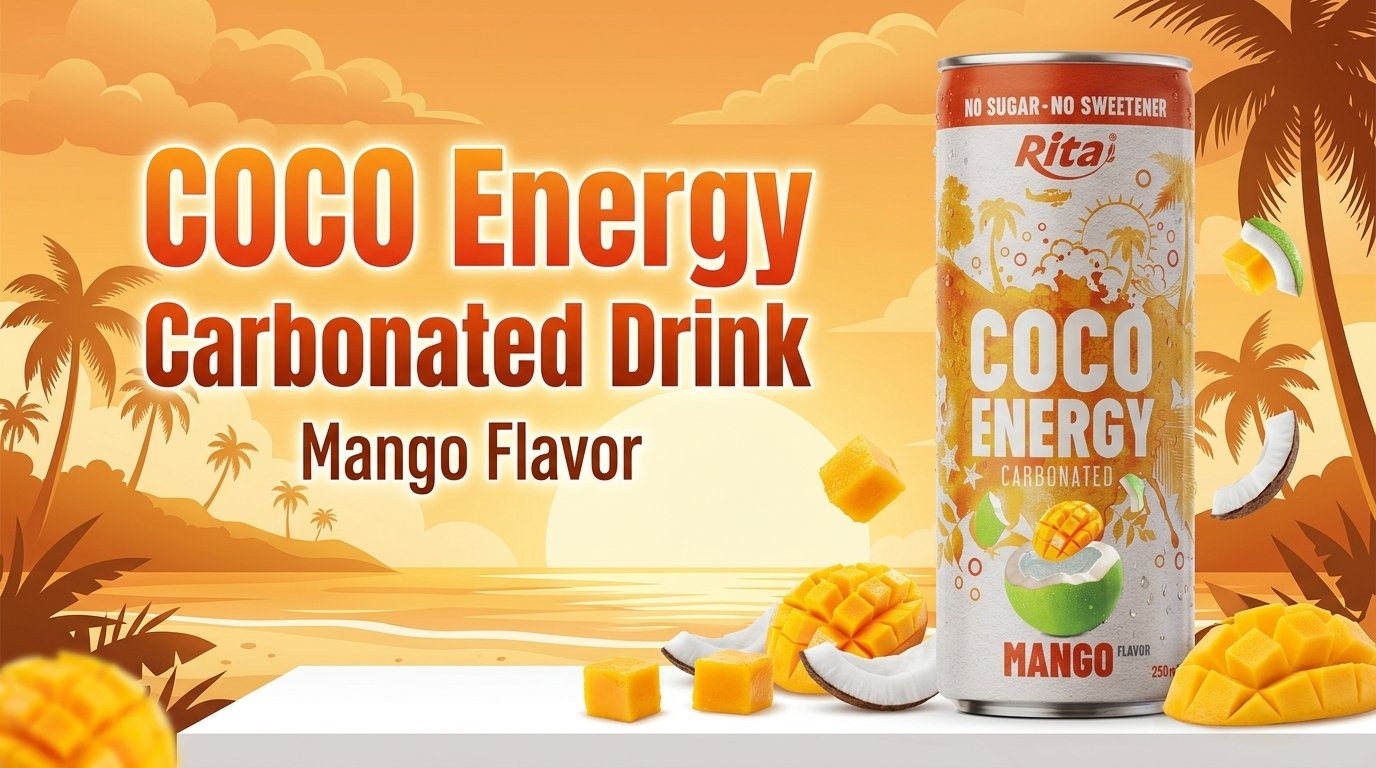
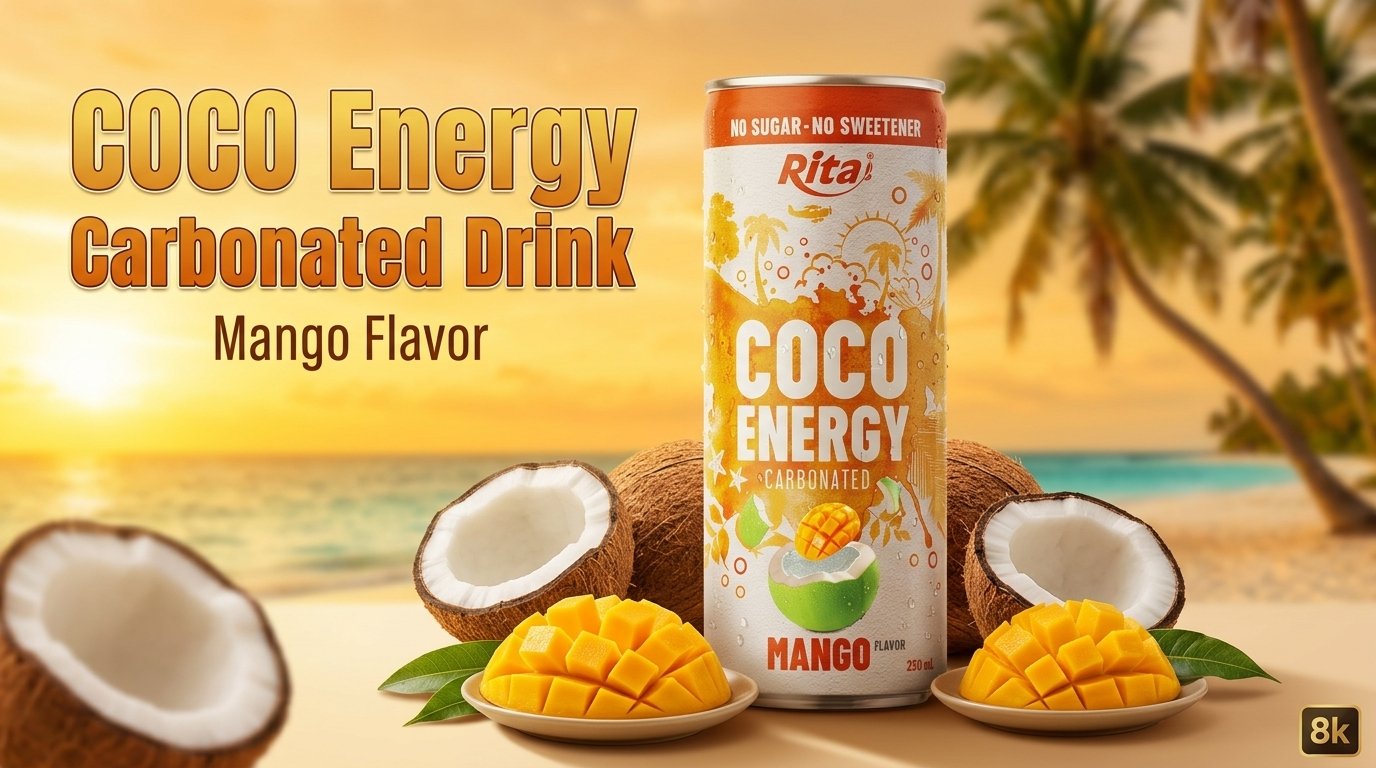
This article provides a comprehensive analysis of the current landscape, focusing on the strategic advantages of mango-flavored energy drinks in cans, such as the Coco Energy Carbonated Drink Mango Flavor 250ml Can. We will explore market drivers, consumer behavior, distribution strategies, and export opportunities, all while avoiding any health-related claims. The product serves as a market example of how OEM/ODM manufacturing can meet global demand for innovative, shelf-stable beverages.
Key Takeaways
- The energy drink market trends highlight a growing demand for tropical fruit flavors, with mango being a top choice for carbonated beverages.
- Aluminum can packaging, as seen in the 250ml format, offers logistical advantages for global export and retail distribution.
- Private label and OEM manufacturing are key strategies for distributors and wholesalers looking to enter the energy drink segment efficiently.
- Compliance with international certifications like ISO, HACCP, and HALAL is crucial for accessing diverse markets, including the Middle East and Asia.
- Scalable production capacity and flexible MOQ enable small and large-scale importers to source competitively priced products.
The Rise of Mango Flavored Energy Drinks in the Global Market
The carbonated energy drink market has traditionally been dominated by citrus and berry flavors. However, recent years have witnessed a surge in demand for tropical fruit variants, with mango emerging as a frontrunner. This shift is driven by the global popularity of mango as a versatile fruit, its natural sweetness, and its association with exotic, premium experiences. For importers and distributors, investing in mango-flavored energy drinks offers a way to differentiate their product portfolio from conventional offerings.
According to industry reports, the flavored energy drink segment is expected to grow at a compound annual growth rate (CAGR) of over 8% through 2030. Within this segment, mango-based products are capturing significant market share, particularly in regions like Asia-Pacific, the Middle East, and North America. The Coco Energy Carbonated Drink Mango Flavor 250ml Can exemplifies this trend, offering a ready-to-market solution for businesses seeking to tap into this growing demand.
Consumer Behavior and Preference for Tropical Carbonated Beverages
Modern consumers, especially millennials and Gen Z, are increasingly seeking beverages that offer a unique sensory experience. Mango flavoring provides a natural, fruity taste that appeals to a broad demographic, from young adults to older consumers looking for a refreshing alternative. The carbonation adds a layer of excitement, making the drink suitable for various occasions, including social gatherings, sports events, and on-the-go consumption.
Importers and wholesalers should note that flavor innovation is a key driver of repeat purchases. A product like the mango energy drink, with its distinctive taste profile, can command premium shelf space in retail outlets and attract a loyal customer base. Additionally, the 250ml can size is ideal for single-serve consumption, aligning with the growing trend of portion control and convenience.
Packaging and Logistics: The 250ml Aluminum Can Advantage
The choice of packaging is critical for success in the beverage export market. The Coco Energy Carbonated Drink Mango Flavor 250ml Can utilizes an aluminum can, which offers several benefits for global trade. Aluminum cans are lightweight, durable, and provide an excellent barrier against light and oxygen, ensuring a shelf life of up to 24 months. This extended shelf life is particularly advantageous for long-distance shipping and storage in diverse climates.
For businesses, the 250ml format strikes a balance between portability and value. It is a common size for energy drinks worldwide, making it easy to integrate into existing distribution channels. Moreover, aluminum cans are highly recyclable, appealing to environmentally conscious consumers and retailers. Manufacturers with scalable production capacity, such as those offering OEM service, can provide custom branding on these cans, allowing importers to establish their own brand identity.
Distribution Channels and Retail Strategies for Energy Drinks
Effective distribution is key to capturing market share in the competitive energy drink sector. Mango-flavored carbonated drinks can be positioned across multiple channels, including convenience stores, supermarkets, gas stations, and the Horeca (Hotel, Restaurant, Cafe) sector. In the Horeca channel, these beverages can be offered as standalone products or used as mixers in cocktails, expanding their utility.
For wholesalers and distributors, partnering with a reliable OEM manufacturer is a strategic move. Companies like RITA, with a supply ability of 600 twenty-foot containers per month, offer consistent quality and timely delivery. The minimum order quantity of 500 cartons (12,000 cans) makes it accessible for mid-sized importers. Payment terms such as L/C and T/T provide flexibility, while the FOB price from Ho Chi Minh Port ensures cost-effectiveness for international buyers.
Export Opportunities and Market Expansion
The global energy drink market is highly fragmented, with significant opportunities for new entrants, particularly in emerging economies. Mango-flavored energy drinks have strong potential in regions with a tropical fruit culture, such as Southeast Asia, Latin America, and parts of Africa. Additionally, the Middle East presents a lucrative market due to its young population and high consumption of energy beverages.
Exporters must ensure their products meet international standards. Certifications like ISO, HACCP, HALAL, FSSC, BRC, and GMP are essential for accessing these markets. The Coco Energy drink, with its comprehensive certification suite, is well-positioned for global distribution. The product's 24-month shelf life further enhances its suitability for export, reducing the risk of spoilage during transit. For more information on beverage export readiness, visit Energy Drinks Series.
Private Label and OEM Manufacturing: A Path to Market Entry
For many businesses, launching a proprietary energy drink brand can be capital-intensive. Private label or OEM manufacturing offers a cost-effective alternative. By partnering with an established producer, importers can leverage existing formulations, packaging, and certifications. The Coco Energy Carbonated Drink Mango Flavor 250ml Can is a prime example of a product that can be customized under a private label.
OEM services allow for adjustments in sweetness, carbonation level, and packaging design, enabling brands to tailor the product to local tastes. This flexibility is crucial for success in diverse markets. Additionally, manufacturers with strong R&D capabilities can help develop unique flavor combinations, such as mango with other tropical fruits, to further differentiate the product. For businesses interested in full-service support, exploring ODM service can provide a comprehensive solution from concept to shelf.
Supply Chain and Quality Assurance in Beverage Manufacturing
Maintaining consistent quality across large-scale production is a challenge in the beverage industry. Manufacturers must implement rigorous quality control measures at every stage, from raw material sourcing to final packaging. For mango-flavored energy drinks, the quality of the mango concentrate or flavoring is paramount. Sourcing from trusted farms, as done by leading Vietnamese manufacturers, ensures a consistent taste profile.
Certifications like HACCP and BRC provide assurance to importers that the production facility adheres to international food safety standards. The product's 24-month shelf life is a testament to the effectiveness of these quality systems. For distributors, this reliability translates into lower return rates and higher customer satisfaction. The supply chain capabilities, including a delivery time of 20-25 days after order confirmation, enable just-in-time inventory management for buyers.
Future Outlook and Strategic Recommendations
The energy drink market trends indicate a continued shift towards flavor innovation and premiumization. Mango-flavored carbonated energy drinks are well-positioned to capture a significant share of this growth. For importers and distributors, the key to success lies in selecting a manufacturing partner with proven export experience, scalable capacity, and a commitment to quality.
Strategic recommendations include focusing on markets with high mango consumption, such as India and Southeast Asia, while also exploring opportunities in the Middle East and Africa. Investing in eye-catching can designs and leveraging social media marketing can help build brand awareness. Additionally, offering the product in multi-pack formats (e.g., 4-packs or 12-packs) can increase average order value and encourage trial.
Frequently Asked Questions
What are the key energy drink market trends for 2025?
Key trends include the rise of tropical fruit flavors like mango, increased demand for carbonated beverages in aluminum cans, and growth in private label manufacturing. Consumers are seeking unique taste experiences and convenient packaging formats.
Why is mango flavor popular in carbonated energy drinks?
Mango flavor offers a natural sweetness and exotic appeal that differentiates products from traditional citrus or berry flavors. It appeals to a wide demographic, including younger consumers, and pairs well with carbonation for a refreshing experience.
What are the advantages of a 250ml aluminum can for export?
The 250ml aluminum can is lightweight, durable, and provides excellent protection against light and oxygen, ensuring a 24-month shelf life. It is a standard size for global distribution, easy to stack, and highly recyclable, meeting logistical and environmental requirements.
What certifications should I look for when sourcing an energy drink?
Essential certifications include ISO, HACCP, HALAL, FSSC, BRC, and GMP. These ensure the product meets international food safety and quality standards, which is critical for market access in regions like the Middle East, Europe, and North America.
How can I start a private label energy drink brand?
Partner with an OEM manufacturer that offers custom formulation, packaging design, and certification support. Choose a product like a mango-flavored energy drink in a 250ml can, which has proven market appeal. Ensure the manufacturer has scalable capacity and flexible MOQ to match your business size.
Newer news items:
- Rita Is Ready For THAIFEX 2026: Shaping The Next-Generation Beverage Map Of The Global Market - 05/06/2026 09:12
- Celebrating International Children’s Day with Rita Drinks - 05/06/2026 08:51
- Carbonated Coconut Water Market Trends Driving Global Beverage Innovation - 23/04/2026 10:07
- How Carbonated Energy Drinks in Cans Are Shaping Global Beverage Export Trends - 23/04/2026 09:51
- Exploring the Global Demand for Coco Energy Carbonated Drink Apple Flavor 250ml Can in the Beverage Industry - 23/04/2026 09:45
Older news items:
- Natural Date Cola Drives Innovation in Carbonated Beverage Market - 23/04/2026 09:39
- How Sugar-Free Cola in 330ml Cans Is Reshaping the Global Carbonated Soft Drink Market - 23/04/2026 09:33
- Global Energy Drink Market Trends and the Rise of Mango Flavored Carbonated Beverages in 250ml Cans - 23/04/2026 09:29
- The Rise of Natural Extract Carbonated Beverages in Global Soft Drink Markets - 23/04/2026 09:23
- Sugar-Free Cola in Global Markets: How Private Label Beverage Manufacturers Are Driving the No-Sugar Soda Shift - 23/04/2026 09:17